New draft recommendations on vitamin and mineral supplement use were published this week by the
U.S. Preventive Services Task Force. The recommendations apply only to healthy adults
without nutritional deficiencies. They focus only on the use of supplements for the
prevention of cardiovascular disease and cancer at doses not exceeding tolerable upper intake levels. The recommendations are based on existing science and are generally consistent with information already presented in ConsumerLab.com's Product Reviews. We have summarized the recommendations below, with links to more information in ConsumerLab.com's reports:
-
Beta-Carotene and
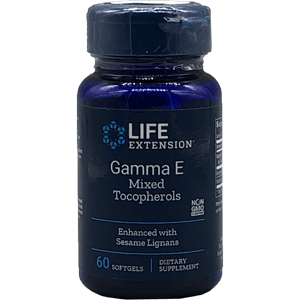
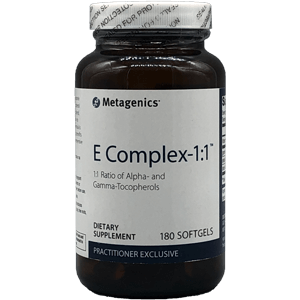
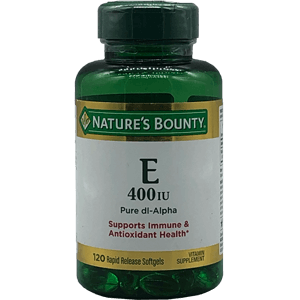
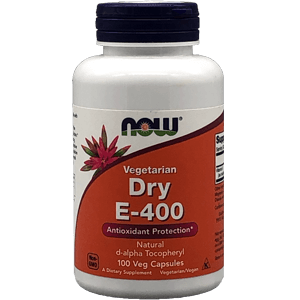
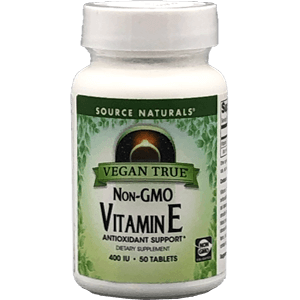
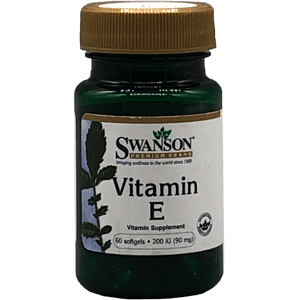
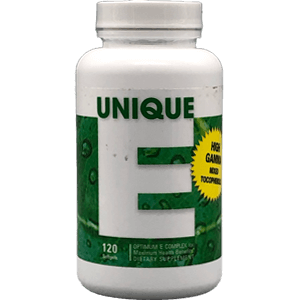
Vitamin E: Supplementation with either does not provide a benefit. Vitamin E does not pose a risk of harm, but beta-carotene increases the risk of lung cancer in people at risk for lung cancer.
- Other Single Vitamins, Minerals, Pairs, and
Multivitamins: There is inadequate evidence regarding a benefit or a risk of harm.
The task force stressed that at
excessive doses (above tolerable upper intake levels) there is evidence of harm with supplementation, such as with
vitamin A and
vitamin D.