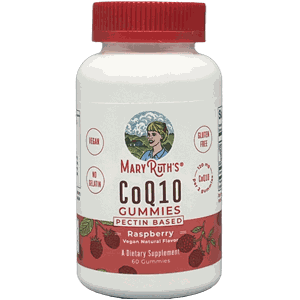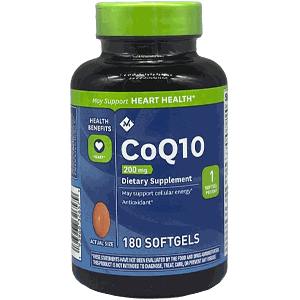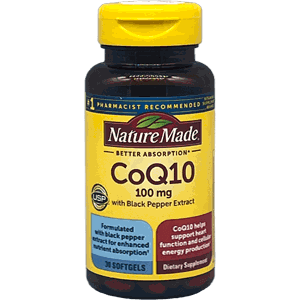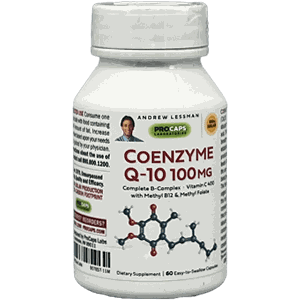












Summary
-
What does CoQ10 do?
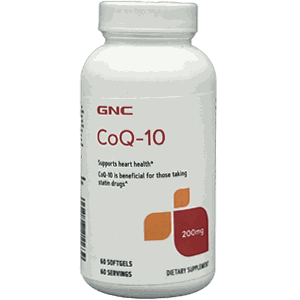
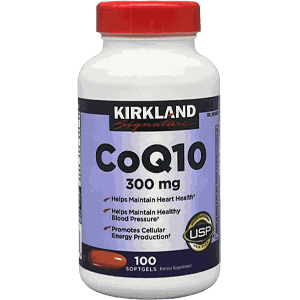
People often take CoQ10 to offset a decline in natural levels of CoQ10 that occurs with the use of statin (cholesterol-lowering) medication (although it remains uncertain if CoQ10 reduces side effects of statins). It may also benefit people with congestive heart failure. CoQ10 may modestly lower elevated cholesterol levels, reduce migraine, and improve energy levels, although the evidence for these uses remains preliminary or mixed (see What It Does). There is little evidence that CoQ10 lowers homocysteine levels.
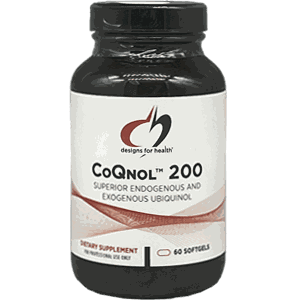
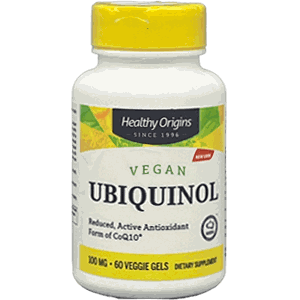
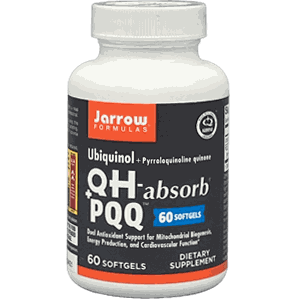
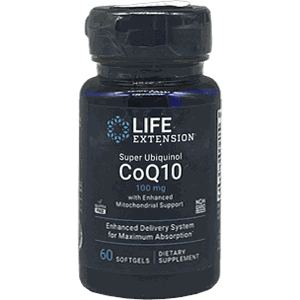
Most of the CoQ10 in supplements is naturally produced by fermentation. After being absorbed into the body, more than 90% of CoQ10 is converted to its active form, known as ubiquinol (CoQH2-10), which is also available as a supplement (such as QH from Kaneka) and appears to have greater bioavailability (i.e., it raises blood levels more) (see What It Is). "Nano" formulations of CoQ10 that claim to have better absorption are also available, though the evidence for this is not strong. -
How to take CoQ10?
CoQ10 and ubiquinol are typically taken at a dose of 50 to 300 mg per day, although higher doses have been used (see Dosage). Generally, CoQ10 and ubiquinol are best absorbed when taken with or shortly after a fatty meal, although water-soluble forms can be taken without fats (see Absorption and Bioavailability Enhancers). It's best to divide doses of 100 mg or more into several smaller doses, taken throughout the day. -
What did CL's tests of CoQ10 show?
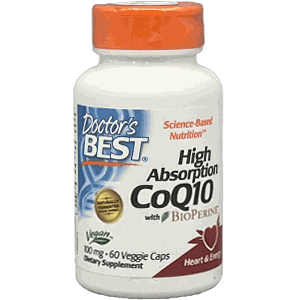
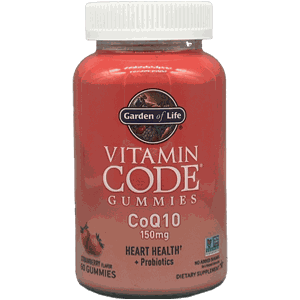
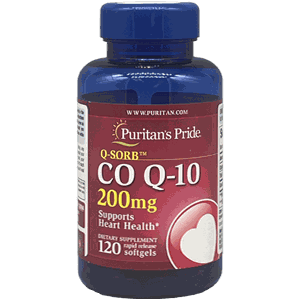
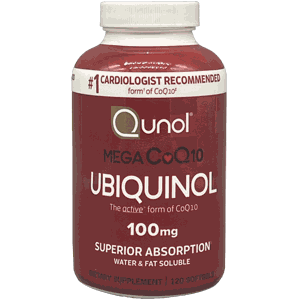
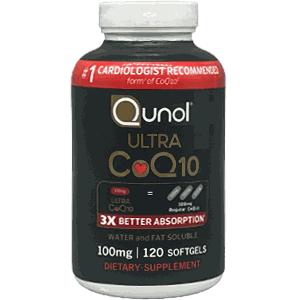
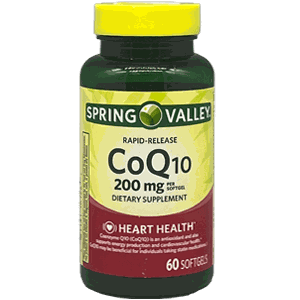
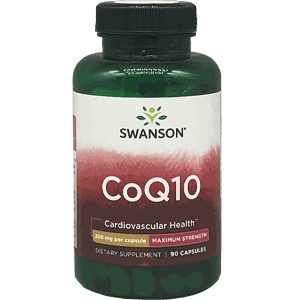
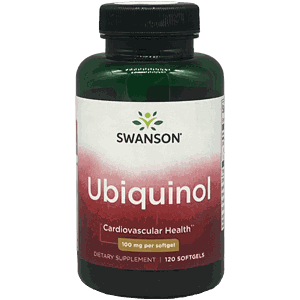
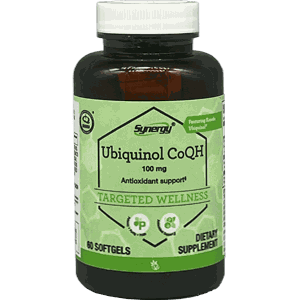
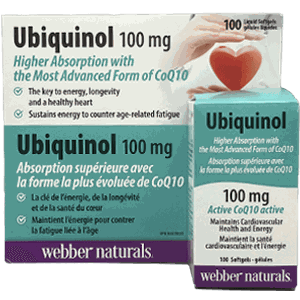
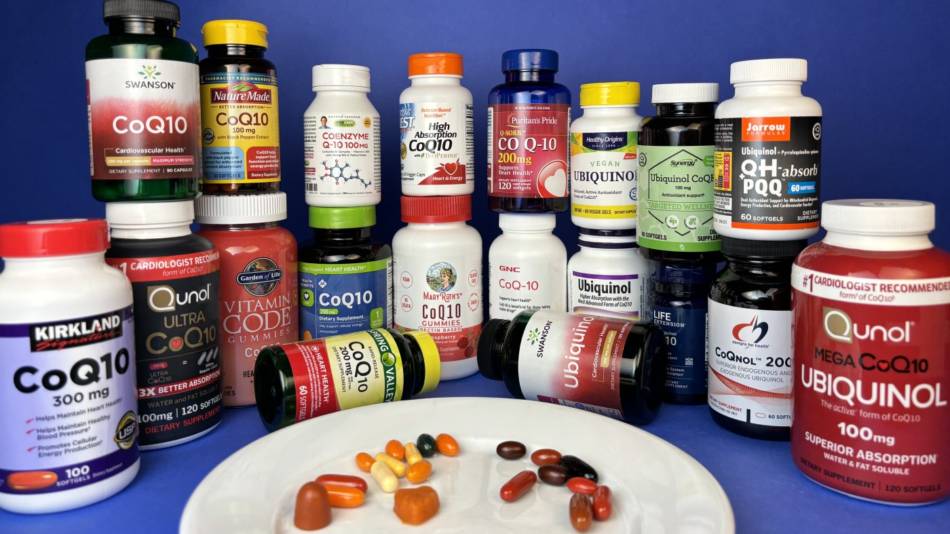
In laboratory testing, all of the products ConsumerLab purchased for this Review were found to provide their listed amounts of CoQ10 or ubiquinol. Cost comparisons, based on a 100 mg dose, showed you could spend as little as 5 cents to as much as 70 cents for an equivalent amount of CoQ10, and from 25 cents to $1.29 for ubiquinol (see What CL Found). 
Best CoQ10 supplement?
Among 20 CL Approved products, CL selected Top Picks for regular CoQ10 and ubiquinol, as well as for bioavailability-enhanced CoQ10 and ubiquinol, with each providing high quality CoQ10 or ubiquinol at exceptional value.-
CoQ10 safety and side effects:
At typical doses, CoQ10 and ubiquinol appear to be generally safe, even when taken daily for several years. Gastrointestinal side effects may occur but can be minimized by breaking up the dose throughout the day, although it may interfere with sleep if taken before bed. CoQ10 may interact with certain drugs, including blood thinners and diabetes medications (see Concerns and Cautions).