




Quick Summary
-
What does GABA do and do supplements work?
GABA (gamma-aminobutyric acid) is a natural "inhibitory neurotransmitter," meaning it blocks impulses between the nerve cells, resulting in a calming effect. Many medications for insomnia, stress and anxiety, epilepsy, and other conditions work by affecting GABA activity. However, taking GABA as supplement does not significantly increase GABA levels in the brain and has not been shown to provide much benefit for epilepsy, insomnia or stress, or cognitive performance, and the effects, if any, are temporary. GABA also affects processes that control blood pressure and muscle mass, so it has been evaluated for hypertension and muscle building (see What It Does).
-
What dose of GABA is used?
In clinical trials, GABA has typically been taken at a dose of 100 to 800 mg per day, although higher and lower doses have been used (see Dosage).
-
What did CL's tests and review of GABA supplements show?
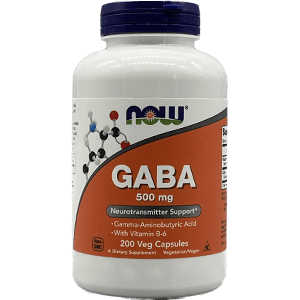
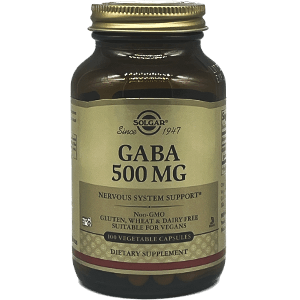
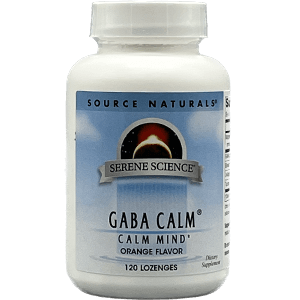
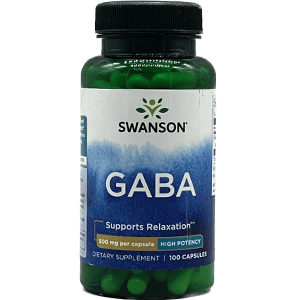
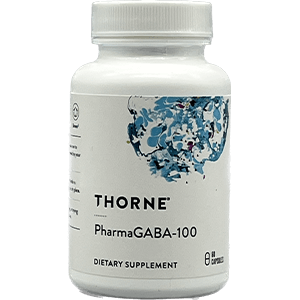
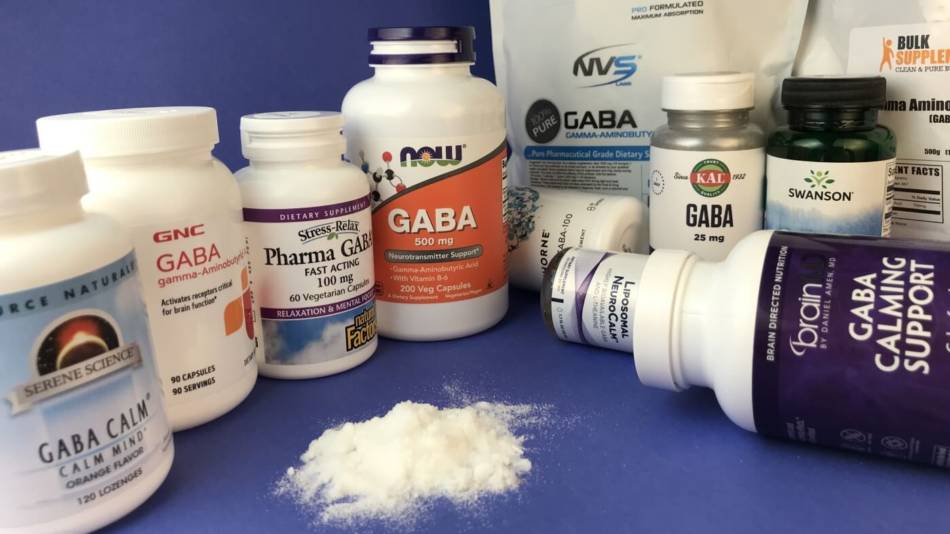
In laboratory testing, all of the products were shown to provide their listed amounts of GABA without any significant contamination with heavy metals, such as lead. However, the cost to obtain 250 mg of GABA ranged widely, from just 1 cent to $1.60, although higher cost does not mean higher quality or, necessarily, higher likelihood of benefit (see What CL Found and How Products Were Evaluated).
What is the best GABA supplement?
Among 11 CL Approved products, CL selected Top Picks for low, medium, high, and very high-dose GABA, representing good quality and value.
-
How to take GABA?
GABA should be taken with water and need not be taken with food. As any therapeutic effects appear to be temporary, take within one hour of expected benefit. As GABA may directly irritate the throat if taken as a liquid at high dosage, capsules may be preferred to dissolving tablets, liquids, and powders stirred in liquids (see ConsumerTips: How to Take).
-
GABA safety and side effects:
At doses of 300 mg or more, mild side effects, such as abdominal discomfort, headache and drowsiness, have been reported. As GABA may lower blood pressure, it may be unsafe to use with blood pressure-lowering drugs. The long-term safety of GABA supplements remains uncertain (see Concerns and Cautions).
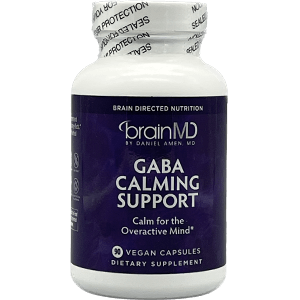
Products tested in 2023
+— 24 sources
In addition the results of its expert testing, ConsumerLab uses only high-quality, evidence based, information sources. These sources include peer-reviewed studies and information from agencies such as the FDA and USDA, and the National Academy of Medicine. On evolving topics, studies from pre-print journals may be sourced. All of our content is reviewed by medical doctors and doctoral-level experts in pharmacology, toxicology, and chemistry. We continually update and medically review our information to keep our content trustworthy, accurate, and reliable. The following sources are referenced in this article:
- Abdou, Biofactors 2006
- Aggarwal, J Neurogastroenterol Motil 2018
- Boonstra, Front Psychol 2015
- Byun, J Clin Neurol 2018
- Guimarães, J Diet Suppl 2024
- Hepsomali, Front Neurosci 2020
- Inoue, Eur J Clin Nutr 2003
- Lambiase, Nutrients 2026
- Leonte, Brain Cogn 2018
- Lim, J Clin Med 2021
- Murari, Cerebral Cortex Comm 2020
- Natural Health Products Ingredients Database, Health Canada, 2021
- Petroff, Ann Neurol 1996
- Pires, Clin Nutr ESPEN 2025
- Powers, Med Sci Sports Exerc 2008
- Sakashita, J Clin Med Res 2019
- Shimada, Clin Exp Hypertens 2009
- Steenbergen, Sci Rep 2015
- Trindade, J Nutr Physiol 2026
- Winkelman, Sleep Med 2014
- Yamatsu, Food Sci Biotechnol 2016
- Yoto, Amino Acids 2012
- Bhagwagar, Am J Psychiatry 2004
- Sanacora, Am J Psychiatry 2002
You must be a member to get the full test results along with ConsumerLab.com recommendations and quality ratings. You will get results for 10 GABA (gamma-aminobutyric acid) supplements selected for testing by ConsumerLab.com, as well as two other products that are included for having passed the same testing through ConsumerLab's voluntary Quality Certification Program.
In this comprehensive review, you'll discover:
What GABA (gamma-aminobutyric acid) is and whether GABA supplements provide any health benefits Which GABA supplements passed or failed ConsumerLab's tests of quality ConsumerLab's Top Picks for low, moderate, and high-dose GABA supplements based on quality, value, and for powders and liquids, taste The clinical evidence for and against GABA supplements for lowering blood pressure, reducing stress, improving sleep, and improving memory and cognition
The difference between "biosynthetic" and "synthetic GABA, and information about branded GABA ingredients such as PharmaGABA (Pharma Foods International Japan) The best way to take GABA supplements Foods that may contain GABA Safety and potential side effects and drug interactions with GABA (gamma-aminobutyric acid) supplements
As a ConsumerLab.com member, you may print a copy of this report for your personal use.
You can access a special print version by clicking the "Print" icon in the upper right corner of this report.
You can then use your web browser's print functions to print the whole report or just selected pages.
You may also email or post a link to this report using the web address above.
Non-members using the link will see a free summary and can join to view the full report.
Other means of copying or distributing this report, in part or full, are not permitted.
If you are sight-impaired and your computer is having trouble converting the text in this report to speech,
contact us for assistance at [email protected] or by
phone at 914-722-9149.
The "Latest Update" date indicates when new clinical or product information was most recently added. In the full review (available to CL members), the newest information is highlighted in yellow and, if a new product is added, it is footnoted in the results table, showing the date added to the review. The year(s) when testing was completed for the products in the review appears at the end of the Summary section.
|