Quick Summary
-
What are alginates?
Alginates are edible compounds derived from brown algae. When exposed to liquids, alginates become gels and expand. In supplements, foods, and drugs, the most common forms of alginates are aliginic acid and sodium alginate (see What It Is).
-
Are alginates effective in treating gastroesophageal reflux disease (GERD)?
Alginates have been clinically shown to be more effective than antacids in treating symptoms of GERD (gastrointestinal esophageal reflux disease) such as heartburn (acid in the esophagus), regurgitation, and indigestion. Alginates appear to work by forming a floating physical gel barrier that protects the upper part of the stomach and lower esophagus (see What It Does).
Be aware that some supplements may worsen symptoms of reflux.
-
What did ConsumerLab's tests of alginate products show?
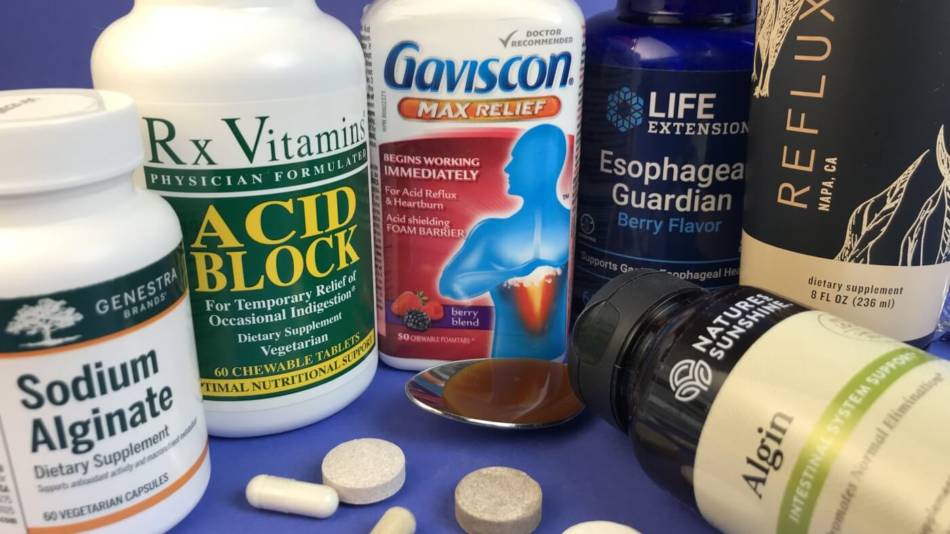
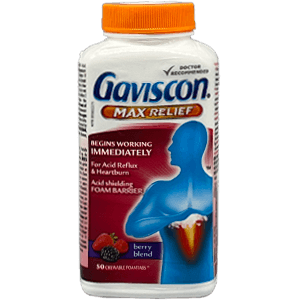
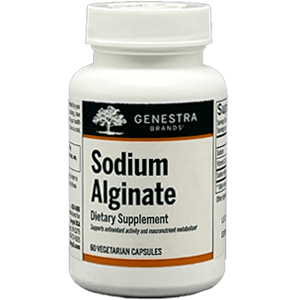
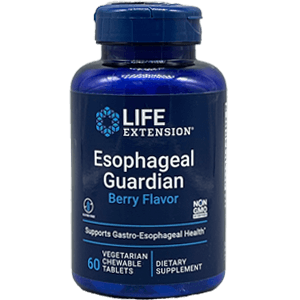
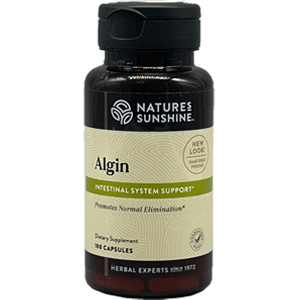
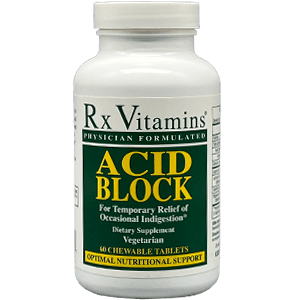
ConsumerLab tested alginate supplements (including chews, capsules, and a liquid gel) to determine if they actually contained their claimed alginates and were not contaminated with excessive amounts of heavy metals (lead, cadmium, and arsenic).
Although all products were found to contain the types of alginates they listed, one slightly exceeded a strict limit on lead contamination - possibly due to other ingredients in the product (see What CL Found and How Products Were Evaluated).
Interestingly, ConsumerLab found that the cost to get a significant dose of alginate (500 mg of alginic acid) ranged from 35 cents to nearly 5 times as much -- $1.61.
Which are the best alginate supplements?
Among products that were Approved for quality in CL's tests, CL selected two Top Picks -- one that provides only alginate and another that is an alginate/antacid combination. These products were high in quality, relatively low in cost, provided a substantial dose of alginate along with a sensible daily use recommendations, and were among the most pleasant to take in terms of taste and/or odor.-
Are there safety concerns with using alginates?
Although relatively safe, sodium alginate should be avoided if you need to limit sodium (salt) intake. Products in capsule form could be potentially dangerous to those who have trouble swallowing capsules. Large intake of alginates may interfere with absorption of some minerals and vitamins (see Concerns and Cautions for details).
Products tested in 2022
+— 12 sources
In addition the results of its expert testing, ConsumerLab uses only high-quality, evidence based, information sources. These sources include peer-reviewed studies and information from agencies such as the FDA and USDA, and the National Academy of Medicine. On evolving topics, studies from pre-print journals may be sourced. All of our content is reviewed by medical doctors and doctoral-level experts in pharmacology, toxicology, and chemistry. We continually update and medically review our information to keep our content trustworthy, accurate, and reliable. The following sources are referenced in this article:
- Brownlee, Crit Rev Food Sci Nutr 2005
- Leiman, Dis Esophagus 2017
- Bosscher, Nutrition 2001
- Gangemi, Int J Prosthodont 2009
- Gaviscon FAQ 2023
- Henerson, Scott Med J 1984
- Jeong, Clin Exp Allergy 2006
- Lauerma, Allergy 2001
- McCarthy, Contact Dermatitis 2018
- Nagai, Drug Res (Stuttg
- Riedl, J Nutr 1999
- Yu, Food Funct 2020
As a ConsumerLab.com member, you may print a copy of this report for your personal use.
You can access a special print version by clicking the "Print" icon in the upper right corner of this report.
You can then use your web browser's print functions to print the whole report or just selected pages.
You may also email or post a link to this report using the web address above.
Non-members using the link will see a free summary and can join to view the full report.
Other means of copying or distributing this report, in part or full, are not permitted.
If you are sight-impaired and your computer is having trouble converting the text in this report to speech,
contact us for assistance at Membership@ConsumerLab.com or by
phone at 914-722-9149.