


ConsumerLab.com uses JavaScript to provide the best possible experience for our content, but your browser has it disabled. Learn how to enable it here.
September 23, 2026
In "Can You Trust Your Supplements?" on the Dr. Plant Podcast, Dr. Joshua Plant interviewed ConsumerLab.com’s President, Tod Cooperman, M.D., and Vice President for Research, Mark Anderson, Ph.D. for a frank talk about the supplement industry and what CL has learned testing thousands of supplements and health foods.
May 28, 2026
A Guardian article (May 22, 2026) about nominee for Surgeon General, Nicole Saphier, M.D., focuses on supplements sold by her company, Drop RX. Asked to comment on two of the products, ConsumerLab.com’s President, Tod Cooperman, M.D., noted that both consist solely of proprietary blends. As a result, their labels don’t disclose the amount of any specific ingredient, which is ConsumerLab’s #1 red flag that it warns about in its list of 8 Red Flags to Watch Out For When Buying Vitamins & Supplements.
April 15, 2026

"Is ashwagandha worth the hype?" in Daily Living from Novant Health (April 13, 2026) examines ashwagandha supplements for stress, energy and sleep, as well as potential risks. In the article, internal medicine doctor Stewart Trimble, MD recommends checking ConsumerLab.com before choosing an ashwagandha supplement, or any herbal supplement, to make sure it contains what is claimed on the label. ConsumerLab’s tests show that some popular ashwagandha supplements do not contain what's promised on the label. The complete tests results are found in ConsumerLab’s Ashwagandha Supplements Review, which includes CL's Top Picks for quality and value.

April 13, 2026

"Constipation remedies that do (and don't) work" in Nutrition Action from the Center for Science in the Public Interest (March 25, 2026), explores how diet, supplements, and physical activity affect digestive health. The article highlights fiber’s essential role in preventing constipation and reports on ConsumerLab's testing of popular psyllium supplements — revealing concerning lead levels in some products. Readers are directed to ConsumerLab's Psyllium Supplements Review which details the test results and identifies our Top Picks for safer, effective options.

March 27, 2026

"Do Multivitamins Really Deliver What They Promise? Many Don't!” on The People's Pharmacy (March 26, 2026) discusses ConsumerLab.com's recent finding that nearly one-third of multivitamins did not meet quality standards and that higher cost did not necessarily mean better quality, as reported in ConsumerLab's Multivitamin Review. The People’s Pharmacy is a syndicated column by Terry and Joe Graedon, who have been an independent voice for consumers and health professionals since 1976.


March 16, 2026
"Can Red Yeast Rice Lower Cholesterol?" on MedShadow.org (March 9, 2026) explains the pros and cons of using red yeast rice supplements to lower cholesterol. The article extensively cites ConsumerLab.com’s testing and reviews of red yeast rice supplements and features an interview with ConsumerLab's President, Tod Cooperman, M.D.
October 02, 2025
"Can a Multivitamin Make Up for a Bad Diet?" in Time (September 24, 2025) discusses who may or may not benefit from taking a multivitamin, and recommends choosing a multivitamin with certification from an independent testing organization, such as ConsumerLab.com. ConsumerLab's Multivitamin and Multimineral Supplements Review includes tests of multivitamins for men, women, seniors, children and pets, including products that bear CL's Approved Quality Product Seal and CL's Top Picks for each category.
August 22, 2025

"What to Know About the OTC Therapy for Age-Related Macular Degeneration" on MedPage Today (August 18, 2025) advises caution when choosing an AREDS2 supplement, citing ConsumerLab’s report on counterfeit versions of Bausch + Lomb's PreserVision AREDS2 supplements that were sold on Amazon. The article also cites ConsumerLab's warning that some AREDS2 formulas may contain unnecessarily high doses of zinc, which can have adverse effects, as explained in ConsumerLab's Vision Supplements Review, which includes its tests of popular vision supplements and its Top Pick among AREDS2 formulas.


July 29, 2025
"What you should know about supplements, according to an expert" on CNN (July 15, 2025) discusses problems with supplement quality and recommends looking for products that have been third-party tested by ConsumerLab.com or other independent testing organization. In the piece, Sanjay Gupta, M.D. interviews Pieter Cohen, an internist at Cambridge Health Alliance, where he leads the Supplement Research Program. Supplements that have been tested by ConsumerLab and bear CL's Approved Quality Product Seal can be found in each of its Product Reviews, which includes its Reviews of multivitamins, magnesium, turmeric/curcumin, melatonin, and more.
July 22, 2025
In a just-published, free, Ask Me Anything webinar (from LiveLongMedia.com, July 23, 2025), ConsumerLab's President, Tod Cooperman, M.D. discusses what to look for when choosing a supplement, common contaminants in supplements (such as lead, cadmium, and arsenic) and the importance of independent, third-party testing for supplements. Dr. Cooperman also explains the clinical evidence and safety of B-12, calcium, collagen, creatine, and magnesium supplements, when these supplements may be needed and when they are not, as well as ConsumerLab's findings of contamination with arsenic, mercury, and/or cadmium in rice, canned tuna, and cocoa and dark chocolate, psyllium fiber, and more.
March 10, 2025
On Doctor Radio - Internal Medicine (SiriusXM Channel 110) (March 10, 2025), ConsumerLab.com's Tod Cooperman, M.D. talked with Rabia De Latour, M.D. of NYU Langone Health to discuss CL's latest findings regarding gluten in oats, problems with nutritional yeast, as well as issues with prenatal vitamins, probiotics, prebiotics, vitamin A, and cod liver oil.
January 27, 2025
In "4 best supplements for an energy boost, according to experts" (January 24, 2025) on Fortune.com, Cathi Dennehy, PharmD, and professor at the University of California San Francisco, suggests that consumers check ConsumerLab.com when they want to make sure that a supplement contains what it claims and is not contaminated. See ConsumerLab’s tests and recommendations for the four types of supplements discussed in the article -- vitamin B-12, vitamin D, iron, and creatine, which are among more than 100 other ConsumerLab Product Reviews.
December 19, 2024
"Psyllium Husk Powder Is an "it" Supplement. But Should it Be?" in Men's Health (October 25, 2024) cites ConsumerLab’s findings of excessive amounts of lead in popular psyllium fiber supplements. ConsumerLab found lead in all nine of the psyllium supplements it tested, and four products exceeded acceptable limits. One product was found to contain 60 times the limit for a warning label in California. Based on its tests, ConsumerLab also selected a Top Pick among psyllium supplements, which had the least contamination, the right amount of pure psyllium husk, and the correct amounts of soluble and insoluble fiber.
December 06, 2024
In "Is Your Dark Chocolate Safe" (December 4, 2024) on the Alabama News Center, physician Dr. Ann Kulze points out that ConsumerLab has been reporting on the safety of dark chocolate long before this issue became a major news item. In addition to showing concerning levels of cadmium and/or lead in many chocolates, ConsumerLab has been testing chocolate for its beneficial flavanols. Dr. Kulze recommends subscribing to ConsumerLab. Also see Dr. Kulze's video on YouTube.
November 01, 2024
ConsumerLab.com's president, Tod Cooperman, M.D. was honored to be a speaker at the webinar How to Protect the Health of the Public in an Era of Misinformation, organized by Friends of the National Library of Medicine (October 29, 2024). Dr. Cooperman was asked to respond to the question of whether "The current US policy of easy availability of nutritional supplements without FDA approval is seriously harmful to the health of the public." The webinar was hosted by George D. Lundberg, M.D. Other speakers included directors of the National Institute of Allergy and Infectious Diseases at the NIH, the Center for Biologics Evaluation and Research at the US FDA, and the Annenberg Public Policy Center at the University of Pennsylvania. (A fee is required to view the webinar, with proceeds supporting the National Library of Medicine.)
July 31, 2024

"Some Dark Chocolates Contain Heavy Metals. Should You Be Concerned?" In The Washington Post (July 31, 2024), a study conducted over eight years by ConsumerLab, which tested cocoa products in the U.S., shows that 43% of these products surpassed California's regulatory limits for lead, and 35% did so for cadmium. While most products are not of concern, ConsumerLab continues to find outliers among popular products. You can see ConsumerLab’s product findings in the Dark Chocolates, Cocoa & Cacao Powders, Nibs, and Supplements Review, which includes CL's Top Picks. Other media covering this story include Today.com, The New York Times, NBC News, and CNN.

July 24, 2024

“Independent Testing Helps Consumers Choose Wisely on Health Products” (July 28, 2024) on the site BadCredit.com, highlights the critical role of ConsumerLab.com in the health supplement market. It details how ConsumerLab’s thorough Product Reviews guide consumers in selecting products that meet strict quality standards.


July 10, 2024
A multi-year study of heavy metals in dark chocolate and cocoa products in the USA (Hands, Frontiers in Nutrition 2024), analyzed ConsumerLab.com’s results for products it selected and tested between 2015 and 2022. The analysis showed that 43% of products exceeded California’s strict Prop 65 level for lead, and 35% exceeded the level for cadmium. Products labeled as "organic" were more likely to have higher levels of both lead and cadmium. ConsumerLab’s latest tests of dark chocolates, cocoas, and cacao nibs and its Top Picks.
July 03, 2024
"Why buying red yeast rice supplements is a crap shoot" from Center for Science in the Public Interest (July 2, 2024) explains the risks of buying red yeast rice supplements and cites ConsumerLab.com’s 2022 tests of red yeast rice supplements which "found citrinin (a toxin that may cause kidney damage) in 3 of the 10 red yeast rice supplements" and only two products provided amounts of lovastatin known to lower cholesterol -- one of which was much lower in cost than the other and is our Top Pick for red yeast rice.
July 01, 2024
In "4 Questions to Ask Yourself if You're Thinking About Ditching Your Multivitamin" in Well & Good (June 29, 2024), ConsumerLab's President, Tod Cooperman, M.D. is among the medical experts asked about the pros and cons of taking a multivitamin. The article cites ConsumerLab.com’s most recent tests of multivitamins that found that 1 out of every 4 multivitamins did not contain the amounts of nutrients listed on the label.
June 12, 2024
"Are greens powders good for you?" in The Washington Post (June 10, 2024) explains why powdered fruit, vegetable, and greens supplements are not a good substitute for fresh produce. The article cites ConsumerLab’s Fruits, Veggies, and Greens Supplements Review and CL’s finding that, at best, popular mixed greens powders would not be expected to replace more than about 1/5th of the daily recommended servings of fruits and vegetables in the diet, and often include unwanted ingredients, such as lactose, sugar, or artificial sweeteners. ConsumerLab also found small amounts of lead in popular greens products, which consequently, should not be used on a regular basis by children and pregnant women.
May 10, 2024
In "Secret Shopper: How do I know which form of magnesium to take?" (May 9, 2024) in Natural Foods Merchandiser (New Hope Network), ConsumerLab.com’s President, Tod Cooperman, M.D., critiques a dialogue about magnesium between a natural products store retailer and customer. Dr. Cooperman points out weakness in the evidence for magnesium for anxiety, the importance of magnesium dosage, and the benefit of food sources of magnesium over supplements. (See ConsumerLab's Magnesium Supplements Review for more information and CL's Top Pick for magnesium.)
May 01, 2024
"Children and adults are gobbling supplements. Do you know the risks?" in The Washington Post (May 1, 2024) recommends checking independent testing organization ConsumerLab.com before buying supplements to ensure products contain the ingredients and doses listed on their labels, as well as for purity. The article also warns that many people may be unaware of potential supplement and drug interactions, including with common medications such as statins and blood thinners, which is information ConsumerLab provides in each of its Product Reviews.
April 01, 2024
In an article from CBS News about red yeast rice products linked to 5 deaths in Japan (March 29, 2024), ConsumerLab.com’s president, Tod Cooperman, M.D., discusses the concerns and benefits of red yeast rice, noting that ConsumerLab has found the potential kidney toxin, citrinin, in 30% of the red yeast rice supplements it tested that are sold in the U.S. He notes that, for lowering cholesterol, a prescription cholesterol-lowerer may be best due to quality concerns with red yeast rice.
March 08, 2024
In "Should I take ashwagandha for sleep?" in The Washington Post (March 4, 2024), medical experts Chiti Parikh, co-director of Integrative Health at Weill Cornell Medicine, and Darshan Mehta, medical and education director for the Osher Center for Integrative Health at Brigham and Women’s Hospital and Harvard Medical School, both suggest that when choosing a product, one should "reference third-party platforms that vet and test the chemical properties of supplements such as ConsumerLab.com." ConsumerLab's tests and quality ratings of products are found in its Ashwagandha Supplements Review, which includes its Top Picks among products.
March 08, 2024
In an episode about California Prop 65 warning labels on the popular podcast 99% Invisible (March 6, 2024), ConsumerLab’s president, Tod Cooperman, M.D., discussed the importance of warnings and limits on toxic compounds. Dr. Cooperman’s interview starts at 27:36 into the podcast.
February 01, 2024
CL on Public Radio: ConsumerLab.com's president, Tod Cooperman, M.D., talked on January 31, 2024 about the risks and benefits of vitamins and supplements with the hosts of Studio 2 at WHYY Philadelphia. (The segment begins at the 35:45 minute mark.)
January 23, 2024
In "Gummy Vitamins Are Just Candy - The false promise of sweet, chewy supplements" in The Atlantic (January 22, 2024), ConsumerLab.com's president, Tod Cooperman, M.D., warns that while the taste of gummy vitamins can make them more appealing, they can contain just as much sugar as candy, and are more likely to have quality issues than capsules or tablets. "Vitamins and many other compounds degrade far faster in gummies’ half-liquid, half-solid state than in traditional pill or capsule form," Dr. Cooperman explained, "because gummies offer less protection from heat, light, moisture, and other contaminants." The article cites ConsumerLab's 2023 tests of multivitamins which found problems with all four of the gummy supplements it tested, including one gummy that contained less vitamin D than claimed, and three that contained twice as much folic acid as listed, putting them close to the upper tolerable limit for daily exposure.
December 04, 2023
"Here's What Psyllium Husk Really Does to Your Body" in Good Housekeeping (December 3, 2023) discusses the potential health benefits of psyllium fiber supplements. In the article, Franziska Spritzler, R.D., recommends that consumers choose products that have been tested by a third party such as ConsumerLab.com to ensure it contains the amount of psyllium claimed on the label and has been checked for contaminants. ConsumerLab tests revealed lead contamination to be a problem with many psyllium supplements, as discussed in its Psyllium Fiber Supplements Review, although ConsumerLab was also able to identify some products that were low in contamination, which were selected as Top Picks.
October 26, 2023

In "How to Choose Quality Vitamins and Supplements, According to a Dietitian" on VeryWellHealth.com (October 26, 2023), Regina C. Windsor, MPH, RDN, warns consumers that when it comes to dietary supplements, products "may not contain what the label says." Windsor recommends choosing a supplement that has been tested by a third-party such as ConsumerLab.com to help ensure it contains what it claims and has been checked for contaminants. She also advises consumers to learn about the clinical evidence, recommended dosages, and potential adverse effects and drug interactions for supplements before taking them – the type of information found in ConsumerLab’s Product Reviews.

September 18, 2023

ConsumerLab.com’s research findings regarding the freshness of oil in omega-3 supplements are the basis for an analysis published in the Journal of Dietary Supplements in September 2023 entitled "A Multi-Year Rancidity Analysis of 72 Marine and Microalgal Oil Omega-3 Supplements." ConsumerLab’s president, Tod Cooperman, M.D., and vice president for research, Mark Anderson, Ph.D., co-authored the paper with Leigh A. Frame, PhD and Jacob M. Hands of The George Washington University School of Medicine & Health Sciences. ConsumerLab’s most recent tests of these supplements are found in the Fish, Krill, and Algal Oil Supplements Review.

September 13, 2023

"What Can Turmeric Actually Do for Your Health?" in The New York Times (September 13, 2023) recommends checking ConsumerLab.com as a trusted, third-party testing organization before selecting a turmeric and curcumin supplement. The article discusses the potential health benefits of turmeric and curcumin supplements, including findings of a recent study investigating curcumin for reducing symptoms of dyspepsia, as well as safety concerns such as lead contamination, a problem ConsumerLab has discovered in its tests of turmeric and curcumin. You can see ConsumerLab’s product findings in the Turmeric and Curcumin Supplements and Spices Review, which includes CL's Top Picks among products.

August 15, 2023

"Fancy Multivitamins Cost $700 a Year. This $15 Option Is Just as Good." in The New York Time's Wirecutter (August 15, 2023), recommends ConsumerLab.com as one of the most widely recognized independent dietary supplement testing organizations, and the only top organization that exclusively tests products it buys directly from store shelves as a consumer would, rather than allowing manufacturers to submit samples for testing. The article cites ConsumerLab’s recent tests of multivitamins, which found that more than one-quarter of products contained more, or less, of one or more key ingredients than claimed on the label, and expensive brands were not an exception. “A vitamin’s price is definitely no indication of quality,” ConsumerLab.com's president, Tod Cooperman, M.D., cautions in the article. The best way to ensure the quality of a supplement, according to the article, is to check that the label bears a mark indicating it has been tested by an independent company, such as the ConsumerLab seal.

July 30, 2023

In "How a renowned fertility doctor profits from an unproven supplement" in The Washington Post (July 30, 2023), ConsumerLab.com's president, Tod Cooperman, M.D., warns that use of the term “pharmaceutical-grade” on DHEA (dehydroepiandrosterone) supplement labels is meaningless. "There are no set standards for it," Dr. Cooperman states. "When they say 'pharmaceutical-grade,' they're making up that term." In fact, use of this term is one of seven red flags ConsumerLab advises consumers to look out for when buying any supplement. See ConsumerLab's Review of DHEA Supplements for its test of products, discussion of the clinical evidence for and against DHEA supplementation for various uses, as well as potential side effects and interactions with DHEA.

July 27, 2023

In "Evaluating Supplement Quality with Dr. Tod Cooperman" on Carolina’s Neurosurgery & Spine Associates Back Talk Doc podcast (July 27, 2023), ConsumerLab.com's president, Tod Cooperman, M.D., and physician and board certified physiatrist Sanjiv Lakhia, D.O., discuss the importance of choosing products that have been tested by an independent third party, like ConsumerLab.com. Without such testing, Dr. Cooperman warns, “you’re at the mercy of the supplement company to do the right thing.” Dr. Cooperman explains which supplements are most likely to be contaminated with toxins such as lead, cadmium, and arsenic, why paying more for higher-cost supplements doesn’t guarantee safety or higher quality, and offers advice on shopping for supplements online. The episode explains why and how Dr. Cooperman established ConsumerLab.com to meet the need for independent supplement testing and provide consumers with reliable, in-depth information about natural products. It also mentions free resources on the site, such as CL’s RDA Calculator, which shows the recommended daily amounts of vitamins and minerals by age and gender.

June 26, 2023

"ConsumerLab.com is considered a premier authority in independent testing and information on health and nutrition products," according to Drs. Terry and Joe Graedon of The People's Pharmacy in "2 Health Opinion Leaders Trust This Supplement to Boost Their Brain Health" on Katiecouric.com (June 26, 2023). In the article, Terry Graedon cites ConsumerLab's tests of dark chocolates, cocoa powders, and cocoa supplements and notes "...there are very few other entities like ConsumerLab.com that can say they did the research, and here’s what they found."

June 17, 2023

In "Multiple factors can help, or harm, your sleep" (Wisconsin State Journal, June 17, 2023), Dr. Zorba Paster recommends checking ConsumerLab.com before choosing a melatonin supplement. Dr. Paster writes, "... go to my favorite website for this, consumerlab.com... The site provides the full rundown on melatonin and other supplements you may want to take. It costs money to sign up for access to the site, but if you’re like me, thrifty, you’ll recoup that cost by buying the best supplement for the best price." ConsumerLab tests each product in its Melatonin Supplements Review to confirm that it contains the amount of melatonin listed on the label and selects its Top Picks for melatonin based on quality, dosage and value.

May 24, 2023

ConsumerLab's president, Tod Cooperman, M.D. was once again honored to be among the experts speaking at the 2023 Office of Dietary Supplements Research Practicum held at the National Institutes of Health. The talks are now available online on YouTube. Dr. Cooperman participated in the "Dietary Supplement Quality" panel on May 24th - Day 3 (his talk starts at 2:52:10, and his discussion of recent findings by ConsumerLab starts at 3:03:57). The Practicum is an annual three-day educational opportunity providing fundamental knowledge of dietary supplements to faculty, students, and practitioners. It emphasizes the importance of scientific investigations to evaluate the efficacy, safety, and value of these products for health promotion and disease prevention as well as how to carry out this type of research.

April 24, 2023

In "What do apple cider vinegar gummies actually do? Goli's $438 million business may or may not have the answer" on FastCompany.com (April 24, 2023), ConsumerLab.com's president, Tod Cooperman, M.D., explains that, based on ConsumerLab’s past tests of Goli Apple Cider Vinegar gummies, you'd need to consume about 40 of these gummies at a time – although he doesn't advise doing so -- to get enough acetic acid to have a potential blood sugar lowering effect. ConsumerLab’s Apple Cider Vinegar Review includes test results and CL’s Top Picks among popular bottled apple cider vinegar and well as apple cider vinegar supplements.

March 26, 2023

In "Medication or supplements you should NEVER mix - from St John's wort and antidepressants to iron and green tea" in The Mirror (March 26, 2023), ConsumerLab.com's president, Tod Cooperman, M.D., warns about some of the most common and potentially dangerous supplement and drug interactions, including fish oil and prescription blood-thinners. He also explains that it's best to avoid taking certain supplements at the same time, such as taking melatonin along with other herbs with sedative effects, or taking large doses of calcium and magnesium together, noting "Taking large amounts of minerals with other minerals will reduce absorption."

March 17, 2023

"Are produce powders beneficial?" in The Brunswick News (March 17, 2023) cites ConsumerLab's Review of Fruits, Veggies, & Greens Supplements, which includes tests of Balance of Nature and other powdered “fruits & veggies” supplements, as well as products containing spirulina, chlorella, and other greens. As noted in the Review, these products are not substitutes for getting the recommended daily intakes of fruits and vegetables, as they provide, at best, only one-fifth of the adult daily requirement. "You can get more fruit (and fiber) from a single apple than from most fruit supplements, and at much lower cost," ConsumerLab.com's president, Tod Cooperman, M.D., notes in the article.

March 15, 2023

In the article "Iron Deficiency in Psychiatric Patients" in Current Psychiatry (March 2023), Stephanie Weinberg Levin, M.D. and Theresa B. Gattari, M.D. recommend checking ConsumerLab.com when choosing an iron supplement: "Advise patients to use iron products that have been tested by an independent company, such as ConsumerLab.com. Such companies evaluate products to see if they contain the amount of iron listed on the product’s label; for contamination with lead, cadmium, or arsenic; and for the product’s ability to break apart for absorption.” ConsumerLab purchases the products it tests directly from retail, as a customer would, unlike some third-party testing organizations that receive the products they test from supplement manufacturers. ConsumerLab's Iron Supplements Review includes test results and CL's Top Picks among iron supplements, including high-dose iron suitable for treating deficiency, as well as chewable, liquid, and slow-release products.

February 21, 2023

In "Do your homework before taking herbal supplements" Gonzales Weekly Citizen (February 21, 2023) dietician Leanne McCrate, RDN, LD, recommends ConsumerLab.com as a resource for independent tests of dietary supplements to ensure they contain what they claim and have been checked for contamination. McCrate also reminds consumers that "just because something is natural does not mean it is safe."

January 03, 2023

In the article "Do your vitamin and mineral supplements actually do anything? Here's what experts say." on Yahoo News (January 3, 2023), Dr. Marilyn Tan, a clinical associate professor of medicine at Stanford University, recommends that consumers look for ConsumerLab's seal on supplement labels to ensure the products they choose have been quality-tested and verified. (ConsumerLab publishes the results of these tests in each of its Product Reviews.) Dr. Tan also advises consumers to be wary of products that make "miraculous claims," which is one of the six red flags ConsumerLab warns its readers to watch out for when buying vitamins and supplements.
October 25, 2022

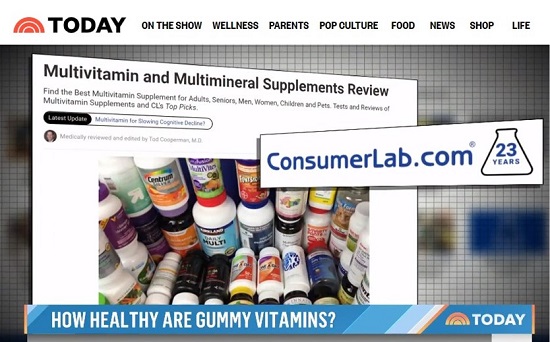
In "How Healthy Are Gummy Vitamins?" on NBC News TODAY (October 25, 2022), ConsumerLab.com's president, Tod Cooperman, M.D., warned that the company's tests have shown that gummy vitamins are more likely to have quality issues than other types of vitamins, and, concerningly, may contain far more ingredient than listed on the label, which can increase the risk of adverse effects. ConsumerLab testing revealed that two gummy multivitamins contained twice their listed amounts of folic acid, putting them close to the upper tolerable limit for daily exposure. It also found that a popular children’s melatonin gummy contained twice as much melatonin as listed on the label.

October 11, 2022

In "Gummy Vitamins Are Surging in Popularity. Are They Healthy or Just Candy?" in the Wall Street Journal (October 11, 2022), ConsumerLab.com's president, Tod Cooperman, M.D., warns that "gummy vitamins are more likely to have quality issues than tablets and caplets." The article cites ConsumerLab's finding that a popular children’s melatonin gummy contained twice as much melatonin as listed on the label. ConsumerLab has also discovered gummy multivitamins that contained twice their listed amounts of folic acid, putting them close to the upper tolerable limit for daily exposure.

September 23, 2022

"Dietary Supplements – The Wild West of Good, Bad, and a Whole Lotta Ugly" in Medical Clinics of North America (September 2022) by David S. Seres, MD, Dónal O'Mathúna, BSc(Pharm), and Walter L. Larimore, MD, recommends ConsumerLab.com as one of the best sources for healthcare providers and consumers for "objective, evidence-based, and up-to-date information on natural medicines." The article takes a critical look at the evidence regarding supplement safety and efficacy, consumer beliefs, and current regulation.

August 24, 2022

In the article "Don't Rely on Amazon for Legitimate Supplements, Study Finds" on VeryWell Health (August 24, 2022), Sarah Anzlovar, MS, RDN, LDN, a registered dietitian, suggests that consumers look for supplements that have been certified by a third-party, adding that "ConsumerLab also does significant testing." The article reports on a study that found that more than 50% of 30 top-listed immune support supplements purchased on Amazon.com in May of 2021 listed ingredients that could not be found in them with testing (see ConsumerLab's coverage of that study on August 11, 222).

July 21, 2022

The People's Pharmacy column "Use caution if choosing red yeast rice for cholesterol" in the Winston-Salem Journal (July 21, 2022) cites ConsumerLab.com's tests of red yeast rice supplements, which found that most did not contain enough of the cholesterol-lowering compound lovastatin to be effective, including one product that contained none, and many were contaminated with citrinin, a potential kidney toxin.

May 25, 2022

ConsumerLab's president, Tod Cooperman, M.D. was honored to be among the experts speaking at the 2022 Office of Dietary Supplements Research Practicum held at the National Institutes of Health. The talks are now available online through the ODS website. Dr. Cooperman participated in the "Meet the Watchdogs" panel on May 25th - Day 3 (his talk starts at 2:33:05). The Practicum is an annual three-day educational opportunity providing fundamental knowledge of dietary supplements to faculty, students, and practitioners. It emphasizes the importance of scientific investigations to evaluate the efficacy, safety, and value of these products for health promotion and disease prevention as well as how to carry out this type of research.

October 10, 2021

"How 1.5 Million Aloe Vera Leaves Are Harvested A Week" from Business Insider (October 10, 2021) cites ConsumerLab's findings that half of the aloe liquids, gels and supplements it tested in 2015 contained little or no aloe. ConsumerLab's president, Tod Cooperman, M.D., also gives tips in the video on what to look for on aloe labels, and what the ingredient list may or may not tell you about the actual content of aloe products.

September 14, 2021

"Is Turmeric Good Medicine?" in Consumer Reports (September 12, 2021) takes a critical look at turmeric supplements and suggests that consumers check that products have been tested by a third party such as ConsumerLab.com. See our list of Approved turmeric and curcumin supplements, including our Top Picks, in our Turmeric and Curcumin Supplements Review. Our review includes additional details about what turmeric and curcumin have, and have not, been shown to do in clinical studies.

August 23, 2021

"Is Aloe a Sham?" in The New York Times (August 20, 2021) warns there's no guarantee that aloe products on the market contain what they promise, and cites ConsumerLab's tests of popular aloe liquids, gels and supplements that found half of the products tested contained little to no aloe.


August 06, 2021
In Good Housekeeping's "The Best Multivitamins for Women of All Ages" (August 5, 2021), ConsumerLab.com's tests of Multivitamins, Choline, and Fish Oil were used by registered dietician, Jaclyn London, in making selections. The article suggests that consumers look for products tested by ConsumerLab.com or other credible third parties.
July 09, 2021
In "VERIFY: Having trouble sleeping? Melatonin can work, doctor says" on WCNC NBC in Charlotte (July 7, 2021) sleep physician and director of Novant Health Sleep Services Nancy Behrens, M.D., recommends checking the quality of melatonin supplements, and any supplement you may consider taking, at ConsumerLab.com. For our test results and quality ratings of melatonin supplements, including our Top Picks, see our Melatonin Supplements Review.
June 18, 2021

In "6 of the Worst Things to Buy at Aldi" from MoneyTalksNews (June 17, 2021), #2 on the list is "Avocado Oil" based on ConsumerLab's recent finding that the fatty acid profile of Aldi’s avocado oil did not fully match that of avocado oil, suggesting adulteration with another oil. For our results and quality ratings of this and other popular avocado oils, as well as our Top Pick among them, see our Avocado Oil Review.


May 18, 2021
"Westchester's Supplement Superhero: How a Scarsdale doctor became one of the nation's leading vitamin watchdogs" in The Hudson Independent (May 17, 2021) explains what inspired Tod Cooperman, M.D. to create ConsumerLab.com, the leading resource of independent testing and information about health and nutrition products. As explained in the article, ConsumerLab has tested over 6,000 products to date. Dr. Cooperman notes that during more than 21 years of testing, "the most surprising thing has been realizing how often a manufacturer is simply unaware its product has a problem."
April 22, 2021
In "Choosing the Right Multivitamin – and Do We Really Need One?" on WGNO ABC in New Orleans (April 21, 2021)," registered dietician Molly Kimball discusses why people may not get their daily requirements for vitamins and minerals from their diets and suggests multivitamins Approved by ConsumerLab, noting "I use ConsumerLab.com as a reference when I recommend specific brands – they're an independent lab that test products for purity and truth in labeling, among other tests." Be sure to see CL's latest Top Picks for multivitamins for adults of all ages, children, and pets.
April 16, 2021
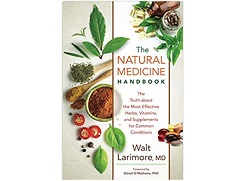
The Natural Medicines Handbook, by bestselling author and long-time family physician, Walt Larimore, M.D., is a wonderfully useful handbook for anyone seeking fact-based and actionable information about vitamins and supplements. In creating The Natural Medicine Handbook, Dr. Walt consulted with ConsumerLab.com, noting that he could not practice medicine the way he does "nor even begin to think about writing a book like this" without the practical materials provided by ConsumerLab. (The Natural Medicine Handbook: The Truth about the Most Effective Herbs, Vitamins, and Supplements for Common Conditions, Revell, 2021).
February 05, 2021
"What's in Your Prenatal Vitamin?" in The New York Times (February 3, 2021) discusses the wide variation in the amounts of vitamins and minerals in prenatal supplements and concerns about contamination. It recommends choosing a prenatal vitamin that has been tested and certified by a trusted, independent organization such as ConsumerLab.com, which has found some prenatal vitamins do not properly disintegrate, or do not contain their listed amounts of certain vitamins.
January 22, 2021
"A hard pill to swallow: Why gummy vitamins don't work as well as conventional supplements" in Insider (January 21, 2021) cites ConsumerLab's finding that gummies were the most likely type of multivitamin to fail its tests of quality. "This is because they are harder to manufacture than pills, ConsumerLab's president, Tod Cooperman, M.D., explains in the article, "which makes it harder to ensure that they truly contain the proper amount of each vitamin and mineral." Dr. Cooperman also discusses other issues with gummies and suggests alternatives for those who want to avoid traditional multivitamin pills.
October 20, 2020
The premier episode of Wellness, Inc. with Dr. Mike Moreno focused on ConsumerLab.com, calling it "a godsend to health-conscious consumers." The episode, in which Dr. Moreno interviews ConsumerLab's Dr. Tod Cooperman, covers a range of issues relating to dietary supplements, such as vitamin D, and products including CBD, face masks and face shields, canned fish, and water filters. Listen now.
October 06, 2020
In the article "Nutritional Considerations and Strategies to Facilitate Injury Recovery and Rehabilitation" in the Journal of Athletic Training (September 19, 2020) ConsumerLab.com is identified as among the most common and recommended certification programs for identifying evidence-based supplements. As noted in the article, "When choosing dietary supplements, purchasing products that have been subjected to third-party testing to verify product contents and rule out contaminants is advised." The article discusses the use of supplements such as fish oil, vitamin D, probiotics and creatine.
September 08, 2020
In "Be savvy about sardines" in the Texarkana Gazette, Drs. Mehmet Oz and Michael Roizen discuss ConsumerLab's findings that sardines can provide more omega-3 fatty acids and less mercury than albacore tuna. But the amount of arsenic CL found in sardines means consumption should still be limited. Be sure to see CL's Top Picks for canned sardines, tuna, and salmon.
September 04, 2020

In "What Are Supplements" from the University of California – San Diego (September 4, 2020), Recreation Nutritionist Erin Kukura explains what consumers need to keep in mind before buying and using a supplement and suggests ConsumerLab.com for checking the purity of supplements.


March 23, 2020
In "5 Ways to Boost Your Immune System" on AARP.org (March 21, 2020) ConsumerLab.com's president, Tod Cooperman, M.D., explains what to do if you think you may be low on vitamin D, one of several vitamins and minerals that are important for immune system health, and the best way to take a vitamin D supplement.
March 21, 2020
"Can a Supplement Protect Me Against the New Coronavirus?" on Everyday Health (March 18, 2020) features advice from ConsumerLab.com President, Tod Cooperman, M.D., on how to keep your immune system strong. More about this can be found on ConsumerLab's page about supplements and the coronavirus (COVID-19), which includes information about vitamin D, zinc, vitamin C, elderberry and other supplements.
March 11, 2020
"CBD Is Most Often Used for Pain Relief and Sleep" on Newsmax (March 10, 2020) discusses ConsumerLab's survey of nearly 10,000 CL newsletter readers that found pain relief and sleep were the most common reasons for using CBD. The clinical evidence for CBD, as well as CL's tests and Top Picks among popular CBD products, can be found in ConsumerLab's CBD and Hemp Extract Review.
March 07, 2020
"Can Elderberry Treat the Flu?" in New York Times ‐ Parenting (March 3, 2020) discusses elderberry for flu and cites ConsumerLab's finding of wide-ranging amounts of elderberry compounds in marketed products. It also recommends checking ConsumerLab's Elderberry Supplements Review when choosing an elderberry supplement.
December 13, 2019
"Collagen: 'Fountain of Youth' or Edible Hoax?" on WebMD (December 12, 2019) cites ConsumerLab's tests of popular collagen supplements, including one that was found to be contaminated with cadmium. The article discusses the growing popularity of collagen supplements and the evidence as to whether they can help improve the appearance of skin or reduce joint pain.
October 30, 2019
"How to Choose Supplements Wisely" on ConsumerReports.org (October 30, 2019) warns consumers that the FDA does not test supplements for quality or safety before they are sold and highlights the importance of choosing supplements that have been tested and approved through ConsumerLab's Quality Certification Program, or other independent testing program. It cautions that a claim that a product is "verified" or "approved" may be meaningless if not accompanied by a seal from a reputable, independent organization.
October 26, 2019
"Should I Take a NAC Supplement?" on Medium (October 25, 2019) explains the rise in popularity of NAC (N-acetyl cysteine) supplements, which are promoted for everything from asthma and anxiety to curbing colds and improving cognition. In the article, ConsumerLab's president, Tod Cooperman, M.D., comments on this. More information about NAC, and CL's tests of popular NAC products, can be found in ConsumerLab's NAC (N-acetyl cysteine) Supplements Review.
October 19, 2019
"Is ingestible collagen the fountain of youth? Maybe" on CNN.com (October 17, 2019) recommends checking ConsumerLab's Collagen Supplements Review and its tests of products when selecting a collagen supplement. The article explains why collagen supplements have become so popular, whether they really work to help reduce wrinkles and decrease joint pain and stiffness and what to expect when taking collagen, including information from CL's review about potential side effects with collagen supplements and how long it may take to see a benefit.
June 11, 2019
An expert report on supplements for brain health by the Global Council on Brain Health, in which ConsumerLab participated, concluded that there is no solid evidence supporting the general use of supplements to boost brain health or prevent or treat dementia or Alzheimer's disease, except for taking vitamin B-12 and/or folate to offset deficiencies in those vitamins. People who consume seafood providing omega-3 fatty acids have a lower risk of declining memory and thinking skills, but this benefit has not been well demonstrated with omega-3 as a supplement. Small and short-term studies have suggested benefits with other supplements but there is not yet conclusive evidence for these. The Global Council on Brain Health (GCBH) is an independent collaborative of scientists, doctors, scholars and policy experts from all over the world brought together by AARP.
June 03, 2019
"Feeling your oats: What's best and healthy" in the Philadelphia Inquirer (May 27, 2019) cites ConsumerLab's finding that some oat cereals contain a surprising amount of gluten, even though gluten does not naturally occur in oats. It also discusses ConsumerLab's tests of oat cereals for contamination with ochratoxin A (OTA) and which products CL found to provide the best quality and value.
May 23, 2019
"Do SugarBearHair Vitamins Really Work? Here's What Our Nutritionist Says" in Good Housekeeping (May 22, 2019) takes a look at the evidence for these popular "hair and nail" vitamins, including what ConsumerLab has to say about the amount of biotin they contain. The article also recommends choosing a multivitamin that has been tested and Approved by ConsumerLab.
April 27, 2019
"The Best Multivitamins for Women for Every Stage of Life, According to Experts" in Good Housekeeping (April 26, 2019) highlights the quality issues CL found with gummy vitamins and discusses CL's finding that many prenatal multis lack proper amounts of key nutrients. The article recommends choosing a multivitamin that has been tested and Approved by ConsumerLab.com.
March 30, 2019
"CBD: Are you getting what you paid for?" on KCTV5 News Kansas City (February 3, 2019) cites ConsumerLab.com's finding that you can't always rely on labels when choosing a CBD product. In the report, ConsumerLab's president, Tod Cooperman, M.D., explains "I would say at least 30 percent of the labels are accurate. The other 70 percent aren't accurate or are just not telling you on the label what to expect." KCTV5 News also purchased and tested four CBD products sold in Kansas City and found that none contained the amount of CBD listed on its label. The report recommends purchasing only CBD products that have been tested with results that can be verified.
March 21, 2019
Consumer Reports' "Melatonin may not be as safe as you think," on ABC Eyewitness News Chicago (March 19, 2019) discusses potential concerns and side effects of taking melatonin supplements and recommends looking for a melatonin supplement Approved by ConsumerLab.com or other independent testing organization.
March 18, 2019
"Do Gummy Vitamins Work? Here's What Experts Say" in TIME magazine (March 13, 2019) cites ConsumerLab's finding that gummies were the most likely type of multivitamin to fail its tests of quality. In the article, ConsumerLab's president, Tod Cooperman, M.D., explains the issues with gummies, as well as why they typically do not contain iron.
February 16, 2019
In "8 Nutrients You Shouldn't Take in Pill Form" (Reader's Digest, February 16, 2019), ConsumerLab.com's president Tod Cooperman, M.D., explains why supplements such as apple cider vinegar, vitamin D and melatonin are best taken as a liquid, while for others, like vitamin C and folic acid, a pill is best.
February 05, 2019
"Do Gummy Vitamins Work, and Are They Good or Bad for You?" (Healthline, January 30, 2019) discusses the pros and cons of gummy vitamins and cites ConsumerLab's finding that 80% of gummy vitamins -- selected for testing in its Multivitamin Review -- did not provide the amounts of vitamins and minerals listed on their labels. The article recommends choosing a multivitamin with certification from ConsumerLab or other independent testing organization.
December 24, 2018
In "Using CBD products? Beware risk of positive drug test" in The Joplin Globe (December 22, 2018), ConsumerLab.com's president Tod Cooperman, M.D., explains why, although uncommon, taking CBD products can result in a failed drug test. The article also cites ConsumerLab's tests of popular CBD oils and hemp extracts, including the amounts of CBD and THC found they contained -- information that is often not provided on labels.
December 21, 2018
In the Prevention article "We Looked Into Whether It's Safe to Take Expired Vitamins" (December 21, 2018) ConsumerLab.com's president Tod Cooperman, M.D., explains what expiration, "best by" and "use by" dates on vitamin and supplement labels mean, and how their potency and safety may be affected after these dates.
December 21, 2018
In "How to get enough vitamin D without the sun" in Business Insider (December 17, 2018), JoAnn E. Manson, M.D., Dr.P.H., chief of the division of preventive medicine at Brigham and Women's Hospital and study director of one of the largest ongoing trials on the effects of vitamin D supplementation (the VITAL study), recommends looking for evidence of quality control testing from independent organizations such as ConsumerLab.com when choosing a vitamin D supplement.
December 07, 2018
The Academy of Nutrition and Dietetics' (AND) position paper on Micronutrient Supplementation (November 2018) recognizes ConsumerLab.com as an independent organization that evaluates supplement quality. The AND is the world's largest organization of food and nutrition professionals. As the paper explains, it is the AND's position "...that micronutrient supplements are warranted when requirements are not being met through the diet alone. Those with increased requirements secondary to growth, chronic disease, medication use, malabsorption, pregnancy and lactation, and aging may be at particular risk for inadequate dietary intakes. However, the routine and indiscriminate use of micronutrient supplements for the prevention of chronic disease is not recommended, given the lack of available scientific evidence."
November 24, 2018
The article "Current regulatory guidelines and resources to support research of dietary supplements in the United States" by Regan Bailey, Associate Professor of Nutrition Science at Purdue University, cites ConsumerLab as a resource for its independent work comparing "actual analytical levels of product ingredients with the labeled levels for a wide range of product types..." The article also refers to CL's Multivitamin Review, which found quality control problems with 46% of MVM products. The article appears in the November 2018 issue of Critical Reviews in Food Science and Nutrition, a leading nutrition journal.
November 17, 2018
When in Rome... do an interview for Italian television about dietary supplements. ConsumerLab's President, Tod Cooperman, M.D., recently discussed CL's findings and U.S. regulation of dietary supplements with Carla Rumor of the Italian national public TV station RAI for the news report "Se la pillola va giù" (November 13, 2018). The report (in Italian) focuses on the current regulation of supplement-type pills and drinks in Italy. (Dr. Cooperman's interview begins at 13:53 minutes into the 30 minute broadcast.)
October 31, 2018
ConsumerLab's president, Tod Cooperman, M.D. was among the experts speaking at the 2018 Office of Dietary Supplements Research Practicum held at the National Institutes of Health. The talks are now available online through the ODS website. Dr. Cooperman participated in the "Meet the Watchdogs" panel (his talk starts at 16:07 minutes). The Practicum is an annual two-and-a-half-day educational opportunity providing fundamental knowledge of dietary supplements to faculty, students, and practitioners. It emphasizes the importance of scientific investigations to evaluate the efficacy, safety, and value of these products for health promotion and disease prevention as well as how to carry out this type of research.
October 23, 2018
"CBD: A marijuana 'miracle' that comes at a very high price" in the Philadelphia Inquirer (October 23, 2018) cites ConsumerLab's tests of popular CBD products, which found a 10-fold difference in the amount of CBD in products and a 5-fold difference in the cost to get CBD from these products. Also noted is research by Dr. Marcel Bonn-Miller of the University of Pennsylvania.
October 12, 2018
The article "Calcium Supplements for Osteoporosis" by physical therapist Margaret Martin on MelioGuide.com (October 3, 2018) provides useful information about calcium supplements from an interview with ConsumerLab.com's president, Tod Cooperman, M.D. A video of the interview is also provided.
October 05, 2018
In his article about statins versus red yeast rice for lowering cholesterol, Dr. Zorba Paster cited ConsumerLab.com's tests of red yeast rice supplements (Wisconsin State Journal, October 5, 2018). He also noted that ConsumerLab.com is his "go-to place for up-to-date, great information for any supplement."
October 04, 2018
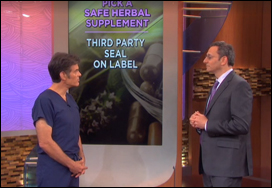
In "The CBD Oil Bloom" segment on Dr. Oz (October 2, 2018), ConsumerLab.com president, Tod Cooperman, M.D. discussed CL's tests of popular CBD and hemp oil products with Dr. Oz and Dr. Sanjay Gupta. CL found some products to contain 10 times more CBD than others. Watch the segment.
August 17, 2018
In "Supplements for Brain Health?" on AARP.org (August 7, 2018) ConsumerLab's Dr. Tod Cooperman discusses the evidence for B vitamins, curcumin (from turmeric), cocoa flavanols and fish oil for improving cognition and memory, as well as key findings from ConsumerLab tests of these supplements and what to look for when choosing a product. Complete findings and CL's Top Picks for each can be found in ConsumerLab's Reviews of B Vitamins, Turmeric and Curcumin Supplements, Dark Chocolates and Cocoa Powders and Fish and Marine Oil Supplements.
August 14, 2018
"Not All Bone Broths Are Healthy" in BottomLine Personal (August 15, 2018) cites ConsumerLab.com's tests and reviews for bone broths. Complete findings (including amounts of collagen found in each product) and CL's Top Picks are found in CL's Bone Broth Review.
July 06, 2018
"Don't Trust the Label on Your Supplements" in Outside magazine (July 5, 2018) features an interview with ConsumerLab.com's president Tod Cooperman, M.D. and others on its scientific staff, including Mark Anderson, Ph.D., Vice President for Research. The article explains the important role that 3rd party testing organizations play in helping consumers find better quality supplements.
June 23, 2018
On the Dr. Nieca Goldberg show on SiriusXM's Doctor Radio (June 21, 2018), ConsumerLab's Dr. Tod Cooperman discussed vitamin D and answered questions about what it does, how much to take, and risks. See ConsumerLab's Review of Vitamin D supplements.
May 15, 2018
The Dr. Oz Show segment "Is Your Apple Cider Vinegar Real?" (April 30, 2018) featured ConsumerLab.com's recent tests of popular apple cider vinegar bottled liquids and pills. CL found that most apple cider liquids were generally of good quality, but one apple cider vinegar supplement contained potentially dangerous levels of acetic acid. Watch the segment on Dr. Oz's website.
May 15, 2018
On SiriusXM's Doctor Radio (May 13, 2018), Internal Medicine host Dr. Ira Breite interviewed Dr. Tod Cooperman of ConsumerLab.com about the cannabidiol oil craze as well as probiotics. See ConsumerLab's reviews of cannabidiol products and probiotic supplements.
March 24, 2018
In "13 Supplement or Medication Combos You Should Never Mix" in Reader's Digest (March 23, 2018), ConsumerLab.com's president Tod Cooperman, M.D., discusses interactions among vitamins, minerals, other supplements, and drugs.
March 08, 2018
"Should You Drink Matcha Tea?" in TIME magazine (March 8, 2018) provides a good overview of matcha green tea and discusses ConsumerLab.com's findings from our tests of popular brands of matcha -- determining amounts of beneficial catechins (including EGCG), caffeine, and lead contamination.
March 08, 2018
In "To Our Health: Pros and cons of vitamins and supplements" in the Cloverdale Reveille (March 7, 2019), author Paula Wrenn notes, "If you wish to research the quality of the supplement brand you want to use, a website that can prove helpful in terms of quality is ConsumerLab.com."
November 28, 2017
"Don't Rely on a Gummy Multivitamin If You Can Swallow a Tablet" from Center for Science in the Public Interest (November 27, 2017) notes problems with gummy vitamins uncovered by ConsumerLab.com in its recent Multivitamin Review.
November 27, 2017
The article "What can you do to make your nails grow faster?" from MedicalNewsToday (November 18, 2017) refers to ConsumerLab.com's article "Can vitamin supplements strengthen brittle nails?" Also see CL's Top Pick for biotin supplements for hair and nails.
November 27, 2017
The article "Nearly 50% Of Multivitamins Don't Live Up to Their Claims" in Men's Health magazine (November 15, 2017) cites ConsumerLab.com's recent tests of multivitamin supplements, which found that many popular multivitamins contained too much or too little of listed ingredients, or failed to disintegrate in time – with gummies and large tablets most likely to fail. The article also explains how to find the best multi for you, based on ConsumerLab.com's findings.
November 21, 2017
The New York Times article "Knowing What's in Your Supplements" (Well Blog, February 12, 2015) recommends checking ConsumerLab.com's product reviews when trying to ensure a supplement contains what it claims on the label, after a New York Attorney General's report earlier in the month raised questions about the quality of supplements sold my several major retailers.
November 21, 2017
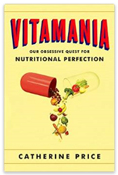
Vitamania, by award-winning journalist, Catherine Price, is a new "must read" book for anyone interested in nutrition. In Vitamania, Price recommends ConsumerLab.com, describing it as a "particularly excellent resource." The book is a fascinating, deep dive into the history of vitamin discovery, vitamin crazes, and vitamin politics. It shows that just when we feel we fully understand our nutritional needs, new discoveries prove us wrong — impressing on us the importance of maintaining an open and discerning mind regarding foods and supplements. (VITAMANIA: Our Obsessive Quest for Nutritional Perfection, Penguin Press 2015).
November 21, 2017
On NPR's The Diane Rehm Show (February 26, 2015) Vitamania author Catherine Price warned consumers not to rely on labels when trying to choose a supplement, citing ConsumerLab.com's tests of aloe, garlic and ashwagandha supplements which found many did not contain what was claimed. Price recommended checking supplements with a third party organization, noting "I particularly like a company called ConsumerLab.com… it is one of the only companies that actually pulls products randomly off store shelves and evaluates them to see if they have what they say they have." You can listen to the full show here (ConsumerLab.com first mentioned around minute 21).
November 21, 2017
The article, "Probiotics Pros and Cons," (March 3, 2015) on BerkeleyWellness.com cites ConsumerLab.com's tests of popular probiotic supplements which found some to contain lower amounts of organisms than listed on the label. The Berkeley article provides an overview of current evidence for various uses of probiotics, including digestion, weight loss and oral health. BerkeleyWellness.com is the website of the Berkeley Wellness Newsletter, which is associated with the School of Public Health at the University of California, Berkeley.
November 21, 2017
On The People's Pharmacy radio show Herbal Supplements Put to the Test (March 14 2015) ConsumerLab.com president Dr. Tod Cooperman discussed what the New York Attorney General's recent report on faulty dietary supplements does — and does not — reveal about the products that were tested. Dr. Cooperman explains the importance of using appropriate testing methods, which methods are used by ConsumerLab.com and why, and steps consumers can take to avoid problem supplements. You can listen to the full show here (segment begins around minute 7).
November 21, 2017
Dietary supplement retailer GNC has entered into an agreement with the New York Attorney General's Office to perform additional tests on its products, including DNA barcode testing of the plants used to make herbal supplements. A press release issued by the office of the New York Attorney General (March 30 2015) included reactions to the agreement from a number of experts in the areas of nutrition and dietary supplements, including ConsumerLab.com President, Tod Cooperman, M.D., who noted "The additional tests outlined by this agreement are a positive step toward making sure that herbal supplements are actually made from the plants on their labels." The announcement follows the New York Attorney General's February 2015 report which found problems with herbal supplements sold by major retailers, including GNC.
November 21, 2017
On The Dr. Oz Show (May 1, 2015) ConsumerLab.com president Dr. Tod Cooperman discussed the CL tests that helped Dr. Oz expose herbal weight management supplements which contained little of the key ingredients which CL expected from their labels, such as Garcinia cambogia and green coffee bean extract. Read Dr. Cooperman's article "Why You Need to Be Extra Careful with Supplements for Weight" on the Oz website and watch Part I and Part 2 of the segment "Dr. Oz Investigates Online Scams Using His Name to Dupe You" (results of CL's tests are in Part 2).
November 21, 2017
In the video, "The Pros and Cons of Probiotics" on Reuters Health Watch (July 13, 2016), ConsumerLab.com's President, Tod Cooperman, M.D., discusses probiotic supplements and provides tips on what to look for on probiotic labels and how to best store these supplements. Also see ConsumerLab.com's Probiotic Supplements Review for the latest tests of popular products.
November 21, 2017
On Last Week Tonight with John Oliver (July 30, 2017), ConsumerLab.com's Vitamin D Supplements Review was mentioned to compare the very low cost of a CL Approved vitamin D3 supplement to the much higher cost of a product promoted online. (CL is mentioned 14 minutes into the broadcast).

November 21, 2017
"What Are Greens Powders – and Do You Need Them?" in U.S. News & World Report (November 17, 2017) cites ConsumerLab.com's findings of lead and arsenic in some greens powders.
November 20, 2017
In Goop.com's article "Demystifying the Diet" (July 17, 2014) nutritionist Kelly Dorfman discusses quality issues with multivitamin supplements and notes how difficult it can be for consumers to evaluate ingredient quality without independent information. She recommends subscribing to ConsumerLab.com when trying to compare ingredients and find a quality multivitamin supplement. (See ConsumerLab.com's Multivitamin Review now for tests and quality comparisons).
November 20, 2017
The article "Cocoa Powders Found to Contain a Toxic Metal" on Prevention.com (August 2014) featured findings from ConsumerLab.com's Garcinia Cocoa Powders, Extracts, Nibs, and Chocolate Review.
November 20, 2017
The article "Drink's breast enlargement claim 'not backed by science'" in the South China Morning Post (August 13, 2014) quotes ConsumerLab.com President, Tod Cooperman, M.D. who states: "This scam has been going on for many, many years in many different forms with a variety of herbal ingredients that naturally contain isoflavones." For more information about these types of products, see ConsumerLab.com's report on Breast Enhancement Supplements >>
November 20, 2017
The ABC Nightline report, "Prescription Drugs: Generics, Brand Names Not the Same?" (September 24, 2014) highlighted ConsumerLab.com's tests of a generic version of the antidepressant Wellbutrin XL 300 (bupropion hydrochloride XL 300), which found the drug released its ingredient much more quickly than the brand name version of the drug. In the report, ConsumerLab.com president, Tod Cooperman, M.D., discussed why this can be a problem. The findings led to further investigation by the FDA and eventual removal of two generic versions of bupropion XL 300 from the market. [If you have experienced a problem which you believe is attributable to differences among generic drugs, please let us know.]
November 20, 2017
In the Fox and Friends report, "Do generic drugs work as well as brand name drugs?" (September 27 2014), ConsumerLab.com president Tod Cooperman, M.D., advised consumers of warning signs that may indicate a generic drug is not working properly. The report featured ConsumerLab.com's findings in 2007 that a generic version of the antidepressant Wellbutrin XL 300 (bupropion hydrochloride XL 300) was releasing its ingredient much more quickly than the brand name version of the drug. [If you have experienced a problem which you believe is attributable to differences among generic drugs, please let us know.]
November 20, 2017
ConsumerLab.com at Food and Nutrition Conference and Expo – ConsumerLab.com's president, Tod Cooperman, M.D., spoke on October 19 about the quality of dietary supplements at FNCE 2014 in Atlanta, run by the Academy of Nutrition and Dietetics. Dr. Cooperman spoke to hundreds of dietitian nutritionists along with noted sports nutritionist, Lisa Dorfman, R.D, focusing on supplements in integrative sports nutrition. The presentations are online.
November 20, 2017
A new study found that providing access to ConsumerLab.com as part of a "toolkit" to nurse practitioners improved their knowledge and their guidance of patients regarding the use of natural health products. The study was published in the Journal of Pediatric Health Care (Gutierrez, 2014), the official publication of the National Association of Pediatric Nurse Practitioners.
November 20, 2017
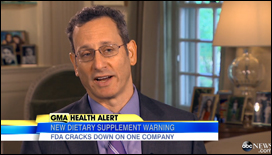
The ABC News Good Morning America report "FDA Cracks Down on Dietary Supplement Company" (November 7, 2014) discussed the problem of heavy metal contamination in herbal supplements ( which are not required to receive FDA approval before being sold on the market) and the FDA's recent lawsuit against one supplement company for failing to heed numerous warnings that it was manufacturing and distributing adulterated supplements. In the report, ConsumerLab.com president Tod Cooperman, M.D., warned consumers that approximately 20- 25% of supplements the company reviews fail testing, often because they don't contain as much ingredient as claimed, or are contaminated with heavy metals. He noted that herbal supplements are more likely to exceed heavy metal limits than other types of supplements.
November 20, 2017
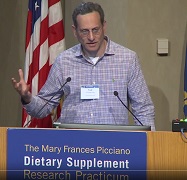
At the China International Nutrition and Health Summit 2014 in Beijing in November, ConsumerLab.com's President, Tod Cooperman, M.D., and its Chief Scientific Office for China, Dr. Yongchao Li, presented findings from CL's tests of dietary supplements in the U.S. and announced the upcoming launch of its Chinese-language website - cn.consumerlab.com.
November 20, 2017
"How to Pick the Best Vitamin D Supplement" in Shape magazine digital edition (December 23, 2014) cites ConsumerLab.com's product tests and recommendations. See ConsumerLab.com's Product Review of Vitamin D Supplements >>
November 20, 2017
In "Can I stop taking fish oil?" in the Washington Post (Nutrition Q&A, January 21, 2015), nutrition author Catherine Price recommends ConsumerLab.com when trying to choose a quality fish oil supplement, citing ConsumerLab.com tests of fish oil supplements.

November 20, 2017
In the Runner's World article "Herbal Supplements May Not Contain What You Think" (February 4, 2015), Leslie Bonci, the director of sports nutrition at the UPMC Center for Sports Medicine, suggests consumers look at ConsumerLab.com for its ratings of products. (Also see the article in SHAPE "New York Attorney General Says Labels on Supplements May Be Lying" (February 4, 2014), which includes tips about supplements from ConsumerLab.com's president).
November 20, 2017
In the ABC News' Good Morning America segment "Herbal Supplements Crackdown: Some Brands May Be Misleading," (February 2, 2015) ConsumerLab.com President, Tod Cooperman, M.D. commented on the danger of unlisted ingredients in herbal supplements. The segment was triggered by a report from the New York Attorney General suggesting that some major supplement brands do not contain what they claim and may contain unlisted ingredients.

November 20, 2017
An NBC News' Today article asks "Which vitamins and herbal supplements can you trust?" (February 3, 2015). The article comes in the wake of the New York Attorney General's report about faulty herbal supplements sold by major retailers. In the Today article, ConsumerLab.com President, Tod Cooperman, M.D. explains potential problems with herbal supplements and how to avoid them. The article recommends looking for ConsumerLab.com approval, or other third-party certification, before buying a supplement.
November 20, 2017
ConsumerLab.com president Dr. Tod Cooperman spoke with Whole Psychiatry radio show host Dr. Robert Hedaya (April 2, 2013) about the reasons for taking a supplement, and how to choose the right one while avoiding common quality pitfalls. You can listen to the broadcast "How to Select a Vitamin Supplement."
November 20, 2017
In the Wall Street Journal's MarketWatch article 10 Things Vitamin Makers Won't Say (April 30, 2013), ConsumerLab.com president Dr. Tod Cooperman describes common problems with supplement quality and advises consumers to be wary of labels that use certain key words and phrases, which can be used to obscure the exact amounts of expensive ingredients, like chondroitin.
November 20, 2017
In a segment about generic drugs on The Dr. Oz show (April 9, 2013), Dr. Tod Cooperman, president of ConsumerLab.com, discussed differences between name brand and generic drugs with Dr. Mehmet Oz. Read Dr. Cooperman's article on the show's site, "What You Need To Know About Generic Drugs," for tips on how to use generic drugs safely, and watch the two-part segment of the show here >>Part 1 >>Part 2
November 20, 2017
In a segment on The Dr. Oz show (April 9, 2013) about vitamin quality, ConsumerLab.com president Dr. Tod Cooperman revealed there were problems with almost 40% of the multivitamins ConsumerLab.com recently tested, and problems with some tested calcium supplements. Read Dr. Cooperman's article "What's Really In Your Vitamins," on Dr. Oz's site and watch the two-part segment of "What's Really In Your Vitamin Supplements" here >>Part 1 >>Part 2

November 20, 2017

The New York Times article "What's in Your Green Tea?" in its "Well" blog (May 23, 2013) featured recent findings from ConsumerLab.com's tests of brewable green tea, bottled green tea, and green tea supplements.

November 20, 2017
Presenting at the FDA on June 21, 2013, ConsumerLab.com president, Tod Cooperman, M.D., asked the Office of Generic Drugs for more transparency and honesty regarding generic drug approvals and labeling. Other presenters at the FDA Generic Drug Regulatory Science Initiatives Public Meeting in Silver Spring, MD included FDA officials, industry representatives, and researchers in the generic drug field. The presentations and slides can be watched online — Dr. Cooperman's presentation is in "Part 1" at the 1:16:30 time mark.
November 20, 2017
ConsumerLab.com's president, Tod Cooperman, M.D., was asked by the Institute of Human Nutrition at Columbia University's College of Physicians and Surgeons to talk to physicians, dieticians, nutrition researchers, and students at its Micronutrient Supplement Symposium on October 26, 2013 in New York City. Dr. Cooperman spoke on the "Evaluation of Supplement Quality and Safety" and participated in a panel discussion. The goal of the symposium, which was attended by more than 600 individuals, was to "better understand how to counsel patients about dietary patterns and supplement use" and "close the gap on shortfall nutrients."
November 20, 2017
The article "Herbal-Supplement Scam: Tests Reveal Fake and Dangerous Ingredients" on Yahoo! Shine (November 4, 2013) recommends ConsumerLab.com as a resource to research herbal supplements.

November 20, 2017
On NPR's Science Friday (November 8, 2013), two experts, David Schardt, Senior Scientist at Center for Science in the Public Interest, and Victoria Maizes, M.D., Executive Director of the Arizona Center for Integrative Medicine, each recommended ConsumerLab.com as a resource when trying to choose among herbal and other supplements. ConsumerLab.com is mentioned at 6 and 8 minutes into the segment "Navigating Dietary Supplement Regulations."

November 20, 2017
In the article "Beware the Impurities in 'Natural' Supplements" in The Wall Street Journal (November 20, 2013), Dr. Murali Doraiswamy, a professor of medicine at Duke University Medical Center, writes, "Readers can turn to ConsumerLab.com to see purity results for specific herbal brands."
November 20, 2017
The article "The Diet Pill That's Scamming You" on Prevention.com (November 2013) featured findings from ConsumerLab.com's Garcinia Cambogia Supplements Review.
November 20, 2017
On The Dr. Oz Show (November 27, 2013), ConsumerLab.com president Dr. Tod Cooperman talked with Dr. Oz about adulterated herbal supplements, as well as supplements to help prevent or treat colds and flu tested by ConsumerLab.com (echinacea, zinc, vitamin D). Read Dr. Cooperman's article "3 Top Supplements for Colds and Flu" on Dr. Oz's site and watch the segment "What's Really in Your Herbal Supplements?" >>
November 20, 2017
The article "Probiotics can enhance health, but what are effective doses?" on the Philadelphia Inquirer's website philly.com (January 26, 2014) cites statistics from ConsumerLab.com's Vitamin and Supplement Users Survey and test findings from its Probiotic Supplements Review. The article includes recommendations from various experts regarding the use probiotics.
November 20, 2017
The article "How to boost your heart and brain health with fish oil" in USA Today (February 12, 2014) discusses the latest clinical findings for fish oil and cites results of ConsumerLab.com's Fish Oil Supplements Review.
November 20, 2017
On The Dr. Oz Show (February 18, 2014), ConsumerLab.com president Dr. Tod Cooperman talked with Dr. Oz about quality issues with protein powders, based on CL's latest report. Read Dr. Cooperman's article "Smart Guide to Buying and Using Protein Powders" on Dr. Oz's site and watch the segment "Oz Investigates: Protein Powder" >>
November 20, 2017
In "Doctor Oz Goes Face to Face with Scam Artists" (April 29, 2014) ConsumerLab.com's president, Tod Cooperman, M.D. revealed that a Garcinia cambogia supplement boasting Dr. Oz's (unauthorized) endorsement was "the worst" Garcinia product among those tested by ConsumerLab.com. This information helped Dr. Oz get the product removed from the market. (Test results are found in the Garcinia cambogia Supplements Review>>)
November 20, 2017
For the fourth year in a row, ConsumerLab.com president, Tod Cooperman, M.D., was asked by the U.S. National Institutes of Health (NIH) to talk to nutrition researchers as part of the 2014 Dietary Supplement Research Practicum offered by the Office of Dietary Supplements in June. As part of the "Meet the Watchdogs" panel, Dr. Cooperman was joined by David Schardt of Center for Science in the Public Interest and others. The annual practicum is an intensive program to provide fundamental knowledge of dietary supplements to faculty and post-doc students at academic institutions; healthcare practitioners; and others with advanced biomedical degrees.
November 20, 2017
An NBC New York report on the Dangers of Generic Drugs (June 2, 2014) featured ConsumerLab.com president, Tod Cooperman, M.D., discussing the need for the disclosure of more information about generic drugs and supporting a bill proposed in New York State requiring the release of bioequivalence data for all generic drugs sold in the state. If the bill passes, New York would be the first state with this requirement. The NBC report includes an interview with a woman who had used the generic antidepressant (bupropion XL 300), which ConsumerLab.com tested in 2007, leading to further investigation by the FDA and eventual removal from the market. [If you have experienced a problem which you believe is attributable to differences among generic drugs, please let us know.]
November 20, 2017
Dr. Zorba Paster, a syndicated health journalist, referred to ConsumerLab.com as his "favorite online source" for checking the quality of products in a recent article about protein shakes in the Quad City Times (June 20, 2014). Dr. Paster is also heard on public radio at Zorba Paster On Your Health.
November 20, 2017
The article "Are Cocoa and Chocolate a Reliable Source of Flavanols?" in Nutrition Action.com (July 1, 2014) refers to ConsumerLab.com's recent test of these products (See CL's Review of Cocoa Powders, Extracts, and Chocolate – Sources of Flavanols). The author, David Schardt, Senior Nutritionist with Center for Science in the Public Interest, points out, "This is the first time that flavanol levels in commercial products have been made public."
November 20, 2017
On The Dr. Oz Show (July 7, 2014) ConsumerLab.com president Dr. Tod Cooperman talked with Dr. Oz about quality issues with herbal supplements (such as St. John's wort and echinacea), and three important things to look for on labels before buying. Read Dr. Cooperman's article "Smart Guide to Choosing Herbal Supplements" on Dr. Oz's site and watch the segment "How Safe Are Your Herbal Supplements: Part 2" > >
November 20, 2017
The article "Fish Oil Boosts Brain Power" on Yahoo Health (July 16, 2014) discusses a study suggesting a benefit of fish oil supplementation in preventing cognitive decline (recently reported by ConsumerLab.com in the Fish Oil Supplements Review) and recommends ConsumerLab.com as a resource for choosing the best fish oil supplement.
November 19, 2017
USA Today's article "Vitamin D Doses Often Don't Match Labels, Study Says" (February 11, 2013) reports that a study by researchers at Kaiser-Permanente found amounts of vitamin D in supplements to range from 9% to 140% of what was listed on bottles. It notes that ConsumerLab.com has found similar findings (see the Vitamin D Supplements Review).
November 19, 2017
In "What Is In Your Vitamin Supplements," (March 18, 2012) All Seasons Cyclist (a website for avid cyclists) published a review of ConsumerLab.com, putting a subscription to ConsumerLab.com in its "highly recommended" category.
November 19, 2017
A study of controlled-release melatonin formulas funded by the U.S. National Institutes of Health (NIH) utilized ConsumerLab.com to assess the dissolution and purity of the tested melatonin products (Gooneratne, J Pineal Res 2012). One of the interesting findings from the study was that higher dose melatonin caused blood levels to remain elevated for longer than the typical sleep period — increasing the risk of daytime drowsiness, as noted in the Concerns and Cautions section of the Melatonin Supplements Review.
November 19, 2017
Stacy Johnson of MoneyTalksNews spoke with Tod Cooperman, M.D. of ConsumerLab.com for the report, "Are Generic Drugs Safe?" (March 20, 2012). The report cites ConsumerLab.com's tests and provides tips for consumers when using generic drugs. (If you have had a problem with a generic drug, let us know.)
November 19, 2017
Responding to a consumer's question about natural cholesterol control on the drweil.com website (June 30, 2011), Andrew Weil, M.D. noted that the most effective natural product available to help lower LDL cholesterol is red yeast rice. He commented that some products are less effective than others and suggested that consumers see ConsumerLab.com's ratings of red yeast rice products.
Full story>>>
November 19, 2017
The New York Times "Well" column cited ConsumerLab.com's study of coconut waters in an article "Really? The Claim: For Better Hydration, Drink Coconut Water" (August 8, 2011).
Full story>>>
November 19, 2017
"The Supplement Everyone Needs to Take," published by Rodale.com (May 2012) reports on a study which found fish oil supplementation reduced cardiovascular stress due to air pollution. The article suggests that people consult ConsumerLab.com's tests of fish oil supplements when choosing a supplement.
Full story>>>
November 19, 2017
The Chicago Tribune highlighted ConsumerLab.com's role as an independent source of dietary supplement information in "Dietary Supplements: Manufacturing Troubles Widespread, FDA Inspections Show" (June 30, 2012). The article details a number of manufacturing violations uncovered by the FDA since it began new industry compliance inspections in 2008. ConsumerLab.com president Tod Cooperman, M.D., explains that significant problems have been found with approximately one out of every four products the company has tested and describes some of the reasons for this.

In a related piece, "Dietary Supplement Tips for Consumers," the Chicago Tribune recommends ConsumerLab.com, along with sites such as FDA.gov, to readers who want to "minimize their risk," when it comes to choosing and using a dietary supplement.
November 19, 2017
The article "Flavor in Curry Favored by Some for Joint Pain" in The Wall Street Journal's Aches & Claims column (July 16, 2012) cited ConsumerLab.com's latest review of turmeric and curcumin supplements, which revealed that two out of 10 products selected for testing had fewer active compounds than expected from the label.
November 19, 2017
In a segment on The Dr. Oz Show about omega-3s from fish and marine oils (October 1, 2012), Dr. Oz asked Dr. Tanya Edwards of the Cleveland Clinic how consumers can figure out if a supplement is a good one or a bad one. Dr. Edwards, responded, "I tell all my patients to go to ConsumerLab.com." Watch the segment>>>
November 19, 2017
The article "Probiotics Benefits May Be More Than A Gut Feeling" in The Wall Street Journal's Your Health column (November 26, 2012) cited ConsumerLab.com's latest review of probiotic supplements, which revealed that two out of 12 products selected for testing had fewer viable probiotic organisms than expected from the label.
November 19, 2017
Dr. Mehmet Oz asked Dr. Tod Cooperman, President of ConsumerLab.com, to discuss safety concerns with energy drinks and ConsumerLab.com's test results from its recent B Vitamin Supplements and Energy Drinks Review. The conversation aired on The Dr. Oz Show (December 19, 2012). Watch the segment>>>
November 19, 2017
Experts recommend ConsumerLab.com for nutrition guidance. Two dietitians (Jenna A. Bell, PhD, RD, LD, and Scott Josephson, MS, RD) and two fitness professionals (Nicki Anderson and Brett Klika) met in a panel discussion on nutrition guidance and recommended ConsumerLab.com as a top "go-to" website at the 2010 IDEA World Fitness Convention>>>
November 19, 2017
Dr. Cooperman, ConsumerLab.com President, featured in Prevention Magazine article on MSNBC.com (January 17, 2011) where he discusses the safety concerns surrounding online diet pills.
Full story>>>
November 19, 2017
Energy Drinks: Too Good to Be True? Dr. Cooperman, President of ConsumerLab.com, featured on The Early Show on CBS where Michelle Miller reports on the claims of the energy drink, "5-hour Energy" and what CL found. (Feb. 7, 2011)
See the segment now>>>
November 19, 2017
ConsumerLab.com, featured in Prevention Magazine article on Yahoo! Health (Feb. 4, 2011) providing insights into the 5 most popular supplements in the recent CL Survey: fish oil, multivitamins, vitamin D, calcium and CoQ10.
Full story>>>
November 19, 2017
In a web chat on cancer and nutrition hosted by the Daily Press in Virginia (April 28, 2011), certified oncology dietician Lynne Groeger of the Peninsula Cancer Institute was asked to name the most important/trustworthy supplements. In her response, Groeger noted, "I use ConsumerLab.com to help make decisions about good supplements."

Full story>>>
November 19, 2017
In an article about herbal remedies in a local edition of the Chicago Tribune (June 10, 2011), Dr. Leslie Mendoza Temple, M.D., Director of the Integrative Medicine at NorthShore University HealthSystem, recommended ConsumerLab.com as a "good resource for people looking to learn more about herbs and supplements as well as to compare different supplement brands."
Full story>>>
November 19, 2017
In its article "4 Dietary Supplement Myths Busted," Eating Well magazine (July 2011) cites ConsumerLab.com's research to bust the myth that "What's listed on the label is what's really in the product."
Full story>>>
November 19, 2017
The Wall Street Journal's Health Journal cited ConsumerLab.com's latest test results in the article "Multivitamins: So Many Types, So Many Labels" (June 21, 2011). The article explored the need for multivitamins, the discrepancy between Daily Value figures on products and the latest recommended intake levels, and the reliability of label information.
Full story>>>
November 19, 2017
The American Medical Association's Archives of Internal Medicine journal (October 25, 2010) published a peer-reviewed article based on ConsumerLab.com's testing of red yeast rice supplements. The article is authored by Ram Gordon, M.D. and David Becker, M.D., both of the University of Pennsylvania Health System, and ConsumerLab.com's Tod Cooperman, M.D. and William Obermeyer, Ph.D. Data in the article includes results from ConsumerLab.com's Product Review of Red Yeast Rice Supplements (2008). ConsumerLab.com is scheduled to publish its next review of red yeast rice supplements in 2011.

November 19, 2017
Dr. William Obermeyer, Vice President of Research at ConsumerLab.com featured on CBS News affiliate stations (November 10, 2010) discussing the verification process ConsumerLab.com uses for its independent tests on vitamins and supplements.

Watch the segment now >>
November 19, 2017
Pharmacology for Rehabilitation Professionals, 2nd Edition (Saunders 2010) by Barbara Gladson, PhD TP OTR, suggests that, when buying supplements, you should check independent tests of quality by ConsumerLab.com. The book explains how various drugs affect patients during therapeutic exercise and includes a chapter on complementary and alternative medicine.
November 19, 2017
Tod Cooperman, MD , President of ConsumerLab.com discussed fish oil supplements on The Dr. Oz Show (September 26, 2010).
Watch the segment now >>
November 18, 2017
"One excellent Web site for checking out various supplement brands is www.consumerlab.com, an independent firm that tests supplements to determine if they contain the promised ingredients. Detailed reports are available for a fee. Products that pass ConsumerLab's testing may carry the CL seal on their labels."

Tara Park-Pope—
author of The Hormone Decision and New York Times Health & Wellness Columnist
Quote from MSN Health & Fitness
November 18, 2017
Tod Cooperman, MD gave expert testimony before the Senate Special Committee on Aging regarding the quality of dietary supplements on May 26, 2010. Dr. Cooperman's testimony starts at 38:00.
Watch now >>
November 18, 2017
Tod Cooperman, MD (left), President of ConsumerLab.com, appeared on The Dr. Oz Show to discuss problems that can occur with dietary supplements (April 27, 2010).
November 14, 2017
In "How Can You Choose a Good Supplement," on The People's Pharmacy (November 12, 2017), Terry Graedon recommends ConsumerLab as a good resource, adding that its information "... can be crucial for finding a good supplement." The article cites CL's recent multivitamin review in which 46 percent fell short and gummy multivitamins were especially problematic.
October 27, 2017
On Food Sleuth Radio (from Public Radio Exchange – PRX, October 26, 2017), host Melinda Hemmelgarn, M.S., R.D. interviewed ConsumerLab.com's president, Tod Cooperman, M.D., noting "I cannot promote ConsumerLab enough... I believe it is the #1 source for dieticians and physicians for sorting truth from fiction and finding out which supplements include their ingredients and perform as manufacturers claim." The interview covers supplements promoted to slow macular degeneration (lutein), boost mood (lithium), and reduce depression, as well as the latest on magnesium, calcium, omega-3 fatty acids, vitamin D, vitamin K, chocolate and cocoa safety, and more.
July 24, 2017
In the article, "Your chances of choosing a cocoa product with lots of flavanols," on NutritionAction.com (July 24, 2017), ConsumerLab's recent findings with cocoa powders and dark chocolates are discussed. NutritionAction is published by the nonprofit Center for Science in the Public Interest.
July 24, 2017
The latest red yeast rice research and ConsumerLab.com's findings with marketed red yeast rice supplements were recently discussed with Terry and Joe Graedon of The People's Pharmacy (July 18, 2017)in an interview with Tod Cooperman, M.D. of ConsumerLab.com. You can listen to the show online now: It's show #1086 and the interview starts at minute 7:23.
July 03, 2017
"Lab Tests Find Insect Parts, Larvae in Dried Turmeric Spices" on ABC7 Eyewitness News - Los Angeles (May 8, 2015) featured results from ConsumerLab.com's Product Review of Turmeric and Curcumin Supplements and Spices. In addition to the filth found in popular spice brands, some supplements contained much less curcumin than expected from labels.
July 03, 2017
The article "Dog Meds: From Supplements to Compounded Drugs and Generics" in The Bark (March 18, 2016) cites ConsumerLab.com's tests of products for dogs, describing the "buyer-beware" situation. ConsumerLab.com tests of pet supplements include Multivitamins, Probiotics, Fish Oils, Seed Oils, and those for Joint Health.
July 03, 2017
"100 LivingHealthy Facts to Know" on the LivingHealthy.com website (January 18, 2016), lists ConsumerLab.com as a resource as well as the basis for facts #17 to #22. You can also take the LivingHealthy IQ test -- see if you can spot the CL Seal of Approved Quality!
July 03, 2017
The article "Comprehensive Performance Nutrition for Special Operations Forces" in the Journal of Special Operations Medicine (Vol. 15, Issue 4, Winter 2015, pp. 40-53) lists ConsumerLab.com as a resource for dietary supplement evaluation. The article focuses on developing and systematically implementing a comprehensive nutrition program for special operations forces. The lead author is Karen A. Daigle, MS, RD, CSSD, CSCS, a specialist in human performance optimization at the elite level.
July 03, 2017
In The New York Times article "Vitamin Expiration Dates" (Well Blog, July 20, 2015) ConsumerLab.com president Tod Cooperman, M.D. explains "use by" and "best by" dates on supplement labels and what they indicate about vitamin potency and safety. He also explains the best way to store supplements, such as probiotics.
July 03, 2017
At the 2015 Florida Academy of Nutrition and Dietetics (FAND) Annual Symposium in Orlando, ConsumerLab.com's President, Tod Cooperman, M.D., was an invited speaker on July 14, giving a one-hour presentation to nutrition professionals entitled "Everything You Always Wanted to Know About Supplements (But Were Afraid to Ask)." The mission of FAND is to empower its members to promote optimal nutrition and health for all people.
July 03, 2017
The article "Is There Cadmium in Your Cocoa?" (July 8, 2015) on BerkeleyWellness.com cites ConsumerLab.com's tests of popular cocoa powders, dark chocolate bars and supplements which found many cocoa powders to exceed contamination limits for cadmium and/or lead. The Berkeley article explains why cadmium is found in cocoa, and gives recommendations for minimizing the risk when consuming cocoa and chocolate. BerkeleyWellness.com is the website of the Berkeley Wellness Newsletter, which is associated with the School of Public Health at the University of California, Berkeley.
July 03, 2017
A Frontline report "Supplements and Safety" aired on PBS on January 19, 2016 and provided additional information online, including "Five Questions to Ask When Considering Health Supplements." The answer to the question "Has the product been tested by independent labs?" suggests ConsumerLab.com as a resource.
July 03, 2017
The Journal of the Academy of Nutrition and Dietetics (January 2016) published "Quality Certification Programs for Dietary Supplements," an article comparing the three major U.S. certification programs: ConsumerLab.com, NSF International, and USP. The article describes the programs and the standards they follow. As the article indicates, ConsumerLab.com, started in 1999, is the oldest of the three programs and the only to freely publish its testing methodology and approval criteria, as well as publish independent product reviews. The lead author of the article is Sharon R. Akabas, PhD, of the Institute of Human Nutrition at Columbia University.
July 03, 2017
The article "Does Matcha Beat Green Tea in Health Benefits?" in the Aches & Claims section of The Wall Street Journal (December 14, 2015) refers to ConsumerLab.com's report on green teas and quotes Tod Cooperman, M.D., ConsumerLab.com's president, as saying "You'll get about two to three times more EGCG from matcha" than from regular green tea. Compare amounts of antioxidants (such as EGCG), caffeine, and contaminants found in matcha powders and other green tea products in ConsumerLab.com's Green Tea Supplements, Drinks, Brewable Teas, and Matcha Review>>
July 03, 2017
ConsumerLab.com's President, Tod Cooperman, M.D., co-authored the recently published article "Generics Substitution, Bioequivalence Standards, and International Oversight: Complex Issues Facing the FDA "(Trends in Pharmacological Sciences, 2015). The article includes findings from ConsumerLab.com's tests which uncovered problems with a generic version of Wellbutrin XL, and it highlights the need for greater transparency regarding generic drug quality, bioequivalence, and product sourcing. [You can report a problem with a generic drug to ConsumerLab.com here and to the FDA here.]
July 03, 2017
Legally Lean, by Lisa Dorfman, the Running Nutritionist©, is a new book for athletes looking to improve their health and performance. Ms. Dorfman is a registered dietician and former professional triathlete. Ms. Dorfman lists ConsumerLab.com as a resource in the book, noting that it is "one of my favorite go-to websites for gathering the latest information on supplement-specific purity, safety, efficacy, and quality." Her strategies are science-based, sensible, and user-friendly. Her tips on when and how to use supplements are right on target. (Legally Lean, Sports Nutrition Strategies for Optimal Health & Performance, Momentum Media 2015).
June 29, 2017
"Pet Health Supplements Fall Short of Label Claims: Study" on Newsmax (June 16, 2016) reports on ConsumerLab.com's recent finding that many of the supplements given to dogs and cats don't meet the claims manufacturers make on the labels. In fact, one contained none of its listed chondroitin and another provided only 8% of its listed amount (see CL's Joint Health Supplements for Pets Review). Other types of supplements for pets which ConsumerLab.com has tested include Multivitamins, Fish Oils, Flaxseed and Other Seed Oils, and Probiotics.
June 29, 2017
For the fifth year, ConsumerLab.com president, Tod Cooperman, M.D., was asked by the U.S. National Institutes of Health (NIH) to talk to nutrition researchers as part of the 2016 Dietary Supplement Research Practicum offered by the Office of Dietary Supplements in June. As part of the "Meet the Watchdogs" panel, Dr. Cooperman was joined by David Schardt of Center for Science in the Public Interest and Anahad O'Connor, consumer health reporter for The New York Times. The practicum is an intensive program to provide fundamental knowledge of dietary supplements to faculty and post-doc students at academic institutions; healthcare practitioners; and others with advanced biomedical degrees.
June 29, 2017
"Is This All-Natural Supplement The Key To Slimming Down?" on CBS New York (May 16, 2016) reports on Garcinia cambogia and ConsumerLab.com's tests of Garcinia supplements which found that more than half did not contain their expected ingredients. The story also mentions matcha green tea, which ConsumerLab.com has tested.

June 29, 2017
"Do Probiotic Products Live Up to Their Promises?" on Sonima.com weighs the pros and cons of getting your probiotics from foods versus supplements. The article cites ConsumerLab.com's tests of popular probiotic supplements and kefirs (cultured milk drinks) and quotes CL president Tod Cooperman, M.D., who advises: "Supplements can be fine, but there is a risk they were not shipped or stored properly." See CL's test results, plus advice for buying and storing probiotics, in the Review of Probiotic Supplements and Kefirs.


June 29, 2017
In the book, "Dr. Carol's Guide to Women's Health" (Siloam 2016), Carol Peters-Tanksley, MD, Dmin, recommends ConsumerLab.com, writing, "If you regularly take supplements, consider subscribing to this inexpensive and informative resource available at www.consumerlab.com." The Guide offers medical science, the author's practical experience, and a faith perspective (Dr. Carol is an ordained Christian minister) to the physical and mental health issues women face throughout the various stages of their lives.
June 29, 2017
In "The Science of Natural Healing," a 24-lecture series offered by The Great Courses, Mimi Guarneri, M.D., Founder of the Scripps Center for Integrative Medicine, recommends ConsumerLab.com, noting that she uses ConsumerLab.com "When I'm looking for the best product for my patient." Describing ConsumerLab, Dr. Guarneri notes, "They will actually go into the stores, take the bottles off the shelf and test them. They want to know, 'Does the supplement have the strength, composition, identify and purity that it says on the label.'" The series provides useful information about supplements and how they are used with diet, other forms of natural healing, and modern medicine, to lower cholesterol, treat high blood pressure, treat diabetes, reduce stress, and deal with food sensitivities.
June 29, 2017
In "Here's What's Really In Your Multivitamin" on Reuters Health Watch (June 16, 2016), ConsumerLab.com's President, Tod Cooperman, M.D. discusses issues with multivitamins and their use. Also see ConsumerLab.com's Multivitamin Review for the latest product-specific findings.
June 27, 2017
In the online radio broadcast "Straight Facts About Supplements" (The Autoimmune Hour on Life Interrupted Radio, June 23, 2017) ConsumerLab.com's President, Tod Cooperman, M.D. explains why one out of 4 supplements you buy may not meet minimum standards, discusses popular misconceptions about supplements like vitamin D, fish oil, calcium, magnesium, folic acid and melatonin -- and what you need to know before you take them.
June 27, 2017
In an article from Consumer Reports about "Supplement Seals" (July 28, 2016) a comparison chart shows that only ConsumerLab.com purchases its initial test samples in stores, while U.S. Pharmacopeia, NSF International, and UL obtain samples from the manufacturer. This allows ConsumerLab.com to assess a product's quality at the time of purchase, like a consumer, and avoid possible misrepresentations by manufacturers. The article notes that ConsumerLab.com is one of the three organizations which "have long histories of certifying supplements." ConsumerLab.com is also the only group which freely publishes its testing methods and criteria.
May 19, 2017
The article "Are there any supplements that can help prevent or treat a cold?" (Philly.com, January 18, 2017), ConsumerLab.com's President, Tod Cooperman, M.D., discusses the evidence for supplements such as zinc, probiotics, Echinacea, vitamin C.
May 19, 2017
The article "No Evidence of Aloe Vera Found in the Aloe Vera at Wal-Mart, CVS" (Bloomberg, November 22, 2016) cites findings from ConsumerLab.com's Aloe Products Review, which found only half of the selected products contained what was expected from labels. Bloomberg commissioned its own tests of house brand products similar to one which failed CL's review, finding no evidence of aloe vera in three of them. CL's President, Tod Cooperman, M.D. is quoted in the article as saying "You have to be very careful when you select and use aloe products."
May 18, 2017
A "Review of ConsumerLab.com" in the Journal of Consumer Health on the Internet (2017, Vol. 21, No. 1) describes CL's information as "current, thorough, unbiased, and rigorous." It concludes that "ConsumerLab.com fills a vital gap in our current consumer protection infrastructure." The review also notes that "This database of thorough and unbiased reports is available for a modest site license fee to libraries as well as a very reasonable individual membership rate." The review was written by Kay Hogan Smith, MLS, MPH, CHES, Professor/Senior Research Librarian, UAB Libraries-Lister Hill Library of the Health Sciences.