






Quick Summary
What did ConsumerLab’s tests of licorice and DGL products find?
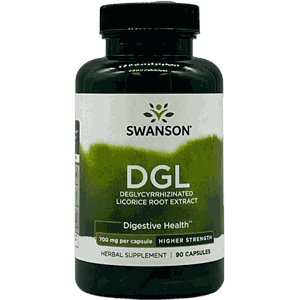
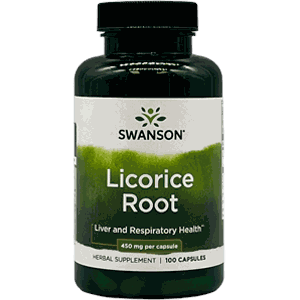
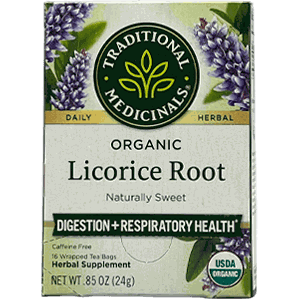
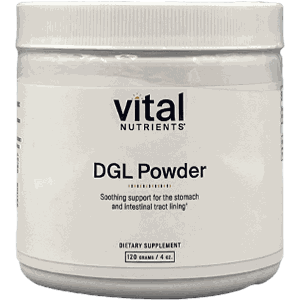
ConsumerLab independently tested 11 licorice and DGL (deglycyrrhizinated licorice) supplements, candies, and tea from the following brands: Natural Factors, Nature’s Way, NOW, Panda, Pure Encapsulations, Swanson, Traditional Medicinals, Vital Nutrients, and Wiley Wallaby.
Each product was purchased at retail and tested for amounts of the key licorice compound glycyrrhizic acid (also referred to as glycyrrhizin), which should be substantial in true licorice root and root extract products but very low in DGL products (see What It Is).
Glycyrrhizic acid provides the characteristic sweetness of licorice but can also raise blood pressure, cause low potassium levels, and have other adverse effects when regularly consumed in moderate to high amounts, which is why it is removed or reduced in DGL products (see Concerns & Cautions).
Amounts of glycyrrhizic acid found per serving ranged as follows:
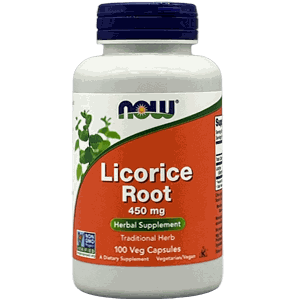
- In licorice root capsules: 23.8 mg to 29.7 mg
- In licorice root candies: 14.5 mg to 31.6 mg
- In licorice root tea: 46 mg
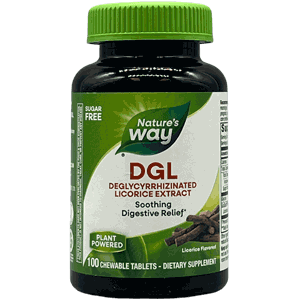
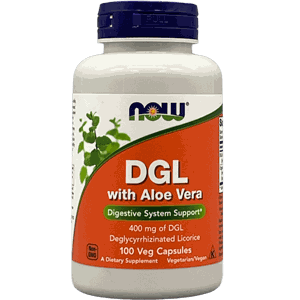
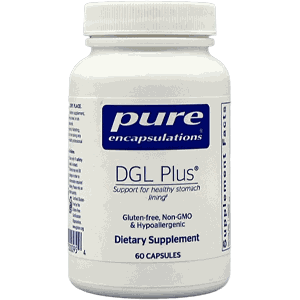
- In DGL capsules, chewable tablets, and powder: <0.3 mg to 7.6 mg
Three DGL products were NOT APPROVED for having more glycyrrhizic acid than expected by ConsumerLab (see What CL Found and How Products Were Evaluated).
Heavy metal levels were generally extremely low in all products
Which licorice and DGL products are best?


Among products APPROVED for Quality by ConsumerLab.com, ConsumerLab chose, in each category, a Top Pick based on the amounts of glycyrrhizic acid found, lack of heavy metal contamination, and favorable price.
See Top Picks for:
- Licorice root capsules
- Licorice root candies
- Licorice root tea
- DGL capsules
- DGL chewable tablets
- DGL powder
Which licorice and DGL products are best?
Licorice root is popular in candy, such as black licorice, due to its herbal flavor and sweetness. Anecdotal evidence has suggested that licorice might be beneficial for conditions such as adrenal insufficiency or chronic fatigue syndrome, but no clinical studies have confirmed this. DGL is typically used for reflux and other digestive issues, although the evidence is weak (see What It Does).