ConsumerLab.com uses JavaScript to provide the best possible experience for our content, but your browser has it disabled. Learn how to enable it here.
In addition the results of its expert testing, ConsumerLab uses only high-quality, evidence based, information sources. These sources include peer-reviewed studies and information from agencies such as the FDA and USDA, and the National Academy of Medicine. On evolving topics, studies from pre-print journals may be sourced. All of our content is reviewed by medical doctors and doctoral-level experts in pharmacology, toxicology, and chemistry. We continually update and medically review our information to keep our content trustworthy, accurate, and reliable. The following sources are referenced in this article:
Elderberry is a small purple berry from the European (or black) elder bush (Sambucus nigra). Among the berry's chemical constituents are phenolic compounds that include anthocyanosides that laboratory tests show to have immune-stimulating, anti-microbial, and other properties (see What It Is).
What does elderberry do?
Small, company-funded clinical studies have shown various elderberry extracts to reduce the duration of cold and flu symptoms, but they do not prevent colds or flu. The chemical make-up of these extracts and the most effective dosing, however, has not been well-defined (see What It Does).
What did CL's tests of elderberry find?
ConsumerLab found that the amounts of anthocyanosides in elderberry products ranged more than 2,000-fold — from as little as 0.02 mg to 69.3 mg per suggested serving. This suggests that each product was made with at least some, if not a large amount, of elderberry. However, it is still not clear what amount, if any, indicates that a product will be effective. Even two versions of a popular and clinically-tested elderberry brand differed significantly in their amounts of anthocyanosides and neither formulation exactly matched what was shown to work clinically (see What CL Found and How Products Were Evaluated).
Which is the best elderberry supplement?
Due to a lack of clinical and scientific research, it remains difficult to know whether any of the elderberry supplements truly work. However, for those still interested in trying elderberry, CL selected two Top Picks for Elderberry — one that provides the most anthocyanosides and the other that appears to be most similar (although not identical) to a product shown to work clinically.
Elderberry safety and side effects:
Elderberry supplements are generally well tolerated, although allergic reactions can occur. Do not eat raw elderberries, as they can be toxic. For more details see Concerns and Cautions.
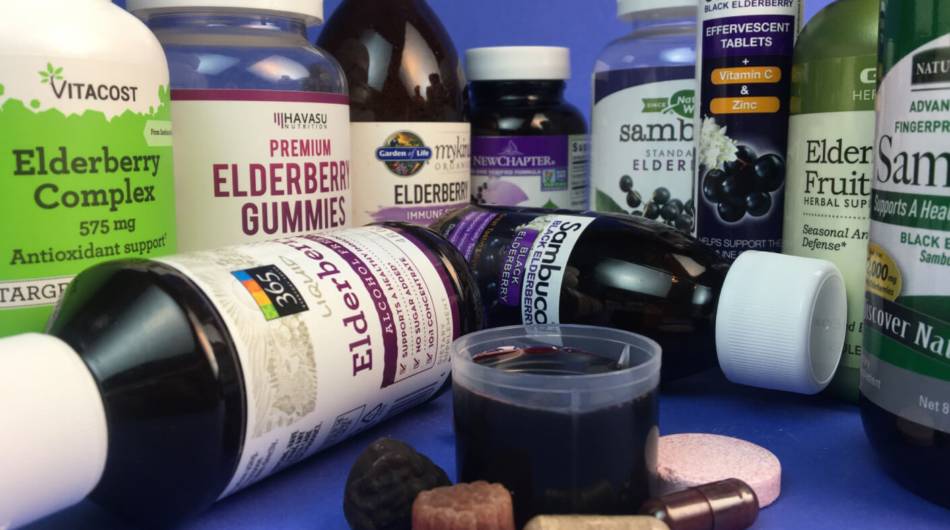
Elderberry supplements compared in this review
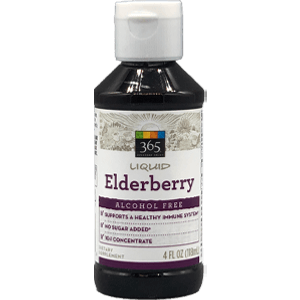
365 [Whole Foods] Liquid Elderberry
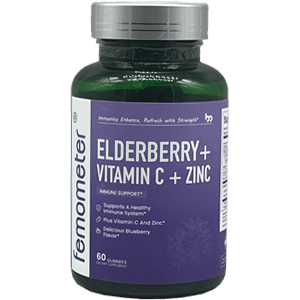
Femometer Elderberry + Vitamin C + Zinc
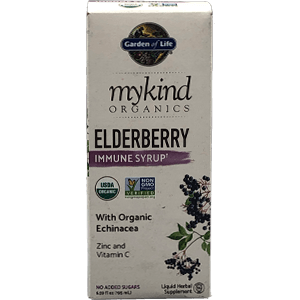
Garden of Life mykind Organics Elderberry Immune Syrup
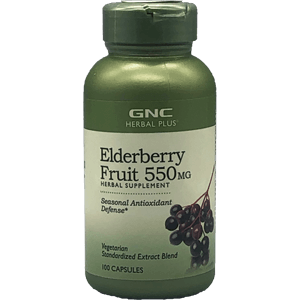
GNC Elderberry Fruit 550 mg
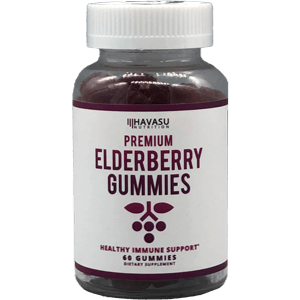
Havasu Nutrition Premium Elderberry Gummies
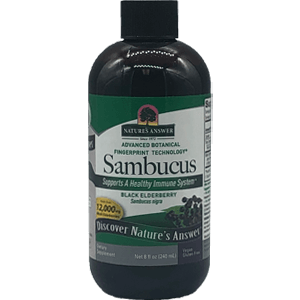
Nature's Answer Sambucus
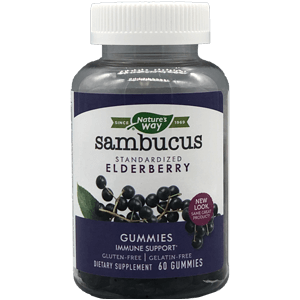
Nature's Way Sambucus Standardized Elderberry
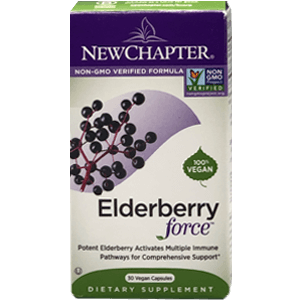
New Chapter Elderberry Force
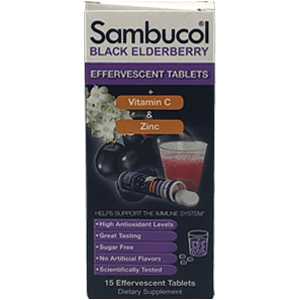
Sambucol Black Elderberry
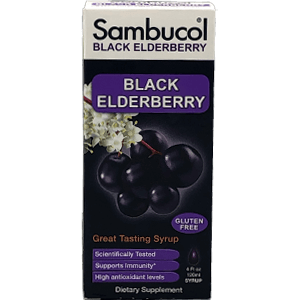
Sambucol Black Elderberry Syrup
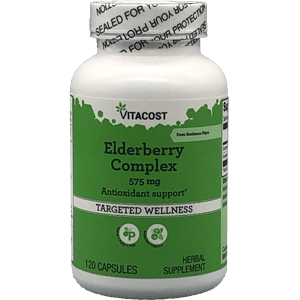
Vitacost Elderberry Complex
You must be a member to get the full test results along with ConsumerLab.com's recommendations and quality ratings for popular elderberry supplements, including capsules, gummies, tablets and liquids. You will get results for seven elderberry supplements selected for testing by ConsumerLab as well as for four others that passed the same testing in CL's voluntary Quality Certification Program.
In this comprehensive review of elderberry supplements you'll learn:
Which elderberry supplements failed our tests and which ones passed
CL's Top Picks among products based on elderberry formulas used in clinical studies, anthocyanoside content, quality, and price
The health benefits of elderberry supplements, and evidence for and against elderberry for fighting colds and flus and for cardiovascular health
How to take and store elderberry supplements
Safety and other potential concerns with elderberry supplements
Make sure you're choosing the best elderberry supplements approved in our tests!
For a Limited Time, Become a Member for $1.25/week
More than two-thirds of elderberry supplements sold on Amazon did not contain authentic elderberry in a recent study. Although brands were not identified, learn what was actually found in the Quality Concerns section of our Elderberry Supplements Review.
Does Elderberry Help With Flu Symptoms?
September 22, 2020
Did giving Sambucol (an elderberry extract) to people diagnosed with flu reduce the severity or shorten the duration of symptoms? Find out what a recent study showed in the What It Does section of our Elderberry Supplements Review. Also see our Top Picks among elderberry supplements.
As a ConsumerLab.com member, you may print a copy of this report for your personal use.
You can access a special print version by clicking the "Print" icon in the upper right corner of this report.
You can then use your web browser's print functions to print the whole report or just selected pages.
You may also email or post a link to this report using the web address above.
Non-members using the link will see a free summary and can join to view the full report.
Other means of copying or distributing this report, in part or full, are not permitted.
If you are sight-impaired and your computer is having trouble converting the text in this report to speech,
contact us for assistance at Membership@ConsumerLab.com or by
phone at 914-722-9149.
The "Latest Update" date indicates when new clinical or product information was most recently added. In the full review (available to CL members), the newest information is highlighted in yellow and, if a new product is added, it is footnoted in the results table, showing the date added to the review. The year(s) when testing was completed for the products in the review appears at the end of the Summary section.