ConsumerLab.com uses JavaScript to provide the best possible experience for our content, but your browser has it disabled. Learn how to enable it here.
Essential oils are oils that give a plant its "essence," i.e., its specific odor and flavor and are made from specific parts plants using steam distillation. However, essential oils are not essential for human health (unlike essential minerals and vitamins). Adulteration of essential oils has been reported in the marketplace with less expensive or synthetic oils, but authentic lavender and tea tree essential oils can be identified by chemical analysis. (See What It Is)
What are the benefits of lavender and tea tree essential oil?
Lavender oil appears to be effective at reducing anxiety when used as aromatherapy or orally (at a small dose), although it is not clear if it is effective in massage therapy. Tea tree oil is primarily used topically in treating mild skin ailments or their symptoms. (See What It Does)
Which is the best lavender essential oil?
ConsumerLab's tests showed that popular brands of lavender oil were authentic, based on their chemical composition and not contaminated with heavy metals or microbes (see What CL Found and How Products Were Evaluated). However, there was a significant cost difference, and one product provided superior value and was ConsumerLab's Top Pick for lavender essential oil.
Which is the best tea tree essential oil?
ConsumerLab's tests showed some variation in the chemical composition of popular brands of tea tree oils. Although all were deemed to be authentic and not contaminated with heavy metals or microbes (see What CL Found), one more closely matched standards, provided superior value, and was ConsumerLab's Top Pick for tea tree essential oil.
Are lavender and tea tree essential oils safe?
Due to high concentrations of particular compounds, essential oils should generally be diluted if applied to the skin, and tea tree oil should not be consumed orally. Lavender and tea tree oil may also trigger sensitivities and allergic reactions. They are not for use by children or pregnant women. For more details, see Concerns and Cautions.
Products tested in 2022
+— 60 sources
In addition the results of its expert testing, ConsumerLab uses only high-quality, evidence based, information sources. These sources include peer-reviewed studies and information from agencies such as the FDA and USDA, and the National Academy of Medicine. On evolving topics, studies from pre-print journals may be sourced. All of our content is reviewed by medical doctors and doctoral-level experts in pharmacology, toxicology, and chemistry. We continually update and medically review our information to keep our content trustworthy, accurate, and reliable. The following sources are referenced in this article:
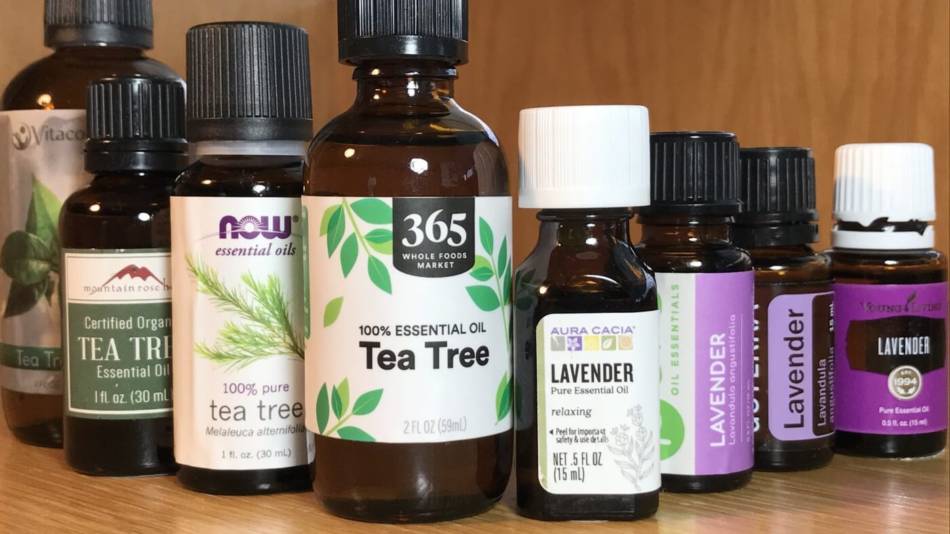
Alphabetical list of lavender and tea tree essential oils compared in this review
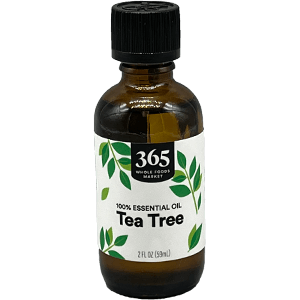
365 Tea Tree
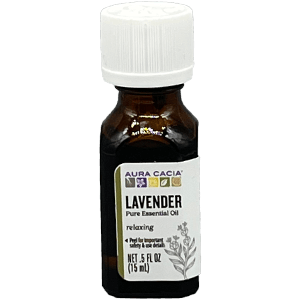
Aura Cacia Lavender
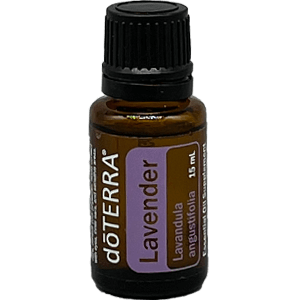
DoTERRA Lavender
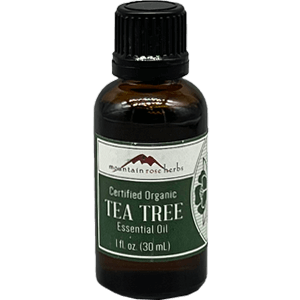
Mountain Rose Herbs Tea Tree
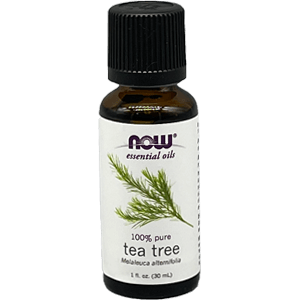
NOW Essential Oils 100% Pure Tea Tree
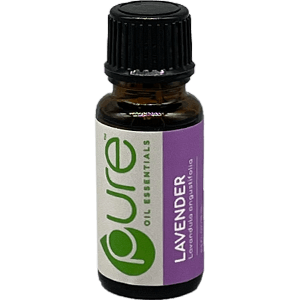
Pure Oil Essentials Lavender
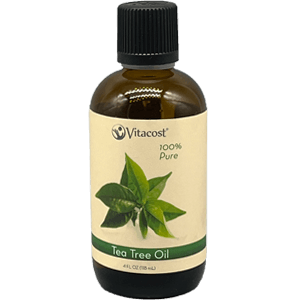
Vitacost Tea Tree Oil
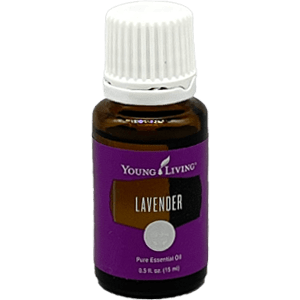
Young Living Lavender
You must be a member to get the full test results, along with ConsumerLab's recommendations. You'll get results for 8 lavender and tea tree essential oils selected for testing by ConsumerLab.
In this comprehensive review, you'll discover:
Which lavender and tea tree essential oils failed testing, which passed, and which are CL's Top Picks
How compare on amounts of key compounds, purity, including heavy metal and microbial contamination, as well as price
The clinical evidence for using lavender essential oil and tea tree essential oil for anxiety, sleep, respiratory infections and more
When and how to safely use lavender and tea tree essential oils, including which oils should and should not be taken orally and whether they essential oils can be used with humidifiers
Safety concerns and cautions with lavender and tea tree essential oils, including potential allergic reactions, and precautions with pets
Make sure you're choosing the best lavender or tea tree essential oil approved in our tests!
For a Limited Time, Become a Member for $1.25/week
Tests by an independent research group found phthalates (plasticizers that can cause hormone disruption) in several popular lavender essential oil products. Find out how these amounts compare to safety limits in the Quality Concerns section of our Lavender and Tea Tree Essential Oils Review, which includes our Top Picks for lavender oil.
Tea Tree Oil for Cold Sores?
January 27, 2025
Tea tree oil has been traditionally used for healing cold sores, but does it work? Find out what research suggests in the Tea tree oil section of our Essential Oils Review, which includes our Top Pick for tea tree oil as well as for lavender oil.
Young Living Essential Oils has agreed to pay $5 million dollars to settle a class action lawsuit regarding a "therapeutic" claim in marketing its essential oils, including one that we tested in our Lavender and Tea Tree Essential Oils Review. See settlement details in our Recalls & Warnings section.
Lavender Oil for Shingles Nerve Pain?
February 21, 2024
Does lavender oil aromatherapy reduce nerve pain after shingles? Find out what a recent study showed in the Lavender oil section of our Lavender and Tea Tree Essential Oils Review, which includes our Top Picks for lavender oil.
Lavender Oil for Insomnia?
July 25, 2023
Did the aroma of lavender oil improve sleep or reduce hot flashes in postmenopausal women with insomnia? Find out in the What It Does section of our Lavender and Tea Tree Essential Oils Review, which includes our Top Picks among essential oils.
Does spraying the skin with lavender oil reduce the pain of an injection? Find out what a recent study showed in the What It Does section of our Lavender and Tea Tree Essential Oils Review.
As a ConsumerLab.com member, you may print a copy of this report for your personal use.
You can access a special print version by clicking the "Print" icon in the upper right corner of this report.
You can then use your web browser's print functions to print the whole report or just selected pages.
You may also email or post a link to this report using the web address above.
Non-members using the link will see a free summary and can join to view the full report.
Other means of copying or distributing this report, in part or full, are not permitted.
If you are sight-impaired and your computer is having trouble converting the text in this report to speech,
contact us for assistance at Membership@ConsumerLab.com or by
phone at 914-722-9149.
The "Latest Update" date indicates when new clinical or product information was most recently added. In the full review (available to CL members), the newest information is highlighted in yellow and, if a new product is added, it is footnoted in the results table, showing the date added to the review. The year(s) when testing was completed for the products in the review appears at the end of the Summary section.