ConsumerLab.com uses JavaScript to provide the best possible experience for our content, but your browser has it disabled. Learn how to enable it here.
Some research has shown a benefit with lion's mane on certain measures of memory and cognitive function, and possibly depression and anxiety, but results have been inconsistent, and most improvements have been modest, at best. In addition, although laboratory studies suggest that lion's mane may have benefits in nerve injury and gut health, there do not appear to be any clinical studies supporting these uses. (See What It Does for more details.)
There is even less evidence supporting the use of chaga. Although laboratory and animal studies suggest that chaga mycelium may have immune stimulating effects and, in contrast, chaga fruiting body may have immune suppressing effects, there do not appear to be any clinical studies investigating these benefits in people. (See What It Does for more details.)
What is lion's mane and chaga?
Like other types of fungus, lion's mane includes a fruiting body and mycelium. The fruiting body is the portion of the fungus that appears above ground and many people think of as being the "mushroom," while the mycelium is what many people think of as being the "roots." Test tube studies have shown that chemicals in lion's mane called "hericenones" and "erinacines" can promote the production of nerve growth factor in cells of the nervous system. (See What It Is for more details.)
Unlike mushroom-forming fungi like lion's mane, chaga is a fungus that grows as a parasite on trees causing a dark, charcoal-like, rough mass on the surface. This mycelial material (which may incorporate some wood from the tree) is what is mainly used in chaga teas and supplements. Only when the tree dies does chaga form a fruiting body, under the tree bark. Chaga fruiting body is used in some supplements.
What quality concerns exist with lion's mane and chaga supplements?
The FDA has sent warning letters to some manufacturers of lion's mane supplements for not following good manufacturing practices (see Quality Concerns). ConsumerLab has also found that many products on the market are misleadingly labeled as "mushroom" although made with mycelium.
To review and compare the quality of lion's mane and chaga products, ConsumerLab purchased products as a consumer and tested them for beta-glucan, alpha-glucan, and the heavy metals lead, arsenic, cadmium, and mercury. Tablets and caplets were tested to determine if they would properly release their ingredients. (See How Products Were Evaluated and What CL Found.
Which lion's mane and chaga supplements are best?
Based on ConsumerLab's review and testing, it identified one lion's mushroom supplement that passed all tests and was reasonably priced, as well as two chaga supplements. (See Top Picks.)
What are the side effects of lion's mane and chaga?
Use of lion's mane may cause abdominal discomfort, nausea, and allergic reactions in some people. It carries a slight risk of causing bleeding and it should be avoided in people with a history of the autoimmune condition known as HMGCR IMNM. Chaga is naturally high in oxalic acid, which can contribution to kidney stone formation and cause kidney injury if taken in high doses, long-term. People taking blood sugar lowering medication or blood thinning drugs should consult with a physician before using chaga. (See Concerns and Cautions for more details.)
In addition the results of its expert testing, ConsumerLab uses only high-quality, evidence based, information sources. These sources include peer-reviewed studies and information from agencies such as the FDA and USDA, and the National Academy of Medicine. On evolving topics, studies from pre-print journals may be sourced. All of our content is reviewed by medical doctors and doctoral-level experts in pharmacology, toxicology, and chemistry. We continually update and medically review our information to keep our content trustworthy, accurate, and reliable. The following sources are referenced in this article:
Alphabetical list of lion's mane and chaga supplements compared in this review
BulkSupplements.com Chaga Mushroom Extract
Four Sigmatic Instant Coffee Mix With Lion's Mane & Chaga Mushrooms
Gaia Herbs Lion's Mane Mushroom
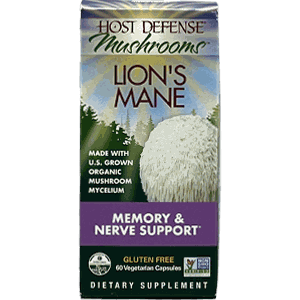
Host Defense Mushrooms Lion's Mane
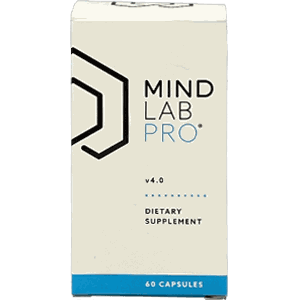
Mind Lab Pro
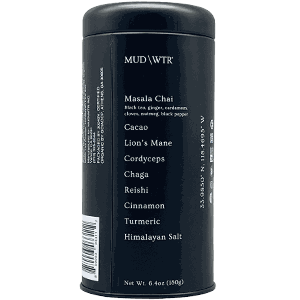
MUD\WTR
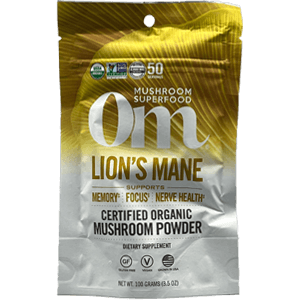
Om Mushroom Superfood Lion's Mane
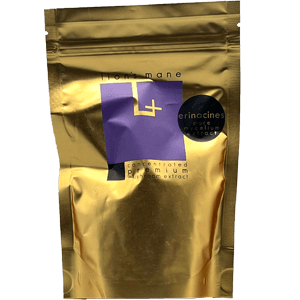
Oriveda Lion's Mane Erinacines Pure Mycelium Extract
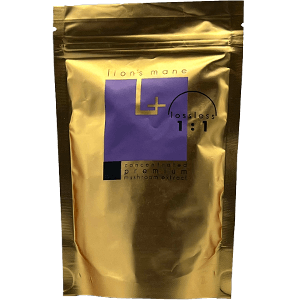
Oriveda Lion's Mane Lossless 1:1
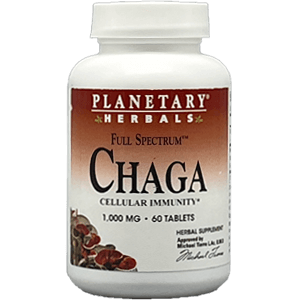
Planetary Herbals Full Spectrum Chaga
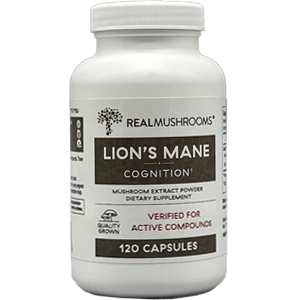
Real Mushrooms Lion's Mane
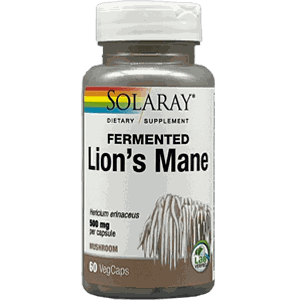
Solaray Fermented Lion's Mane
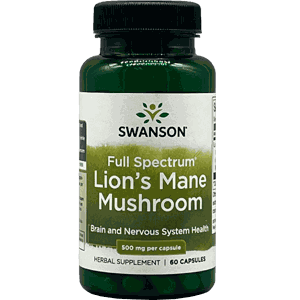
Swanson Full Spectrum Lion's Mane Mushroom
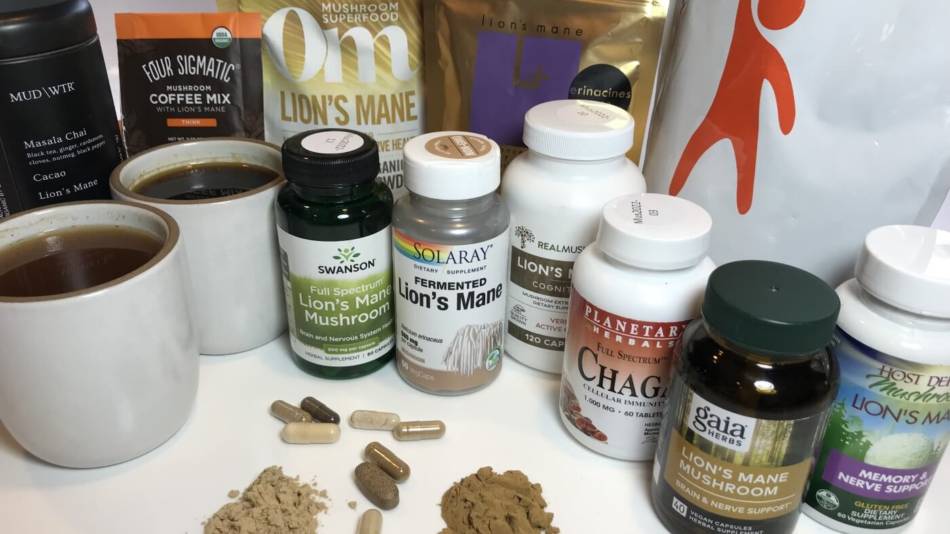
You must be a member to get the full test results, along with ConsumerLab's recommendations. You'll get results for 12 lion's mane and/or chaga supplements, including tablets, capsules, powders, and mushroom "coffee," selected for testing by ConsumerLab.
In this comprehensive review, you'll discover:
Which lion's mane and chaga supplements failed testing, which passed, and which are CL's Top Picks
How lion's mane and chaga supplements compare on amounts of marker compounds beta-glucan and alpha-glucan and potential contamination with heavy metals such as lead, cadmium and arsenic as well as quality and price
The clinical evidence for and against lion's mane and chaga supplements for boosting memory and cognitive function, enhancing the immune system, improving mood, supporting gut health, and other promoted health benefits
Dosage and what to look for on lion's mane and chaga labels, including differences between true mushroom (fruiting body) and mycelium
Safety concerns and cautions with lion's mane and chaga supplements, including potential allergic reactions, gastrointestinal side effects such as nausea, risk of kidney stones and kidney injury, and potential drug interactions
Make sure you're choosing the best lion's mane or chaga supplement approved in our tests!
For a Limited Time, Become a Member for $1.25/week
If you are looking to purchase a chaga supplement, you may want to avoid a certain type of chaga, according to a recent study. For details, see the ConsumerTips section of our Lion's Mane and Chaga Supplements Review, which includes our Top Picks for chaga as well as for lion’s mane.
Lion’s Mane for Cognition?
April 17, 2025
Did taking lion’s mane improve cognition or mood in a recent study? Find out in the What It Does section of our Lion's Mane and Chaga Supplements Review, which includes our Top Pick for lion’s mane.
A mushroom supplement maker has won a lawsuit against a company allegedly selling counterfeit versions of its products, including on Amazon. Details are in our article: Where to Safely Buy Real Vitamins and Supplements Online.
Counterfeit versions of psyllium, a multivitamin, magnesium, and eight other types of supplements from a major brand have been sold online. Details and how to avoid this are in our Psyllium Supplements Review.
A popular brand of mushroom supplements has also reported counterfeit versions of its products. Details and how to avoid this are in our Lion's Mane Review.
Can mushroom supplements interfere with tests for fungal infections? Find out in the Concerns and Cautions section of the Lion's Mane and Chaga Supplements Review as well as in our Reishi Supplements Review.
As a ConsumerLab.com member, you may print a copy of this report for your personal use.
You can access a special print version by clicking the "Print" icon in the upper right corner of this report.
You can then use your web browser's print functions to print the whole report or just selected pages.
You may also email or post a link to this report using the web address above.
Non-members using the link will see a free summary and can join to view the full report.
Other means of copying or distributing this report, in part or full, are not permitted.
If you are sight-impaired and your computer is having trouble converting the text in this report to speech,
contact us for assistance at Membership@ConsumerLab.com or by
phone at 914-722-9149.
The "Latest Update" date indicates when new clinical or product information was most recently added. In the full review (available to CL members), the newest information is highlighted in yellow and, if a new product is added, it is footnoted in the results table, showing the date added to the review. The year(s) when testing was completed for the products in the review appears at the end of the Summary section.