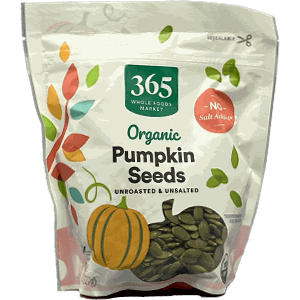
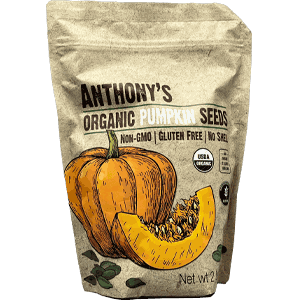
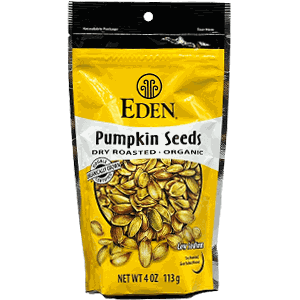
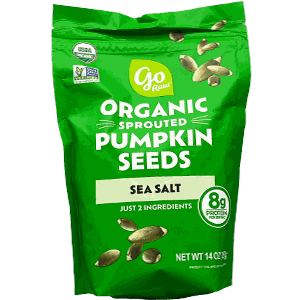
Published
August 29, 2024
Preview Our Test Results
Here's a look at our independent findings. Become a member for full results for every product, Top Picks,
and more.
Quick Summary
-
What did ConsumerLab's tests of pumpkin seeds reveal?
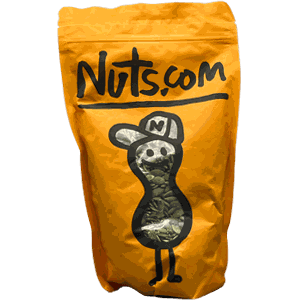
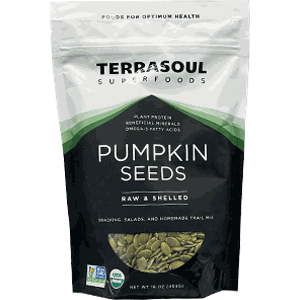
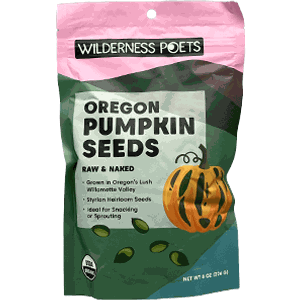
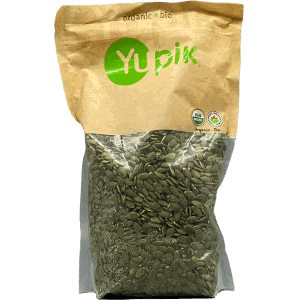
Our tests showed generally high quality among pumpkin seeds. Most had no microbial contamination, and just one had a slight presence of mold and yeast. In addition, our tests for toxic heavy metals found that all had very low levels of lead and arsenic, and only one had a detectable amount of cadmium, at a low level. The products contained virtually no mercury. Two “salted” products contained less sodium than listed (see What CL Found and How Products Were Evaluated).

Which are the best pumpkin seeds?
Among the products that passed testing and were "Approved" for their quality, CL selected two as Top Picks among unsalted pumpkin seeds and one as its Top Pick among salted pumpkin seeds, based on quality, taste, and value .-
What are the nutritional benefits of pumpkin seeds?
Pumpkin seeds are rich in healthy, unsaturated oils and provide significant amounts of protein, fiber-rich carbohydrates, magnesium, phosphorus, zinc and iron and small amounts of other minerals and vitamins. They also contain beta-sitosterol and tryptophan, although amounts per serving are lower than typically used therapeutically (see What It Is).
-
What's the difference between pumpkin seeds that are raw, dried, roasted, and sprouted?
Not much, although roasted seeds have less water than raw or dried seeds (about 1% vs. about 5% of total weight), resulting in slightly higher amounts of other nutrients. Styrian (Austrian) pumpkin seeds have a little less fat, a little more fiber, and are darker and larger than regular pumpkin seeds (see What CL Found).
-
Pumpkin seed safety and side effects:
The fiber content of pumpkin seeds may cause some gastrointestinal side effects and, although rare, may cause allergic reactions (see Concerns and Cautions).
See our separate
Sunflower Seeds & Butters Review and
Flaxseed and Other Seed Oils Supplements.
Products tested in 2024
+— 6 sources
In addition the results of its expert testing, ConsumerLab uses only high-quality, evidence based, information sources. These sources include peer-reviewed studies and information from agencies such as the FDA and USDA, and the National Academy of Medicine. On evolving topics, studies from pre-print journals may be sourced. All of our content is reviewed by medical doctors and doctoral-level experts in pharmacology, toxicology, and chemistry. We continually update and medically review our information to keep our content trustworthy, accurate, and reliable. The following sources are referenced in this article:
You must
be a member to get the full test results along with ConsumerLab.com recommendations and quality ratings. You will get results for 8 pumpkin seeds selected for testing by ConsumerLab.com.
In this comprehensive review, you'll discover:
 Which pumkin seeds failed our tests and which ones passed
- CL's Top Picks among products as the best pumpkin seeds based on quality, taste, and value
- The nutritional content of pumpkin seeds, including amounts of protein, fats (including amounts of linoleic acid, an omega-6 fatty acid) and vitamins and minerals such as magnesium, potassium, iron, and zinc
- Whether there are differences between raw, dried, roasted, and sprouted pumpkin seeds
- Whether pumpkin seed products, including organic seed, are contaminated with heavy metals such as lead, cadmium, arsenic and mercury
- The best way to store pumpkin seeds
- Safety and other potential concerns with consuming pumpkin seeds
As a ConsumerLab.com member, you may print a copy of this report for your personal use.
You can access a special print version by clicking the "Print" icon in the upper right corner of this report.
You can then use your web browser's print functions to print the whole report or just selected pages.
You may also email or post a link to this report using the web address above.
Non-members using the link will see a free summary and can join to view the full report.
Other means of copying or distributing this report, in part or full, are not permitted.
If you are sight-impaired and your computer is having trouble converting the text in this report to speech,
contact us for assistance at Membership@ConsumerLab.com or by
phone at 914-722-9149.