



ConsumerLab.com uses JavaScript to provide the best possible experience for our content, but your browser has it disabled. Learn how to enable it here.

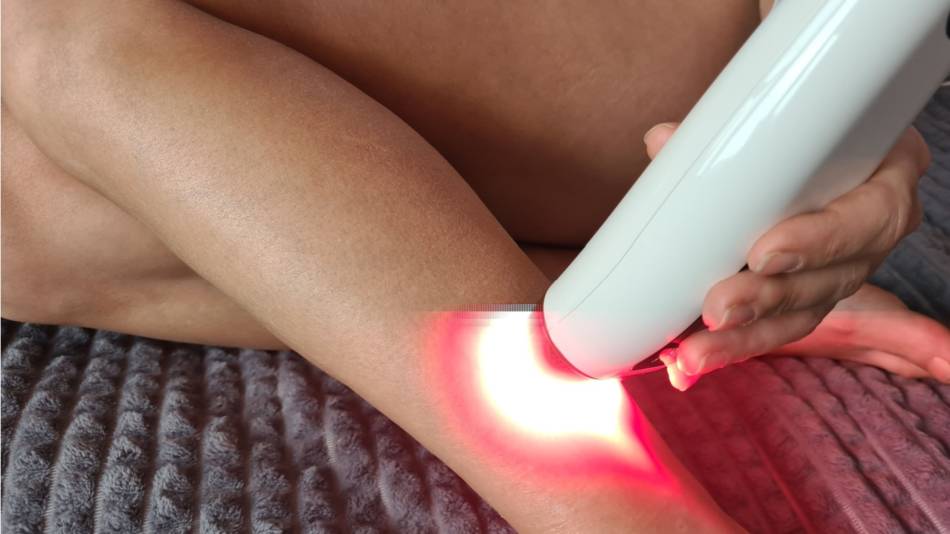
Woman using a red light device on her lower leg

Answer:

Red and near infrared (NIR) light therapy, also known as photobiomodulation, involves exposing skin to low level wavelengths of red light (usually 600 to 680 nm) or NIR light (typically 800 to 850 nm) using light emitting diodes (LEDs) or lasers. Although being out in the sun would also expose the skin to these wavelengths of light, red and NIR light devices do not produce UV light and thus have the advantage of avoiding UV-related side effects such as sunburn, photoaging, and DNA damage (Jagdeo, J Biophotonics 2020).

Although red and NIR light therapy devices have been evaluated in clinical research for numerous conditions, with some positive results, in general there is not enough available information to recommend these devices for any specific condition.

Nevertheless, the FDA has "cleared" some of these devices for specific uses — but the review process for FDA clearance is not the same as for FDA approval, which requires more rigorous evaluation of safety and effectiveness. Clearance does not require a device manufacturer to provide clinical data confirming safety and effectiveness, while Premarket "Approval" (PMA), used by the FDA to evaluate higher risk (class III) medical devices (such as replacement heart valves or pacemakers), does require a manufacturer to provide clinical data confirming safety and efficacy (FDA, 7/28/2014). (For more details, see the discussion at the end of this article.)

Also be aware that some devices promoted for at-home use may not be as powerful as those used in the clinical studies discussed in this article. In fact, a review of 132 social media posts promoting at-home red light therapy devices found that only 11 posts cited specific studies and the recommended devices typically did not match the devices assessed in the studies in terms of wavelength, power, and duration of dose (Merkle, Cureus 2026).

(Note: ConsumerLab has not tested red or NIR light therapy devices to confirm the accuracy of label claims of these devices.)

How do red and near infrared light therapy work?

Red light is believed to penetrate only 1 to 2 mm into the skin, while NIR light can penetrate tissue by 30 to 40 mm (3 to 4 centimeters) (Yadav, Photodermatol Photoimmunol Photomed 2017). After penetrating the skin, the light is absorbed by a specific copper-containing enzyme (called cytochrome c oxidase) that is involved in mitochondrial function, oxygen use, and energy production in cells. Since many age-related diseases have been linked with mitochondrial dysfunction and oxidative stress, it is believed that the effects of red light or NIR light therapy may help prevent or alleviate such age-related conditions by improving mitochondrial function and reducing oxidative stress (Heiskanen, Photochem Photobiol Sci 2019; Avci, Semin Cutan Med Surg 2013). However, despite some promising clinical evidence, more research is needed to confirm the effectiveness of red light or NIR light therapy for treating any condition.

Possible health benefits

Acne

Red light has been shown to increase the release of anti-inflammatory proteins from white blood cells in laboratory research, and preliminary clinical research suggested that using a portable red light therapy device (635-670 nm, 6 mW, total dose 604.8 J/cm2) for 15 minutes twice daily for 8 weeks reduced the count of inflammatory and non-inflammatory acne lesions compared to no treatment (Na, Dermatol Surg 2007). However, a later analysis of data from 13 clinical studies involving 422 people (age range: 12-54 years) with moderate to severe acne vulgaris found that red light therapy (primarily used alone, along with blue light, or in combination with topical aminolevulinic acid — a prescription-only, topical compound that, upon exposure to red light, is converted to a photosensitizer thought to have antimicrobial and anti-inflammatory effects) did not significantly reduce the number of non-inflammatory or inflammatory lesions compared to control, regardless of the type of lesions (comedones, pustules, papules and erythema) (Wu, JCD 2021). In 2024, the American Academy of Dermatology stated that there is not enough information available to develop a recommendation on the use of red light (635 to 670 nm, alone, or combined with blue light), infrared light-emitting diode, or red light in combination with aminolevulinic acid for acne treatment (Reynolds, J Am Acad Dermatol 2024).

In contrast to the conclusions above, a more limited review in 2025 that looked only at results of 6 studies of mild and moderate acne using "at-home" devices conducted between 2006 and 2016 (involving 216 people) concluded that, "At-home LED devices, particularly those that combine red and blue light, are efficacious for acne and can likely complement other over-the-counter and prescription treatments." Red light devices in the review operated at wavelengths of 630 to 670 nm, and blue light devices operated at 414 to 445 nm. The review found about a 45% improvement, which was typically noted after 4 to 12 weeks of use, and no severe adverse reactions other than mild dryness, erythema, or discomfort or pain during light therapy. However, the review noted the possibility of bias in the underlying included studies due to limited regulation of the at-home LED device market (Ershadi, research letter in JAMA Derm 2025).

Actinic keratosis

The American Academy of Dermatology states that there is low quality evidence that applying red light to the affected skin 1 to 4 hours after applying the prescription photosensitizer 5-aminolevulinic acid (ALA) may help treat actinic keratosis (rough, scaly patches on the skin caused by long-term sun exposure). Analysis of data from four clinical studies showed that receiving up to two sessions of ALA-red light therapy led to complete clearance of actinic keratosis in 77.1% of people compared to 16.6% of people treated with red light alone (i.e., without photosensitizer) (Eisen, J Am Acad Dermatol 2021). Topical gel containing 10% aminolevulinic acid hydrochloride (Ameluz), in combination with red light therapy using a specific device (BF-RhodoLED, which emits light at 635 nm and is not available for consumer purchase) is approved for the treatment of mild to moderate actinic keratoses on the face and scalp (Ameluz Topical Gel 10%, Prescribing Information).

Although treatment with ALA and red light therapy appears to be more effective on the face and scalp than on the forearms and hands (de Berker, BJD 2017), and Ameluz is approved specifically for use on the face and scalp, a study among 21 people (average age 72) with actinic keratosis on the hands showed that undergoing one or two sessions in which ALA (Ameluz) was applied three hours prior to applying red light therapy (635 nm, 37 J/cm2) for 10 minutes resulted in complete clearance in 90.9% of participants compared to only 18.6% of those treated with red light therapy alone (Ulrich, Photodiagnosis Photodyn Ther 2024).

Reducing skin aging

A specific light device — the Omnilux Contour Face Mask by GlobalMed Technologies — was cleared by the FDA for wrinkle reduction in 2019. The device has LED bulbs that emit both red (633 nanometers) and near-infrared (830 nanometers) wavelengths of light to promote cellular repair and increase production of collagen and elastin. A small clinical study published on the manufacturer's website that included 25 adults (average age 49), most of whom were women, showed that using the Omnilux Contour Face LED Mask along with a hydrogel mask (to help increase light penetration into the skin) for 10 minutes, three times weekly for 4 weeks, improved smoothness by 39%, scaling by 21%, the number of wrinkles by 38%, elasticity by 29% and hydration by 19% at one week after treatment ended compared to baseline. However, there was no improvement in skin pigmentation. Although promising, this study did not include a placebo-control group, which is needed to prove any benefit.

Vitiligo

Light therapy treatment for vitiligo often involves exposure to ultraviolet A or narrowband ultraviolet B (NB-UVB) radiation, with the latter being preferred due to fewer side effects (Mohammad, Photodermatol Photoimmunol Photomed 2017), but some preliminary clinical evidence suggests that red light therapy may also be beneficial. A study among 30 people with segmental vitiligo (i.e., affecting only one area of the body) showed that delivering red light (633 nm, 10 mW power output, 3.0 J/cm2 energy density) using a helium-neon laser device (OMNIPROBE Laser Biostimulation System by Physio Technology Ltd) to the neck and head once or twice weekly for a total of 16 sessions achieved 100% repigmentation in 10% of the participants and 50% repigmentation in 60% by the end of the study (Yu, J Invest Dermatol 2003). Another study using the same device among 40 people with segmental vitiligo found similar results (Wu, Kaohsiung J Med Sci 2008). However, both studies lacked a control group, which is needed to prove a benefit.

Be aware that studies investigating red light therapy for vitiligo have used laser devices, while most red light therapy devices available for OTC use utilize LEDs, and there is debate about whether LED devices would have similar effects as laser devices (Heiskanen, Photochem Photobiol Sci 2019).

Herpes simplex infection (cold sores)

A study among 48 adults with recurrent cold sores, all of whom had been treated with a 4-week course of acyclovir at least 3 months before the study, showed that exposing the site of the original cold sore to low-intensity laser therapy (80 mW, 690 nm continuous wave diode laser) for 10 minutes (area exposed: 1 cm2, intensity: 80 mW/cm2, dose: 48 J/cm2) once daily for two weeks significantly increased the time until recurrence to 37.5 weeks compared to only 3 weeks among those in the placebo group (who underwent sham laser therapy, i.e., the laser was turned off) (Schindl, J Invest Dermatol 1999). However, more research is needed to confirm these results.

Hair loss

Red light therapy involving low-level light lasers and/or LED (light-emitting diode) hair devices may modestly increase hair growth and hair density in people with mild to moderate androgenetic alopecia (male and female pattern baldness). Red light therapy may also improve outcomes in people using topical minoxidil. However, be aware that most clinical trials have been company-funded, and caps and helmets used for this treatment can be expensive. For details, see the Light Therapy section of our article about supplements and devices for hair loss.

Knee osteoarthritis

As described below, there is mixed evidence about whether red light therapy is beneficial for knee osteoarthritis and it is unclear what amount of light irradiation, if any, would be optimal (Zhang, Front Cell Dev Biol 2023).

In a study of 50 adults with knee osteoarthritis, applying red light (633 nm helium-neon low-power laser) to both sides of the knee for 15 minutes (7.5 minutes of continuous wave and 7.5 minutes of pulse wave treatment) twice daily (total energy delivered: 10.3 J) for 10 days reduced self-reported pain by 3.2 points (on a scale of 0 to 10) and improved function (i.e., reduced disability) by 0.268 (on a scale of 0 to 3) compared to baseline, and these improvements were significant compared to a placebo group. Participants in the red light group experienced a return to baseline pain levels after about 4 months (Stelian, J Am Geriatr Soc 1992).

On the other hand, a study among 60 adults (average age 66) with knee osteoarthritis who exercised for 50 minutes twice weekly showed that using a specific red light device (PainAway/PainCure by Multi Radiance Medical, which was cleared by the FDA in 2008 for temporary relief of arthritis and other pain conditions) on three regions of the knee for one minute per region (energy per region: 7.85 J) twice weekly immediately after exercising for 5 weeks did not result in a statistically significantly improvement in function, pressure pain threshold, muscle strength or balance compared to exercise plus placebo, although pain was reduced by 3.7 points (on a scale of 0 to 10) for those in the light therapy group compared to only 1.25 points for the placebo group. The device included one 905 nm super-pulsed diode laser (peak power: 8.5 W; frequency: 1000 Hz; mean power of each diode: 0.9 mW), four 875 nm infrared emitting diodes (mean power of each diode: 17.5 mW) and four 640 nm red light diodes (mean power of each diode: 15 mW) (Gomes, Laser Surg Med 2018).

The Move+ Pro by Kineon claims to have been cleared by the FDA for reducing joint pain, but this is not accurate. It was cleared for use only for therapeutic heating (see below for more details). The device does not appear to have been evaluated for treating knee osteoarthritis, or other joint pain conditions, in any published clinical studies. The device includes eight 660 nm red LEDs and ten 808 nm infrared lasers per device.

Fibromyalgia

A specific light device — the FibroLux Therapy System by Multi Radiance Medical — was cleared by the FDA in 2022 for treating fibromyalgia with a prescription. A clinical study in Brazil among 90 women (average age 46) with fibromyalgia showed that applying the FibroLux to pain regions for 2 minutes per region (dose: 60 J per region) three times weekly for 3 weeks reduced the average number of tender points from about 15 to 7, which was significant compared to the placebo group that showed a reduction to only about 12 tender points. Self-reported pain was also reduced in the FibroLux group by about 43 points (on a scale of 0 to 100) compared to only about an 18-point reduction in the placebo group (Ribeiro, Eur J Phys Rehabil Med 2023). Keep in mind that the FibroLux won't cure fibromyalgia, and it is unknown whether the benefits persist long-term. The device includes eight red LEDs (630 nm), eight infrared LEDs (850 nm), and four super-pulsed infrared lasers (905 nm).

Temporomandibular Disorders

A study in Iraq among 50 adults with myofascial pain associated with temporomandibular disorders found that those who applied red light therapy using the TenDlite Red Light Device Model 204 (wavelength 660 nm, optical power 1.6 W, equivalent to 1.6 J/s) to the affected area for 3 minutes once weekly for 4 weeks seemed to experience reduced pain compared to baseline. However, participants in the "placebo" group, which used the device but did not turn on the light, also showed a reduction in pain compared to baseline, and the researchers did not report whether the between-group differences were statistically significant (Al-Quisi, Pan Res Treat 2019). This model of TenDlite was cleared by the FDA in 2010 for temporarily improving pain in muscles and joints.

Plantar fasciitis

Several preliminary studies have evaluated near infrared light, with or without red light, for plantar fasciitis, but results have been inconsistent and the benefit, if any, appears to be small.

Plantar fasciitis is a common cause of pain in the heel and bottom of the foot. A study in the U.S. among 18 adults with plantar fasciitis who each received massage and participated in a stretching program showed that applying LED red and NIR light did not significantly reduce pain or improve daily function compared to placebo (i.e., use of sham device), although both groups improved significantly compared to baseline. The device used in the study (Intelect transport Light Therapy by Chattanooga Group) included a 19-diode cluster containing six 625-nm diodes (power: 10 mW), seven 850-nm diodes (power: 25 mW), and six 950-nm diodes (power: 15 mW). Light was applied over the two most painful points along the fascia at 12 J/cm2 for 4.56 minutes per pain point twice weekly for 3 weeks (Higgins, J Chiropr Med 2015).

In contrast, two studies that lacked placebo-controls (needed to prove a benefit), reported some small benefits with near infrared light therapy for people with plantar fasciitis. One of the studies, among members of the U.S. military, found that nine treatments with near infrared laser therapy (LightForce EXPi, LiteCure/LightForce Medical) along with usual care (including stretching and strengthening) for six weeks reduced pain by 1.63 points on a 10-point scale compared to a reduction of only 0.27 points in a control group. Function improved 21% vs. 5% for the control group (Ketz, Int J Sports Phys Ther 2024). A study in Turkey among 48 adults with plantar fasciitis who were participating in a home exercise program and using orthotic shoe support showed that applying near infrared laser light over the plantar fascia for ten sessions over three weeks significantly reduced pain when walking at 3-months follow-up by 4.41 points (on a scale of 0 to 10) compared to a reduction of only 1.82 points in a control group that received the same treatment without near infrared therapy. The total score for functional activity improved slightly more for the light therapy group compared to control (+5.79 vs. +2.23 points on a 50-point scale), but there were no significant between-group differences in most subscales of functional activity including maximum walking distance, walking speed, or cadence improvements. The device used in the study (Chattanooga VECTRA Genisys Laser) emitted 830 nm laser light (power: 100 nW) over five tender points for 80 seconds per point three times weekly for a total of 10 sessions (Cinar, Lasers Med Sci 2018).

Nerve pain (neuropathy)

It is not clear that red or near infrared therapy reduces nerve pain in the feet or hands due to diabetes or chemotherapy.

Diabetic peripheral neuropathy

In general, longer-term studies have reported no benefits using red or near infrared therapy for nerve pain due to diabetes (Perrier, Front Endocrinol (Lausanne) 2024; Wang, Ann Med 2024; Staudt, J Diabetes Sci Technol 2022).

Short-term studies have shown mixed results. A study among 121 people (average age 64) with painful diabetic peripheral neuropathy showed that receiving four seven-minute treatment sessions of near-infrared light therapy (C3 DPN BiPhase photon stimulator by C3 Medical Technologies) to the lower leg and feet typically within a 5-day period did not significantly reduce pain intensity or improve pain relief scores compared to placebo. However, those receiving near-infrared light therapy reported greater improvement in tingling, cramping and itching sensations, as well as increased sensation in both feet compared with placebo. The device emitted 870 nm LED light providing a dose of 1,800 J per seven-minute treatment session (Swislocki, J Pain Symptom Manage 2010). Other short-term studies suggested that light therapy modestly reduced pain, improved sensation threshold, and improved quality of life, but those studies lacked placebo controls, which are necessary to prove a benefit. These studies used red or near infrared light therapy with wavelengths of 632.8 nm or 660 nm + 880 nm, applied over 9 minutes (dose: 3.1 J/cm²) (Perrier, Front Endocrinol (Lausanne) 2024).

Chemotherapy-induced peripheral neuropathy (CINP)

A small study in Belgium among 60 cancer patients with CINP suggested that near-infrared light therapy (6 J/cm2 or 8 J/cm2) twice weekly for 3 weeks slightly reduced the severity of CINP and increased ability to walk compared to baseline, with no significant differences in these outcomes between the lower (6 J/cm2) and higher dose (8 J/cm2) groups. However, the study did not include a placebo group, which is needed to prove benefit (Claes, Eur J Neurol 2023).

Cognition in healthy adults

A study among 25 healthy adults (average age 61) showed that near infrared light therapy, applied using light emitting diodes (LEDs) placed on the scalp (870 nm providing a dose of 52 J/cm2) and in the nose (810 nm providing a dose of 18 J/cm2), for two 20-minutes sessions prior to cognitive testing slightly improved memory by 2.3 points (out of 26 points) compared to baseline. However, it is unclear if this benefit was significant compared to the sham group, as the researchers did not conduct a between-group comparison, which is needed to prove a benefit. Visuospatial ability was improved with near infrared light therapy compared to baseline based on only one of two types of cognitive tests. There were no significant improvements in attention, fluency, language, or mood compared to baseline, and applying the near IR therapy for only 20 minutes did not improve any cognitive measure compared to baseline (Joshi, J Biophotonics 2024).

Mild cognitive impairment (MCI)

A study among 77 adults (average age 64) with mild cognitive impairment showed that a photobiomodulation helmet (brand not specified) that delivered infrared light (850 nm, 102 diodes) and red light (660 nm, 102 diodes), worn for 20 minutes, three times weekly, for a little over 8 weeks improved cognition by 3.2 points (on a scale of 0 to 30) compared to an improvement of only 2 points in the placebo group. This between-group difference, which persisted for nearly 13 weeks after treatment discontinuation, was statistically significant, although the difference may not be clinically meaningful. Wearing the helmet did not significantly improve depression, anxiety, or resilience scores compared to placebo (de Oliveira, J Photochem Photobiol B 2024).

Alzheimer's disease and dementia

Results from applying NIR light to the scalp have shown minimal to no benefit in improving cognitive function and behavior symptoms in people with Alzheimer's disease and dementia, based on small studies.

A study among 8 adults (average age 80) with dementia showed that near infrared light, applied using LEDs placed on the scalp (810 nm providing a dose of 60 J/cm2 to the front of the scalp and 45 J/cm2 to the back) and in the nose (810 nM providing a dose of 15 J/cm2) for 20 minutes per day, three days per week, for 12 weeks slightly improved cognitive function by 5.2 points (on an 80-point scale) and reduced dementia-related behavioral symptoms (e.g., agitation, anxiety, irritability, etc.) by 9.8 points (on a 144-point scale) compared to baseline, while those receiving usual care showed a worsening of cognitive function and behavioral symptoms. The researchers did not report whether the between-group differences were statistically significant. The device used in the study was the Vielight Neuro Gamma Device (Chao, Photobiomodul Photomed Laser Surg 2019).

Another manufacturer-funded study among 9 adults (average age 82) with probable Alzheimer's disease showed that near infrared light, applied by wearing a helmet containing 1,100 LEDs (1,060 to 1,080 nm) for 6 minutes daily for 4 weeks did not significantly improve measures of executive function, including immediate recall, visual attention, and task switching, compared to placebo. The device used in the study was the Cognitolite Transcranial Photomodulation System (Berman, J Neurol Neurosci 2017).

Parkinson's disease

Photobiomodulation was not found to improve motor symptoms of Parkinson's disease in a small, placebo-controlled study. Although another study suggested a benefit in Parkinson's disease, that study did not include a control group, which is needed to prove benefit.

A small study in Australia among 37 men and women (ages 59 to 85) with mild to moderate symptoms of Parkinson's disease showed that wearing a photobiomodulation helmet (SYMBYX Neuro Helmet by Symbyx Pty Ltd, which funded the study) for 24 minutes daily, six times weekly, for 12 weeks did not significantly improve overall motor symptoms, nor did it improve sub-scores for facial, upper limb, or lower limb movement, rigidity, or tremor compared to placebo. The helmet consisted of 40 LED diodes, 20 of which delivered red light (635 nm) for 12 minutes and 20 of which delivered infrared light (810 nm) for the subsequent 12 minutes. The placebo device delivered no light (participants were told it delivered light that could not be seen) (Herkes, eClinicalMedicine 2023; McGee, J Clin Med 2023).

This conflicts with results from an earlier, preliminary study in which 6 people with Parkinson's disease used a photobiomodulation helmet and nasal device (VieLight Neuro Gamma by Vielight Inc.) for 35 minutes, up to three times weekly, for 5 years, along with applying laser light (Symbyx PDCare Laser by Symbyx Pty Ltd) to the stomach and upper back up to three times weekly for the same duration. Those treated experienced improvement in walk speed, stride length, functional mobility (based on timed up-and-go test), balance, and cognition compared to baseline. However, the study did not include a control group, so it is not possible to draw conclusions from these results. The VieLight Neuro Gamma device consisted of 5 LED diodes that delivered near infrared light (810 nm) to the back (3 diodes) and front (1 diode) of the head, as well as into the nose (1 diode) (Liebert, BMC Neurol 2024; Liebert, BMC Neurol 2021).

Eye health

There is mixed evidence for eye-related benefits of red light devices, and there is concern that red light might increase the risk of retinal damage. There do not appear to be any OTC red light devices that are cleared for treating eye conditions.

A small study among 24 healthy adults (age range 28 to 72) suggested that illuminating the eye with red light (670 nm, energy: 40 mW/cm2) for 3 minutes daily for 2 weeks might improve color contrast sensitivity (the ability to discern letters against a similarly colored background) among people about age 40 or older but not younger people. The red light device was 4 cm in diameter and contained ten 670-nm LEDs that were mounted behind a light diffuser (Shinhmar, J Gerontol Series A 2020).

A study among 30 adults with intermediate age-related macular degeneration (AMD) showed that looking at a red light device (670 nm, energy: 40 mW/cm2) for two minutes every morning for 12 months did not significantly improve best-corrected visual acuity, low luminance visual acuity, or other functional or structural eye outcomes compared to baseline. The device included nine LEDs that were mounted behind a light diffuser (Grewal, J Clin Med 2020). On the other hand, a study among 100 adults with dry AMD (the most common type) showed that looking at a multiwavelength photobiomodulation device (Valeda Light Delivery System by LumiThera Inc, which participated in conducting the study) for <5 minutes per eye per session for a total of 36 sessions over 13 months slightly improved best corrected visual acuity scores by about 5 letters compared baseline, while those in the placebo group showed an improvement of only 3 letters. This between-group difference was statistically significant. Fewer people in the Valeda group progressed to new-onset geographic atrophy, an advanced stage of dry AMD, compared to placebo (1.1% vs. 9.8%) (Boyer, Retina 2024). When analyzed after another 18 sessions (total duration: 24 months), those in the Valeda group were 73% less likely to progress to geographic atrophy compared to placebo (Schneiderman, IOVS 2024). Based on this evidence, the Valeda has been authorized by the FDA to treat dry AMD (FDA, 11/4/2024), although the device is used only at ophthalmology offices, may not be covered by insurance, and can be very expensive. The Valeda device produces red (660 nm, energy: 65 mW/cm2), near infrared (850 nm; 0.6 mW/cm2) and yellow light (590 nm; 4 mW/cm2).

A 6-month study in China found that red laser exposure of 3 minutes or more reduced myopia (nearsightedness) progression in children (Dong, Ophthalmology 2023); however, a laboratory study found that such exposure neared or exceeded a luminance dose believed to cause thermal or photochemical damage (Ostrin, Ophthalmic Physiol Opt 2024).

Concerns and cautions

In clinical studies, use of red light therapy for acne, often in combination with a medication that causes photosensitivity, caused mild skin irritation, redness, dryness, stinging, and exfoliation, with the severity related to the dose and duration of light exposure (Wu, JCD 2021). For example, according to a report submitted to the FDA in 2022, a 38-year-old female who had purportedly used PlatinumLED's BIOMAX 900 red light therapy device according to the device's instructions experienced facial blisters after using the device three times over two weeks.

Red light therapy may cause hyperpigmentation (dark spots) among people with darker skin tones, with the effects being more intense and longer lasting that dark spots caused by sunlight (AAD Association, 9/13/2024).

People taking photosensitizing medications, or those with systemic lupus erythematosus or other conditions that cause light sensitivity, should talk to their doctor before using red light or NIR light therapy.

Theoretically, concomitant use of steroid medications or cortisone injections might reduce or inhibit the anti-inflammatory effects of red light therapy (Lopes-Martins, Proc. SPIE 6140 2006).

There does not appear to be any available information about the safety of red light or NIR light therapy devices when used in children or women who are pregnant.

Eye protection

Protective eye equipment should be strongly considered when using red light or NIR (near infrared) light therapy devices to avoid eye irritation, glare or injury (Ostrin, Ophthalmic Physiol Opt 2024; Ameluz Topical Gel 10%, Prescribing Information), although it may not always be necessary.

If eye protection is provided with a device, it should be worn according to the directions every time the device is used. If your device does not come with eye protection but you are concerned about possible eye damage or discomfort, or if you are unsure about the "risk group" for your device, consider using blackout goggles (i.e., goggles that are opaque) that have a snug fit to avoid light leakage along the edges. Regular sunglasses are not a suitable option for eye protection, as these block UV light but are not designed to filter all red light.

Devices such as Joovv Gen 1 and Gen 2 products are classified as "Risk Group 0 (Exempt)" according to IEC 62471, a standard that gives guidance regarding the eye safety of light devices. Devices in the exempt group are considered to pose no risk of eye damage under normal usage conditions and do not require eye protection when used according to the instructions. Other devices such as Joovv Gen 3 products (including Joovv Go 2.0) and Lumbox 2.0 are classified as “Risk Group 1,” which is a low risk, but not no risk, group. Such devices typically provide protective eyewear along with recommendations about when the eyewear should be used, which is generally when the device is used at settings that can emit NIR light, as NIR light might cause thermal eye damage.

"FDA cleared" vs "FDA approved"

As noted above, many red and NIR light therapy devices are FDA cleared, but this is not the same thing as FDA approved, and the process used to clear a device does not prove safety or effectiveness.

The 510(k) clearance process requires manufacturers only to confirm that the device is "substantially equivalent to" (i.e., uses the same technology and has the same intended uses) as another device that was previously cleared. However, the previously cleared device may also have been cleared through the 510(k) process, meaning that it may not have needed to show clinical evidence of safety and effectiveness (Aboy, npj Digital Medicine 2024; FDA, 7/28/2014).

In addition to these limitations of the 510(k) clearance process, some red and NIR light therapy devices may be exempt from the premarket notification procedures all together, depending on how the device is classified. Class II medical devices classified under the FDA's product code "ILY: Lamp, Infrared, Therapeutic Heating," which includes light devices that emit infrared light at frequencies of 700 nm to 50,000 nm and are intended to be used as a therapeutic heating lamp, are 510(k) exempt, meaning the manufacturer does not need to meet premarket notification requirements before marketing the product (FDA, 21CFR890.5500; FDA, Product Classification; Updated 7-15-2024). Kineon's MOVE+ Pro, TenDlite, and PlatinumLED's BIOMAX 900 are examples of products currently classified under the ILY product code and consequently, are 510(k) exempt, although the TenDlite did undergo formal FDA review and clearance when first brought to market by a different manufacturer, as it was marketed before the FDA allowed this exemption. Although the MOVE+ Pro claims to be FDA cleared, it is "cleared" only because it was exempt from review.

According to a report from Truth In Advertising (TINA.org), false claims appear to have been made by PlatinumLED, the maker of BIOMAX 900 and other red light therapy devices, including statements on the company's website (which have now been deleted) asserting that its light devices are "fully FDA Approved Class II medical Devices" and advertisements and testimonials on the company's Instagram page that its devices are effective for treating or preventing high cholesterol, acne, scars, wrinkles, anxiety, brain fog and numerous other conditions. However, as noted above, the FDA does not approve Class II medical devices, and the Federal Trade Commission (FTC) requires that, if advertisers make claims through consumer testimonials or expert endorsements, they "have appropriate scientific evidence to back up the underlying implied claim that the product is effective and will work for buyers as it did for the endorser." When TINA.org requested studies to support the testimonials and advertisements, PlatinumLED did not provide any studies.

On the other hand, the Omnilux Contour Face, was formally reviewed and cleared by the FDA for "Wrinkle Reduction," and FibroLux and PainAway were formally reviewed and cleared by the FDA "For Adjunctive Use In Pain Therapy."

Because some red or NIR light therapy devices may not be required to submit a 510(k) premarket notification submission (and therefore may not have been reviewed by the FDA prior to being marketed), it may be prudent to check the Devices@FDA database to confirm that the device was at least reviewed by the FDA under the 510(k) clearance process. Non-exempt devices (i.e., those that were reviewed) will include a "Decision" that the device was deemed to be "Substantially Equivalent (SESE)" in its 510(k) Premarket Notification Summary. Exempt devices will not include this information in the summary. Keep in mind that many devices were renamed after being cleared by the FDA (for example, Omnilux Contour Face was cleared under the manufacturing name faceLITE), so it may be necessary to contact the manufacturer and request the 510(k) Number for the device you are investigating before checking FDA's device database.

Cost

Red light therapy devices vary significantly in cost, with some being quite expensive, but the cost of a device does not seem to correlate with whether the device was FDA cleared or evaluated in any clinical studies. For example, the FibroLux device, which has been cleared for use with a prescription, is not available for purchase by consumers and costs significantly more. The PainAway device, which is available for at-home use and was cleared for use in temporarily relieving minor muscle and joint pain, is very expensive. Omnilux Contour Face Mask, which was FDA cleared and evaluated in at least one clinical study, costs less than PainAway, although its still more expensive than many other devices on the market. On the other hand, the MOVE+ Pro device, which costs more than Ominilux, was actually exempt from the FDA's medical device clearance process and does not seem to have been evaluated in any clinical study. On the other hand, TenDlight, which is FDA-cleared and was evaluated in at least one clinical study, is less expensive.

Among the least expensive devices is the Halidodo Red Light Therapy & Vibration Massage Knee Brace, which is marketed to alleviate knee joint pain and costs $59.99. TenDlite Red Light Device (Model 204), which has been evaluated in clinical research for jaw joint pain, costs slightly more at $99.99, while Omnilux Contour Face, which is cleared by the FDA for reducing wrinkles, costs $395.00 and MOVE+ Pro, a portable device that was exempt from the FDA clearance process but is marketed for relieving joint pain, reducing inflammation, and stimulating healing of damaged tissue, costs $499. PainAway, which was cleared by the FDA in 2008 and again in 2018, and Vielight Neuro Gamma 4, cost notably more — $1,799 for the Neuro Gamma 4 and about $4,000 to $6,000 per PainAway device. FibroLux costs more than any device we looked at — nearly $20,000 (according to correspondence by ConsumerLab with a representative for Muti Radiance Medical on 7/16/24)! The price of FibroLux sessions may vary depending on where you get the treatment.

Are red light or near infrared light therapy devices covered by insurance?

The cost of red light or near infrared light therapy devices is not covered by most insurances or by Medicare or Medicaid due to lack of supporting evidence (CMS.gov, 10/24/06).

Join today to unlock all member benefits including full access to all CL Answers and over 1,400 product reviews.

Join Now

Join now at www.consumerlab.com/join/

Join over 300,000 people on our weekly email list.