






Quick Summary
What is it?
NAC is a synthetic compound that is converted to glutathione in the body (see What It Is).
Does it work?
NAC has a wide variety of uses — although not all are well-proven. As a prescription drug, it is used to treat acetaminophen poisoning (to protect the liver), but general claims of "liver protection" and “detoxification” are not well established. As a supplement, it may help with symptoms of flu, chronic bronchitis, and COPD symptoms, but evidence is weak for its purported ability to thin mucus during a cold and general claims of "immune support." Very preliminary studies suggest benefits for polycystic ovary syndrome (PCOS), Sjogren’s syndrome, schizophrenia, compulsive behavior, as well as anti-aging applications (see What It Does).
What did CL find?
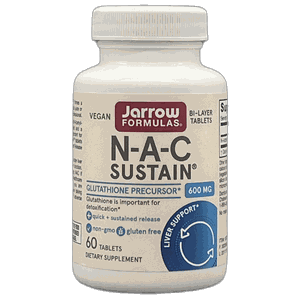
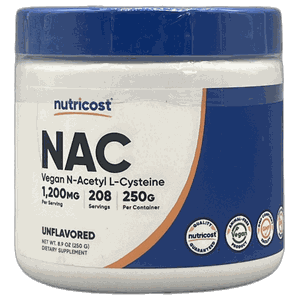
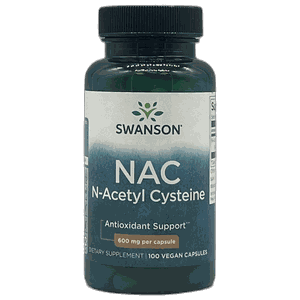
ConsumerLab purchased and tested NAC capsules, tablets, and powder. The tests showed that each product contained its claimed amount of NAC within an acceptable margin, with most products providing a bit more. However, the cost of obtaining a 600-mg dose of NAC ranged from just 6 cents to over 50 cents, with no difference in quality and little reason to spend more for a higher-priced product, other than formulation preferences (e.g., pills vs. powder) or vegan/vegetarian preferences. Most products offered 600 mg of NAC per serving, though the range was 500-1,200 mg (see What CL Found and use the Results table. Also learn How Products Were Evaluated).
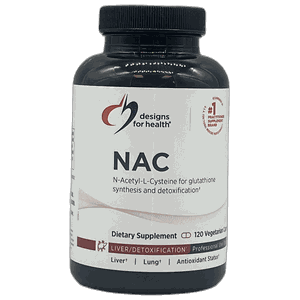
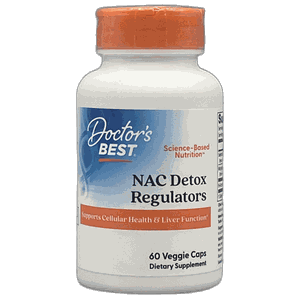
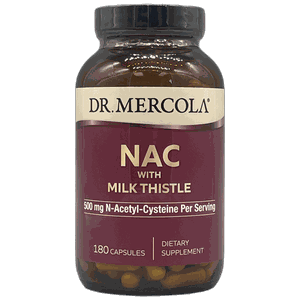
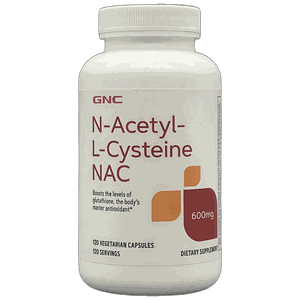
NAC supplements tested include those from Designs for Health, Doctor’s Best, Dr. Mercola, GNC, Jarrow Formulas, Life Extension, NOW, Nutricost, Pure Encapsulations, Swanson, and Thorne.
Top Picks for NAC
Based on quality, cost, and formulation, ConsumerLab selected four products as its overall Top Picks for NAC: moderate-dose, high-dose, vegan, and powder-form. Be aware that NAC powder is inherently tart, making pills generally preferable.
What to look for?
NAC is almost always in the "free form," so if you see this on a label, it's not a feature you should pay more for. Just choose a product that provides the dose you want at a low cost—generally 4 to 15 cents per 600 mg (see ConsumerTips™).
How much to take and when?
The dose of NAC used in clinical trials ranges from about 600 mg to 3,000 mg per day, typically divided into 2 or 3 doses. See the What It Does section for the dosage for specific uses.
Cautions
NAC can cause headache and gastrointestinal side effects. For details, see Concerns and Cautions.