Product Reviews and Information for Microplastics (Nanoplastics)
 Filters
 View All
Search term may appear only in full report available to members. Join now for full access.
CL Answer
Is it true that there are bits of plastic in drinking water, specialty salts, or other foods and beverages? How concerned should I be?
Microplastics are tiny pieces of plastic that can end up foods and beverages. Learn about microplastics found in drinking water and specialty salts. ConsumerLab.com's answer explains.
Product Review
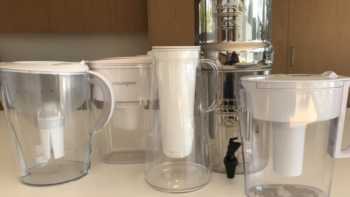
Water Filter Pitchers Review
See the Best Pitchers For Different Filtering Needs
CL Answer
Is Bottled Water Better Than Tap Water?
Some people consider bottled water to be a favorable alternative to tap water, but is it really better? Find out how bottled water and tap water compare in terms of taste, mineral content, acidity, and contaminants such as microplastics and PFAS.

CL Answer
Do water filters remove microplastics from tap water?
Find out if water filter pitchers and faucet mounted filters from Brita, Pur, Lifestraw and other brands remove microplastics from tap water.
CL Answer
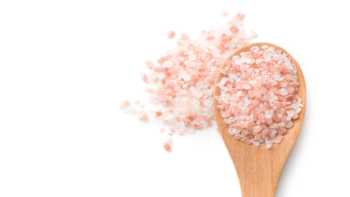
Himalayan and Sea Salts: Health Benefits, Toxic Metals, & Microplastics
Himalayan salt health benefits, along with other gourmet salts like Hawaiian and Mediterranean. Info including what's in them and their safety.
CL Answer
PFAS (Per- and Polyfluoroalkyl Substances): How can I avoid PFAS in dental floss, food, water, and other products?
Some brands of dental floss may contain potentially toxic chemicals known as PFAS (polyfluoroalkyl substances). Get the details and learn which floss and pick products are our Top Picks.
Clinical Update
1/13/2025
Plastic from Tea Bags
A small study suggested that some plastic tea bags release much larger amounts of nanoplastics than others. For details, and how to avoid nanoplastics from tea bags, see our Green Tea Review, which includes our Top Picks for green tea.
Clinical Update
12/09/2024
Microplastics in Rice
Microplastics have been found in packaged rice, but some types of rice seem to contain higher concentrations of microplastics than others. There is also a way to reduce microplastics in rice before cooking. Get the details in our article about microplastics in foods and beverages.
Also see our Top Pick water filter pitcher for removing microplastics from water.
Clinical Update
2/23/2026
Bottled Water: How to Beat Microplastics
A recent study pointed to ways to avoid microplastics in bottled water. Learn more in our article about microplastics in drinks and foods.
Also see our Top Pick water filter pitchers for removing microplastics and other contaminants from tap water.
Clinical Update
10/28/2022
Microplastics in Salt
A recent study found high concentrations of microplastics in certain sea salts. Get the details, and learn how levels vary across salts in our article about microplastics in water and salt.
Also see if popular water filter pitchers removed microplastics in our Water Filter Pitcher Review. (We’re currently testing additional pitchers, so stay tuned for more results.)
Clinical Update
11/17/2023
Fruits, Vegetables & Microplastics
Research is showing microplastics in fruits and vegetables. See which foods accumulate plastic the most. Get the details in our updated article about microplastics in food and beverages.
Clinical Update
3/29/2024
Microplastics Cardiovascular Concern
Microplastic particles were recently found in arterial plaque in many people, and this was associated with much higher risk of stroke, heart attack, and death. Get the details in the Microplastics section of our Water Filter Pitchers Review. Also see our Top Pick water filter pitcher for removing microplastics.
Clinical Update
7/15/2025
Microplastics In Bottled Water
Why did a recent study find more microplastics in water in glass bottles than plastic bottles? Find out in the Bottled water section of our article about sources of microplastics.
Clinical Update
4/24/2025
Microplastics Linked with High BP, Stroke
Exposure to higher amounts of microplastic was associated with increased risk of several chronic diseases, according to a recent study. Get the details in article about Microplastics in water, salt, foods, and beverages. Also see our Water Filter Pitchers Review for our Top Pick for removing microplastics.
Clinical Update
5/18/2026
How to Reduce Microplastics from Bottles
New research shows how storage conditions determine the amount of microplastics released from bottled water or soda.
Clinical Update
9/28/2022
Microplastics & Blood Clots
A recent study raised concern about microplastics causing blood clots. Get the details in our Water Filter Pitchers Review.
CL Answer
Are intravenous (IV) vitamin infusions safe and effective?
Intravenous (IV) vitamin infusions are touted by celebrities and promoted by wellness clinics for numerous conditions. Find out if they work and if they are safe.

Clinical Update
10/24/2020
Microplastics in Baby Bottles
Preparing infant formula in plastic bottles introduced large amounts of microplastic particles into the formula according to a recent study. Get the details and strategies to avoid this in our answer about microplastics in food and beverages.
Clinical Update
8/16/2022
Microplastics in Fish Oil?
A CL member asked if they should be concerned about microplastics in fish oil supplements. Find out in our Fish Oil Supplements Review.
Clinical Update
6/08/2019
Avoiding Microplastics in Bottled Water
There is increasing evidence of microplastics appearing in water -- including a study of popular bottled water brands. See the results in our answer to the question: Is it true that there are bits of plastic in drinking water and specialty salts? How concerned should I be?
Clinical Update
8/30/2019
Microplastics in Food and Water
How many microplastic particles do we consume each year from our food and water? Find out in the updated answer to the question: Do water filters remove microplastics from tap water?
Clinical Update
Product Update
2/19/2026
Vitamin Infusions & Microplastics
Recent studies suggest that IV infusions may increase the body’s exposure to microplastics. Get the details in our article about intravenous (IV) vitamin infusions.
Clinical Update
2/10/2025
Avoiding Microplastics from Tea Bags
Recent studies have raised concerns about microplastics released from plastic tea bags. To avoid plastic tea bags, see the Results table in our Green Tea Review, which lists the type of tea bag (paper, plastic, or mixed) for each of the bagged teas we’ve tested. Also see our Top Picks among brewable teas and a list of tea companies that state they do not use plastic in their tea bags.
Clinical Update
10/13/2020
Microplastics in Seafood?
A recent study found unexpectedly high levels of microplastic particles in certain seafoods. Get the details and see which had the highest concentration in the Concerns and Cautions section of section of our Tuna, Salmon and Sardines Review. Also see our Top Picks for tuna, salmon and sardines.
Clinical Update
11/01/2022
Why is Plastic Found in Salt?
Microplastic particles are showing up in many types of salt, even salt from ancient mines. A CL member asked why. Find out in our updated article about microplastics in water and salt.
Clinical Update
8/08/2023
Microplastic in Oils
Tests of several popular U.S. brands of oils (olive, sunflower, etc.) sold in plastic bottles found all to contain microplastic particles. See what else the researchers found in our article about microplastics in food and beverages.
Clinical Update
2/21/2024
Forever Chemicals in Tea?
A recently published study found an association between intake of "unsweetened" tea and higher blood levels of PFAS ("forever chemicals"). Should you be concerned? See the details in the Concerns and Cautions section of our Green Tea Review, which includes our recent Top Picks among products.
Also find out if "plant-based" plastic tea bags may be less likely to release microplastics than regular plastic or nylon tea bags.
A new video explaining how to choose the best green tea is also now available.
Clinical Update
2/24/2025
Plastic in Bigelow Tea Bags?
Due to concern over microplastics, we asked Bigelow if their tea bags contain plastic. It turns out that some do and some don’t, as we explain in the Concerns with Plastic Tea Bags section of our Green Tea Review, which includes similar information for other tea brands. The Review also includes our Top Picks among green teas and supplements.
Clinical Update
5/01/2025
Toxic Heavy Metals in Salt
How much lead, cadmium, arsenic, and mercury are in popular salts, sea salts, kosher salt, and herbed salt? See what tests by an independent group found in our article about heavy metals and microplastics in salt.
Clinical Update
5/05/2025
How Cooking Affects Microplastics in Fish
The way in which a fish is cooked can affect its level of microplastic particles, according to a recent study. Get the details in the Concerns and Cautions section of our Tuna, Salmon, Sardines & Herring Review, which includes our Top Picks for tuna, salmon, sardines and herring.
Product Update
9/12/2025
Bamboo Floss?
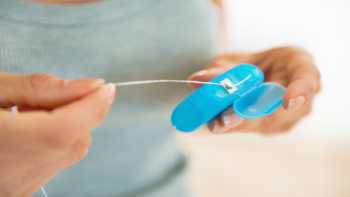
Some people opt to use bamboo dental floss to reduce exposure to microplastics or "forever chemicals" (PFAS), but be aware bamboo flosses may still contain these compounds. Find out how to avoid this in the Dental products comparison section of our article about PFAS, which profiles bamboo flosses from Mother Earth (ME), No Tox Life, Dental Lace, and others.
Product Update
10/07/2025
Heavy Metals in Morton's Salt?
Levels of heavy metals found in Morton’s Iodized Salt were reported by a separate testing group. Get the details, along with amounts found in other popular salts, in our article about toxic metals and microplastics in salt.
Product Update
8/20/2026
Microplastics in Coffee?
A recent study measured microplastic particles in instant vs ground coffee. See how much was found in our article about coffee and heart health.

Clinical Update
4/21/2023
Five More Water Filter Pitchers Tested
We tested five more water filter pitchers (Aquagear, Berkey, Brita, Kirkland, and LifeStraw) and found surprising results.
While all did an excellent job of removing the heavy metals lead, cadmium, and mercury, pitchers varied dramatically in their ability to remove chlorine, (which affects taste), fluoride, arsenic, total dissolved solids (TDS), and microplastic particles. Be aware that some pitchers actually increase the amount of microplastics in water after filtering!
See our Top Picks for:
- Removing Chlorine Taste
- Reducing Fluoride
- Removing Arsenic
- Reducing Earthy Taste (due to high TDS)
See the Water Filter Pitchers Review and our video about it.
News Release
February 15, 2024
Unveiling the Truth About Green Tea’s EGCG Content
White Plains, NY, February 15, 2024 — ConsumerLab.com, a trusted name in health and wellness, sheds light on the EGCG (epigallocatechin gallate) content in green tea.
News Release
December 28, 2023
10 Most Popular ConsumerLab Product Reviews of 2023
White Plains, New York, December 28, 2023 — In 2023, ConsumerLab tested more than two hundred products, adding to its extensive Product Reviews covering 150 categories of supplements, foods, and other health products. Among these, the following 10 were the most popular in 2023:
News Release
May 03, 2023
Best Water Filter Pitchers In 2023 According to ConsumerLab Tests
White Plains, New York, May 3, 2023 — ConsumerLab tests of popular counter-top water filter pitchers show there are wide variations in the amounts of fluoride, arsenic, and microplastics these products remove from drinking water – in fact, some filter pitchers were found to increase the amount of ...
News Release
October 12, 2020
Some Water Filter Pitchers May Worsen Water Quality. CL Tests Reveal Big Differences Among Filters
White Plains, New York, October 12, 2020 — Water filter pitchers claim to remove unwanted substances such as chlorine and toxic heavy metals from tap water.