Quick Summary
What Do BCAAs Do?
Branched chain amino acids are the essential amino acids isoleucine, leucine and valine that the body cannot produce (see What It Is). Taking BCAAs before and after exercise may help reduce or delay the onset of muscle soreness and improve muscle recovery. Leucine appears to be the most significant BCAA for stimulating protein synthesis (see What It Does).
Are BCAAs Safe?
BCAAs are considered safe at standard doses but may interact with certain medications (see Concerns and Cautions).
How to Take BCAAs?
For muscle recovery and to prevent soreness, daily doses of 1 to 5 grams have been used. For specific dosing and how to take BCAAs, see ConsumerTips™.
What Did CL's Tests of BCAA Supplements Show?
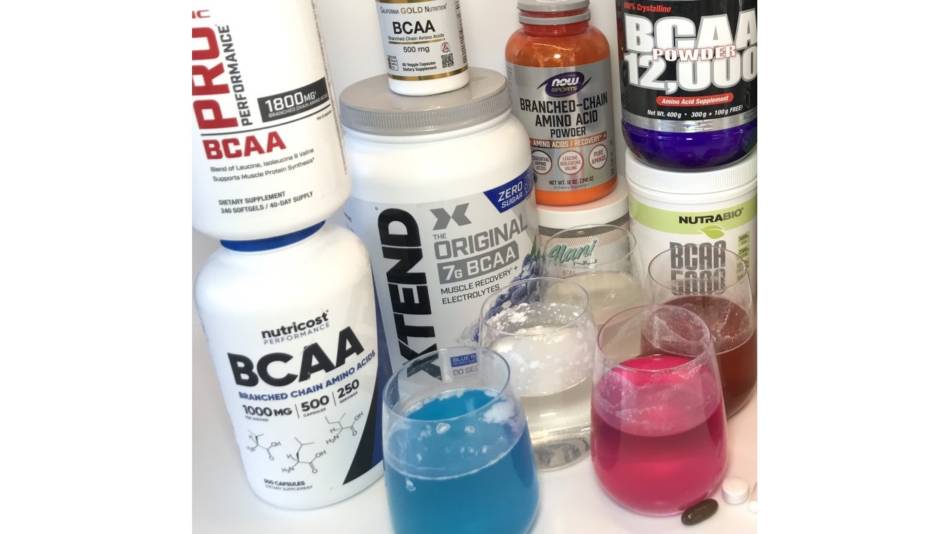
ConsumerLab's tests revealed that one product contained less isoleucine than claimed. Among products that passed testing, several provided 5 grams of BCAAs for as little as 25 to 50 cents, with others costing over $1 to $2.
 Which BCAA Supplement Is Best?
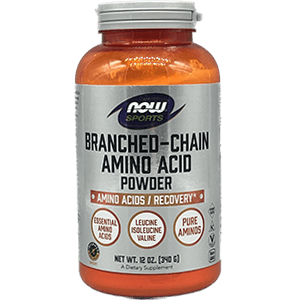
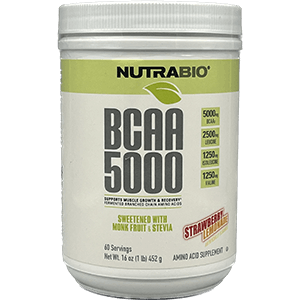
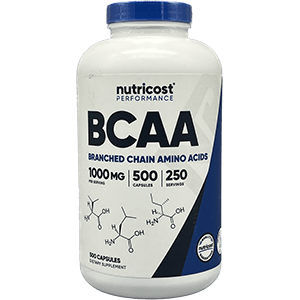
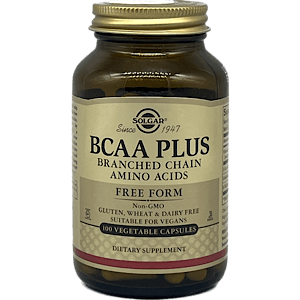
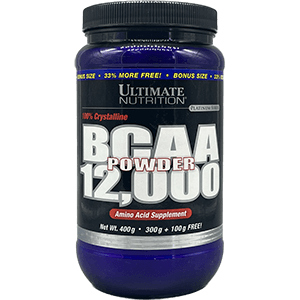
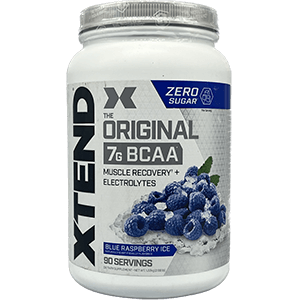
CL chose three Top Picks for BCAAs: An unflavored powder, a flavored powder, and a capsule. Each provided their promised amounts of high-quality BCAAs in the generally suggested 2:1:1 ratio of leucine to isoleucine and valine — and at a reasonable price.
Other Supplements for Muscle
Also see our Reviews of creatine, L-glutamine, beetroot, protein powders, and vitamin D, and learn about supplements that provide HMB and taurine or are marketed to boost testosterone or nitric oxide.
Products tested in 2023
+— 16 sources
In addition the results of its expert testing, ConsumerLab uses only high-quality, evidence based, information sources. These sources include peer-reviewed studies and information from agencies such as the FDA and USDA, and the National Academy of Medicine. On evolving topics, studies from pre-print journals may be sourced. All of our content is reviewed by medical doctors and doctoral-level experts in pharmacology, toxicology, and chemistry. We continually update and medically review our information to keep our content trustworthy, accurate, and reliable. The following sources are referenced in this article:
- Achison, J Cachexia Sarcopenia Muscle 2022
- Bagheri, Exp Gerontol 2021
- Churchward-Venne, Am J Clin Nutr 2026
- ClinicalTrials.gov
- Dreyer, J Clin Inves 2013
- Dreyer, JB JS Open Access 2018
- Edwards, Am J Clin Nutr 2020
- English, Am J Clin Nutr 2016
- Kimball, J Nutr 2006
- Minetama, Spine J 2023
- Negro, J Sports Med Phys Fitness 2008
- Robbins, Dietetics 2025
- Shimomura, J Nutr 2006
- Wulandari, Clin Nutr ESPEN 2025
- Li, Brit J of Cancer 2015
- Zhang, Nat Metab 2024
As a ConsumerLab.com member, you may print a copy of this report for your personal use.
You can access a special print version by clicking the "Print" icon in the upper right corner of this report.
You can then use your web browser's print functions to print the whole report or just selected pages.
You may also email or post a link to this report using the web address above.
Non-members using the link will see a free summary and can join to view the full report.
Other means of copying or distributing this report, in part or full, are not permitted.
If you are sight-impaired and your computer is having trouble converting the text in this report to speech,
contact us for assistance at Membership@ConsumerLab.com or by
phone at 914-722-9149.