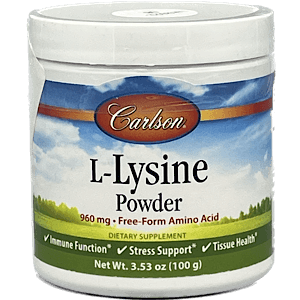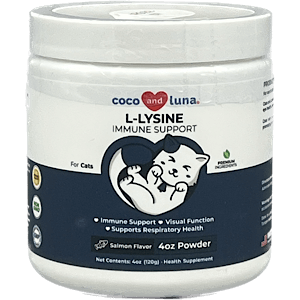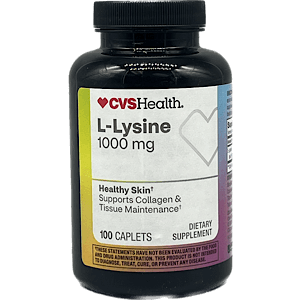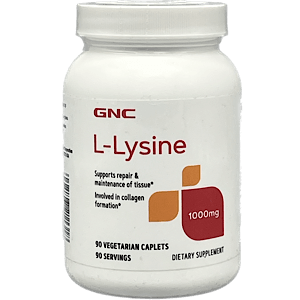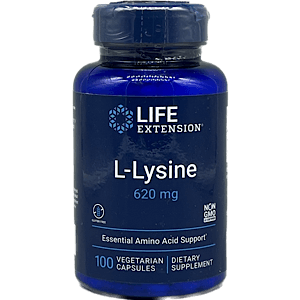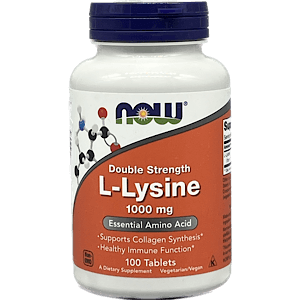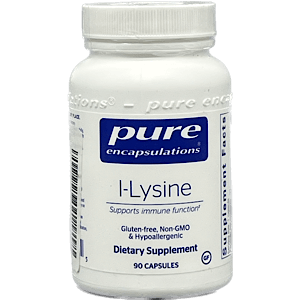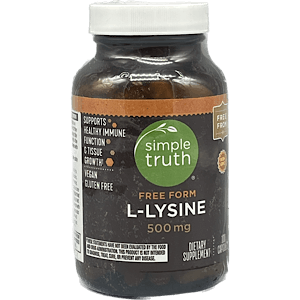




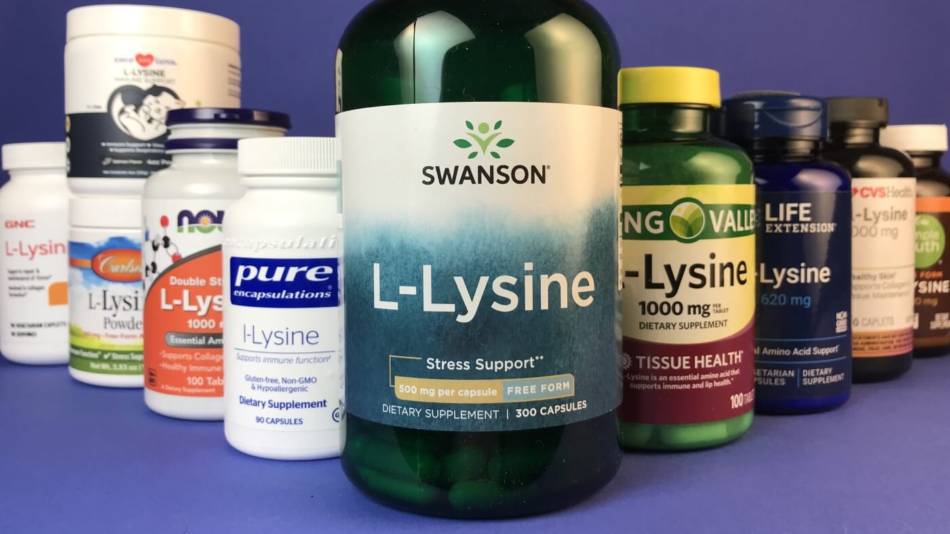

Products tested in 2023
+— 25 sources
In addition the results of its expert testing, ConsumerLab uses only high-quality, evidence based, information sources. These sources include peer-reviewed studies and information from agencies such as the FDA and USDA, and the National Academy of Medicine. On evolving topics, studies from pre-print journals may be sourced. All of our content is reviewed by medical doctors and doctoral-level experts in pharmacology, toxicology, and chemistry. We continually update and medically review our information to keep our content trustworthy, accurate, and reliable. The following sources are referenced in this article:
- Bol, BMC Veterinary Research 2015
- Civitelli, Nutrition 1992
- Dressle, Sleep Med Rev 2022
- Giroux, J Med Bord 1977
- Griffith, Chemotherapy 1981
- Griffith, Dermatologica 1987
- Hussain, Food Nutr Bull 2004
- McBride, Am Fam Phys 2000
- McCune, Cutis 1984
- Milman, Acta Derm Venereol 1980
- Muller, J Antivir Antiretrovir 2016
- Niijima, Brain Res Bull 1998
- Ozden, J Exp Integr Med 2001
- Rushton, Clin Exp Dermatol 2002
- Scheuch, Emerg Microbes Infect 2018
- Singh, Altern Med Rev 2005
- Smriga, Biomed Res 2007
- Smriga, Proc Natl Acad Sci USA 2004
- Thein, Oral Surg Oral Med Oral Pathol 1984
- Widijanti, Biochem Physiol 2015
- Wright, Gen Dent 1994
- Zhao, Food Nutr Bull 2004
- Dietary Supplement Labeling Guide: Chapter IV, Example 15
- Lo, Am J Kidney Dis 1996
- Tome, J Nutr 2007
Quick Summary
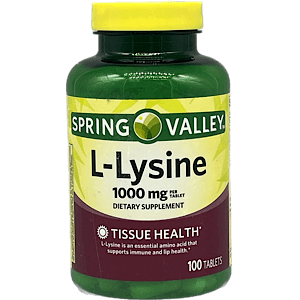
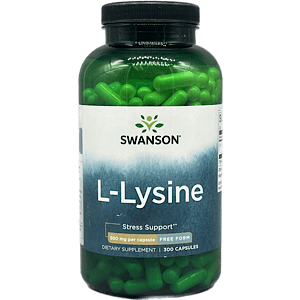
What to look for on L-lysine labels?
-
What is lysine?
Lysine (L-lysine) is an essential amino acid found in many protein-rich foods (see Lysine in Food) and is needed for proper growth and other critical functions (see details in What It Is).
-
What are the health benefits of lysine?
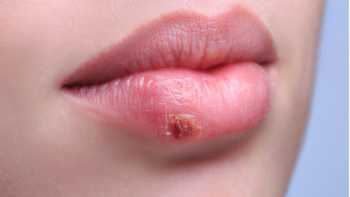
As a supplement, some (but not all) studies suggest that lysine may help prevent cold sores (herpes simplex labialis), genital herpes lesions, and canker sores. There is no clinical evidence, however, that lysine helps treat an existing herpes eruption. It has been used in studies of hair loss treatment, but results are not convincing. There is no clinical evidence that lysine helps prevent or treat COVID-19, nor herpes 1 infection in cats. Although lysine is also found in topical products for cold sores, it is not known to be active topically (see details in What It Does).
-
How much lysine to take?
Typical daily dosage is 1,000 to 3,000 mg (1 to 3 grams) (see details in ConsumerTips).
The best lysine supplement:
CL's tests found that all of the selected L-lysine products contained their listed amounts of lysine, with some providing a bit more (see details in What CL Found and How Products Were Evaluated). However, some products were a much better value than others, with the cost ranging from as little as 5 cents to as much as 32 cents to obtain 1,000 mg of L-lysine (and up to 49 cents from a cat product). Based on quality and value, ConsumerLab selected Top Picks among lysine supplements including a lysine supplement for cats.
- L-lysine is typically sold as its stabilized salt form, called L-lysine HCl (L-lysine hydrochloride). Be aware that 20% of the weight of L-lysine HCl is HCl and not L-lysine. Well-labeled lysine supplements will list the amount of L-lysine (since this is the active ingredient) and deduct the weight of the HCl. However, some products (including two in this Review) list the weight of the full compound (i.e., lysine plus HCL), which can lead unwitting consumers to believe they are getting more lysine than they think (see examples in What CL Found).
-
Lysine safety and side effects:
People with kidney disease, gallstones, elevated cholesterol, and glutaric acidemia type I should exercise caution with lysine supplements (see details in Concerns and Cautions).
As a ConsumerLab.com member, you may print a copy of this report for your personal use.
You can access a special print version by clicking the "Print" icon in the upper right corner of this report.
You can then use your web browser's print functions to print the whole report or just selected pages.
You may also email or post a link to this report using the web address above.
Non-members using the link will see a free summary and can join to view the full report.
Other means of copying or distributing this report, in part or full, are not permitted.
If you are sight-impaired and your computer is having trouble converting the text in this report to speech,
contact us for assistance at [email protected] or by
phone at 914-722-9149.
The "Latest Update" date indicates when new clinical or product information was most recently added. In the full review (available to CL members), the newest information is highlighted in yellow and, if a new product is added, it is footnoted in the results table, showing the date added to the review. The year(s) when testing was completed for the products in the review appears at the end of the Summary section.
|