ConsumerLab.com uses JavaScript to provide the best possible experience for our content, but your browser has it disabled. Learn how to enable it here.
Alpha-lipoic acid (or lipoic acid) assists in converting glucose into energy (see What It Is). A healthy body naturally produces enough alpha-lipoic acid but supplementation may help in certain situations.
What does alpha-lipoic acid do?
Alpha-lipoic acid supplements may modestly improve insulin sensitivity and blood sugar control, as well as reduce symptoms of peripheral neuropathy in people with type 2 diabetes. It may also modestly increase weight and fat loss when combined with a low-calorie diet (see What It Does).
Which form of alpha-lipoic acid is best?
Supplements contain synthetic versions of the naturally occurring form of alpha-lipoic acid (the R-isomer) or, more commonly, a mixture of the R- and S-isomers. The R-isomer only isomer shown to be active of the two isomers. However, only mixed forms have been studied for efficacy and side-effects in clinical trials and are generally much less expensive than R-isomer-only products (see What to Consider When Buying).
What's the right dose of alpha-lipoic acid?
The typical dose used in treating diabetes, peripheral neuropathy associated with diabetes, and cardiac autonomic neuropathy is 200 to 400 mg, taken 3 times daily (for a total daily dose ranging from 600 mg to 1,200 mg). For weight loss, 100 mg alpha-lipoic acid (taken three times per day with meals), along with a reduced-calorie diet, has shown some benefit. For use as a general antioxidant, a lower dose (20 to 50 mg daily) is commonly recommended (although there is no evidence this offers any health benefit). You may be able to halve the dose when using the R-isomer-only form (see What to Consider When Using).
Side effects of alpha-lipoic acid such as skin rash and nausea have been reported. Alpha-lipoic acid may also contribute to acid reflux, as it is an acid. It may also cause a strong urine odor. Because alpha-lipoic acid may help control blood sugar in diabetics, adjustments may be needed to anti-diabetic medication when using alpha-lipoic acid. Alpha-lipoic acid may interfere with thyroid function, medication and diagnostic tests. Although rare, alpha-lipoic acid may cause insulin autoimmunity (see Concerns and Cautions).
Products tested in 2023
+— 41 sources
In addition the results of its expert testing, ConsumerLab uses only high-quality, evidence based, information sources. These sources include peer-reviewed studies and information from agencies such as the FDA and USDA, and the National Academy of Medicine. On evolving topics, studies from pre-print journals may be sourced. All of our content is reviewed by medical doctors and doctoral-level experts in pharmacology, toxicology, and chemistry. We continually update and medically review our information to keep our content trustworthy, accurate, and reliable. The following sources are referenced in this article:
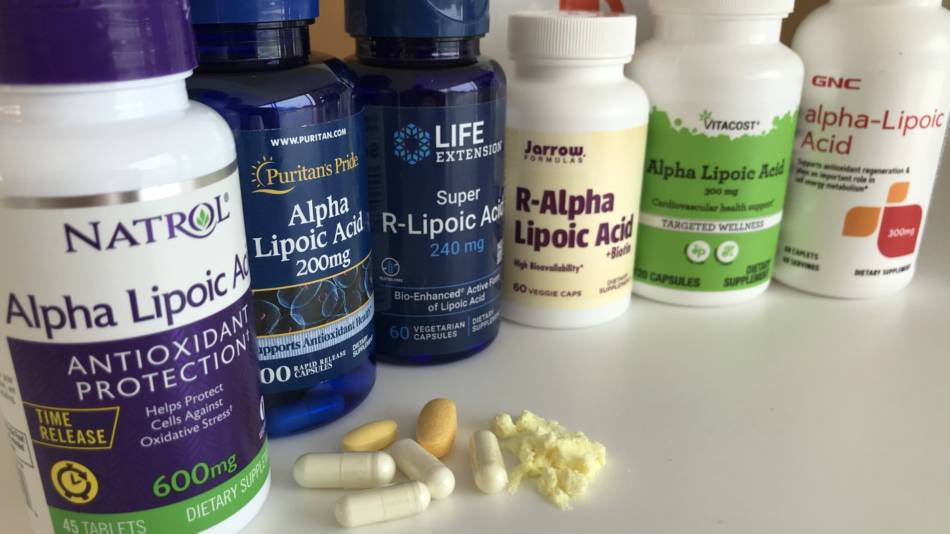
Alpha-lipoic acid supplements compared in this review
BulkSupplements.com Alpha Lipoic Acid (ALA)
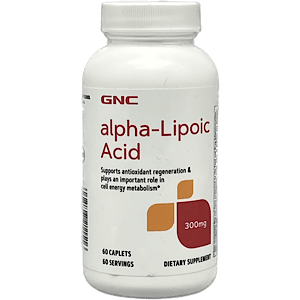
GNC Alpha-Lipoic Acid
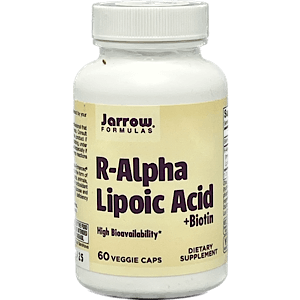
Jarrow Formulas R-Alpha Lipoic Acid + Biotin
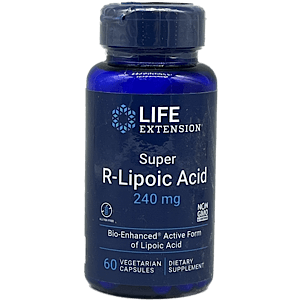
Life Extension Super R-Lipoic Acid 240 mg
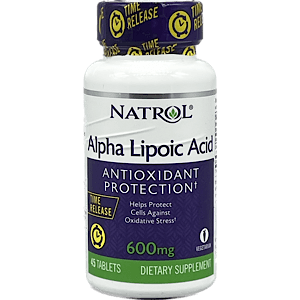
Natrol Alpha Lipoic Acid 600 mg
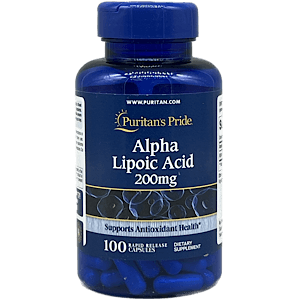
Puritan's Pride Alpha Lipoic Acid 200 mg
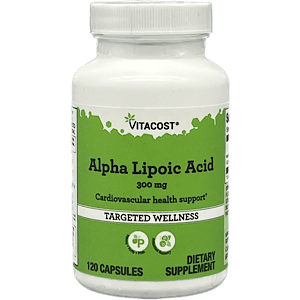
Vitacost Alpha Lipoic Acid
You must be a ConsumerLab.com member to get the full test results along with ConsumerLab.com's recommendations and quality ratings. You'll get results for six alpha-lipoic acid selected for testing by ConsumerLab.com and one additional supplement that passed the same testing through CL's voluntary Quality Certification Program.
In this comprehensive review, you'll discover:
The best quality alpha-lipoic acid supplements and which passed or failed testing
ConsumerLab's Top Picks among alpha-lipoic acid supplements based on quality, dosage, and value
The clinical evidence for and against alpha-lipoic acid for improving insulin sensitivity and blood sugar control, reducing nerve pain, weight loss, and other uses
The dose of alpha-lipoic acid for specific uses
How the R-isomer form of alpha-lipoic acid differs from the mixed form (R- and S-isomers) and whether one form is better than the other
Cautions when using alpha-lipoic acid, including side-effects, drug interactions, and interference with thyroid function, treatment, and tests (such as T3 and TSH)
Make sure you're choosing the best alpha-lipoic acid supplements approved in our tests!
For a Limited Time, Become a Member for $1.25/week
Does controlled-release alpha-lipoic acid offer better bioavailability than regular capsules of alpha-lipoic acid? Find out in the ConsumerTips section of our Alpha-Lipoic Acid Supplements Review, which includes our Top Picks.
Alpha-Lipoic Acid & Dental Fillings
March 20, 2025
Is there a risk taking alpha-lipoic acid if you have mercury-containing dental fillings? Find out in the Cautions and Concerns section of our Alpha-Lipoic Acid Supplements Review, which includes our Top Picks for alpha-lipoic acid.
Alpha-Lipoic Acid & Low Blood Sugar
July 09, 2024
Although rare, alpha-lipoic acid may trigger an autoimmune condition that causes low blood sugar, as highlighted in a recent case. Learn more in the Concerns and Cautions section of our Alpha-Lipoic Acid Supplements Review, which includes our Top Picks among alpha-lipoic acid supplements.
Alpha-Lipoic Acid for Nerve Pain?
April 26, 2024
Is alpha-lipoic acid as effective as pregabalin (Lyrica) in reducing the pain of peripheral neuropathy? Learn what a recent study found in the What It Does section of our Alpha-Lipoic Acid Supplements Review, which includes our Top Pick for alpha-lipoic acid.
Be aware of skin reactions to creams containing alpha-lipoic acid. See the Concerns and Cautions section of our Alpha-Lipoic Acid Review for details.
Alpha Lipoic Acid Concern
October 20, 2021
Although rare, use of alpha-lipoic acid may trigger autoantibodies to insulin. Be aware of this and other potential side effects of alpha-lipoic aid use, which are discussed in the Concerns and Cautions section of our Alpha Lipoic Acid Review.
Alpha Lipoic Acid for Pain?
October 19, 2021
Can taking alpha-lipoic acid decrease nerve, muscle or joint pain? See what a new study found in the What It Does section of our Alpha Lipoic Acid Review. Also see our Top Picks for alpha-lipoic acid.
Can Alpha-Lipoic Acid Lower Weight?
July 28, 2020
Alpha-lipoic acid was given to overweight men and women for 24 weeks in a recent study. Find out if it lowered weight and triglyceride levels in the What It Does section of the Alpha Lipoic Acid Supplements Review. Also see our Top Picks for alpha-lipoic acid.
Alpha Lipoic Acid and Reflux
April 30, 2020
A CL member reported experiencing acid reflux when using alpha lipoic acid. This effect has been reported in clinical studies with higher doses -- which is not surprising consider that alpha lipoic acid is, after all, an acid. Ways to avoid this issue are discussed in the Concerns and Cautions section of the Alpha Lipoic Acid Supplements Review. Also see our Top Picks for alpha lipoic acid.
Alpha Lipoic Acid Improves Results When Dieting
February 28, 2015
Women who took alpha lipoic acid while dieting lost significantly more weight and body fat than those who only reduced their calorie intake, according to a new study. For the dose, how it was taken, plus our tests of popular alpha lipoic acid products, see the Alpha Lipoic Acid Review >>
As a ConsumerLab.com member, you may print a copy of this report for your personal use.
You can access a special print version by clicking the "Print" icon in the upper right corner of this report.
You can then use your web browser's print functions to print the whole report or just selected pages.
You may also email or post a link to this report using the web address above.
Non-members using the link will see a free summary and can join to view the full report.
Other means of copying or distributing this report, in part or full, are not permitted.
If you are sight-impaired and your computer is having trouble converting the text in this report to speech,
contact us for assistance at Membership@ConsumerLab.com or by
phone at 914-722-9149.
The "Latest Update" date indicates when new clinical or product information was most recently added. In the full review (available to CL members), the newest information is highlighted in yellow and, if a new product is added, it is footnoted in the results table, showing the date added to the review. The year(s) when testing was completed for the products in the review appears at the end of the Summary section.