ConsumerLab.com uses JavaScript to provide the best possible experience for our content, but your browser has it disabled. Learn how to enable it here.
Potassium is a mineral and electrolyte that is essential for the proper functioning of the nervous system, skeletal system, heart, and metabolism, as well as maintaining normal blood pressure (see What It Is). Symptoms of potassium deficiency can include muscle weakness, irregular heartbeat, listlessness, mood changes, irrational behavior, nausea, and vomiting.
Do I need to take a potassium supplement?
Potassium supplements are typically used only to treat or prevent potassium deficiency. Sufficient amounts of potassium can easily be obtained through the diet, but people taking certain drugs or with conditions affecting the kidneys or gut may be deficient (see What to Consider When Using). Low potassium is also common among people hospitalized with COVID-19. Supplementing with potassium may also help to reduce high blood pressure. The citrate form of potassium may also reduce the risk of kidney stones (see What It Does).
How much potassium should I take?
For preventing potassium loss, potassium is often recommended at doses of 200 to 400 mg, taken 3 to 4 times daily (for a total daily dose ranging from 600 mg to 1,600 mg). For lowering blood pressure in people with hypertension, larger amounts are often used (3,000 mg per day) (see What to Consider When Using). Nearly all common forms of potassium are absorbed equally well (see What to Consider When Buying).
Best potassium supplement?
As discussed in What CL Found, problems were found with potassium supplements. One could cause you to take 2.5 times as much potassium as you might expect from its label. Pills of the other product would not fully break apart within the allotted time, suggesting the ingredients might be less available for absorption. None of the products exceeded limits for contamination with heavy metals (lead, cadmium, and arsenic), unlike our findings in 2016 when we discovered a significant amount of arsenic in a potassium supplement.
Among the products that passed testing, ConsumerLab.com chose three Top Picks.
Safety and side effects of potassium supplements:
Potassium from supplements may cause diarrhea, nausea, stomach pain, mild gas and vomiting, which may be reduced by taking with meals. Less common side effects include confusion, irregular heartbeat and shortness of breath. People with kidney disease and people taking potassium-sparing diuretics, ACE inhibitors, or trimethoprim/sulfamethoxazole should not take potassium supplements without medical supervision(see Concerns and Cautions).
Products tested in 2021
+— 50 sources
In addition the results of its expert testing, ConsumerLab uses only high-quality, evidence based, information sources. These sources include peer-reviewed studies and information from agencies such as the FDA and USDA, and the National Academy of Medicine. On evolving topics, studies from pre-print journals may be sourced. All of our content is reviewed by medical doctors and doctoral-level experts in pharmacology, toxicology, and chemistry. We continually update and medically review our information to keep our content trustworthy, accurate, and reliable. The following sources are referenced in this article:
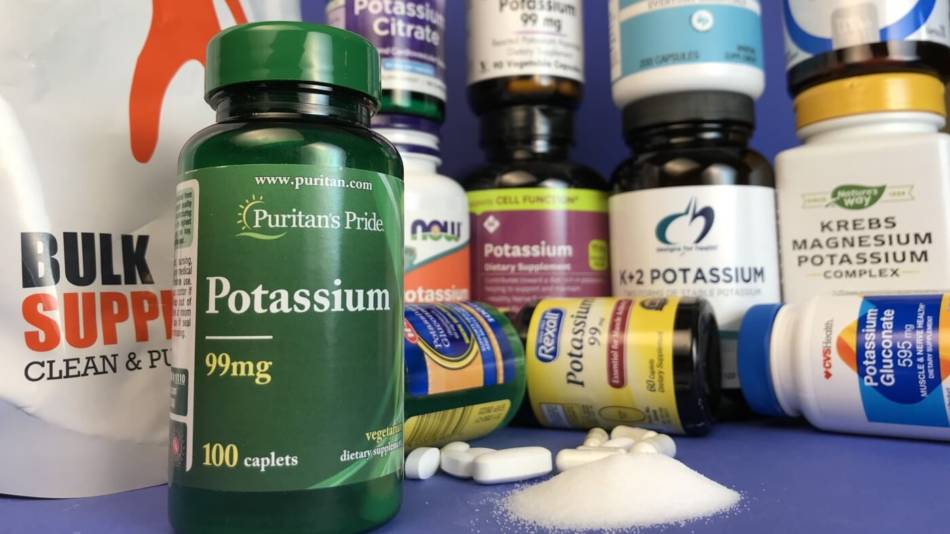
Alphabetical list of potassium supplement brands compared in this report
Bluebonnet Potassium 99 mg
BulkSupplements.com Potassium Chloride
CVS Health Potassium Gluconate 595 mg
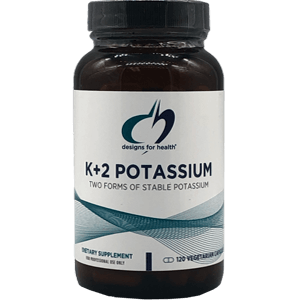
Designs For Health K+2 Potassium
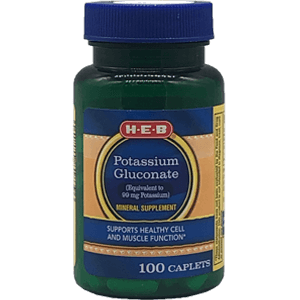
H-E-B Potassium Gluconate
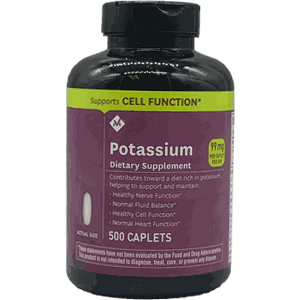
Member's Mark Potassium
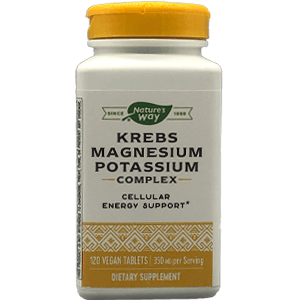
Nature's Way Krebs Magnesium Potassium Complex
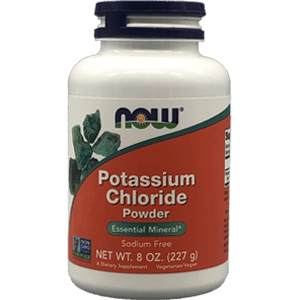
NOW Potassium Chloride Powder
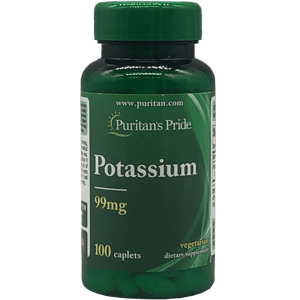
Puritan's Pride Potassium 99 mg
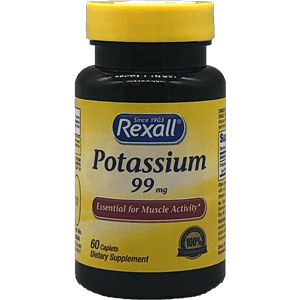
Rexall Potassium 99 mg
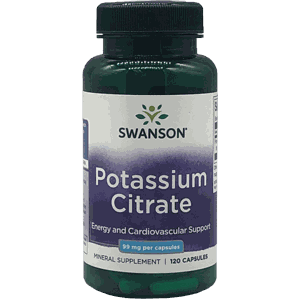
Swanson Potassium Citrate
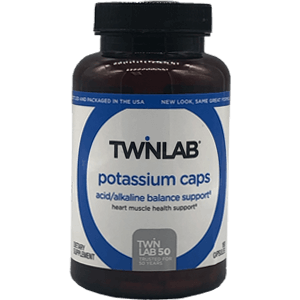
TwinLab Potassium Caps
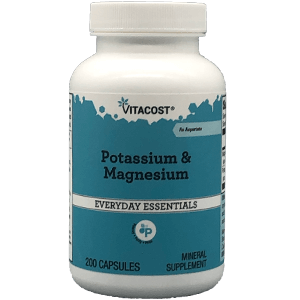
Vitacost Potassium & Magnesium
You must be a ConsumerLab.com member to get the full test results along with ConsumerLab.com's recommendations and quality ratings of potassium supplements — including potassium-magnesium combinations. You will get results for 13 supplements — 10 selected by ConsumerLab.com and three which passed testing in our voluntary Quality Certification Program.
In this comprehensive review, you'll discover:
Which potassium supplements passed or failed our testing
CL's Top Picks among potassium supplements for quality and value
The pros and cons of different forms of potassium (such as potassium chloride, potassium citrate, and potassium gluconate) and dosage forms (such as pills and powders)
Dosing of potassium for specific uses
How to avoid being misled by labels on potassium supplements
Food sources of potassium
Potential side-effects and concerns with potassium
Make sure you're choosing the best potassium supplements approved in our tests!
For a Limited Time, Become a Member for $1.25/week
Latest Clinical Research Updates for Potassium Supplements
Salt Substitutes Allowed in More Foods — What You Need to Know
October 12, 2026
If you need to control your potassium intake, be aware that potassium-based salt substitutes will soon be allowed in foods that you might not expect -- including milk, cheese, bread, and canned tuna. Get the details in our Potassium Supplements Review, which includes our comparison of popular salt substitutes and explains who should not use salt substitutes.
Potassium for Lowering Blood Pressure
March 23, 2026
According to the latest guidelines, a potassium-rich diet—or moderate supplementation—may help lower blood pressure in people with hypertension. Learn more in our Potassium Supplements Review, including our Top Picks for potassium.
A Caution with Salt Substitutes
July 15, 2025
Salt substitutes containing potassium can help lower blood pressure, but be aware that frequent use can cause problems for people with kidney disease, as described in a recent case report. Get the details in the Reducing salt intake section of our Potassium Supplements Review, which includes caveats to using salt substitutes as well as the benefits.
Medications & Low Potassium
July 11, 2025
A very popular medication for blood sugar and weight control may have caused low potassium levels requiring hospitalization, according to a recent report. Learn about this and other medications that can cause low potassium in the Deficiency section of our Potassium Supplements Review, which includes our Top Picks among potassium supplements.
Causes of Potassium Deficiency
May 29, 2025
Find out which medications can cause potassium deficiency in the What It Does section of our Potassium Supplements Review, which includes our Top Picks for potassium.
Benefit of Salt Substitute After Stroke
February 06, 2025
Among people who have had a stroke, switching from regular table salt to a potassium-enriched salt substitute may greatly reduce the risk of another stroke and death. Get the details and our list of good "lite" salts and salt substitutes in our Potassium Supplements Review.
Magnesium’s Effects on Potassium?
September 16, 2024
Low blood levels of magnesium may cause levels of potassium to fall, but getting too much magnesium may also cause problems with potassium levels. Get the details in the Taking magnesium with potassium section of our Potassium Supplements Review, which includes our Top Picks for potassium supplements.
Trying to reduce sodium intake? See the list of good salt substitutes(which substitute potassium for sodium) in our Potassium Supplements Review. Be aware that some prepared foods already use salt substitutes, but this is not currently permitted in breads, condiments, cheeses, and other standardized products.
Big Benefits of Salt Substitute
February 21, 2024
A study among older people with high blood pressure showed that use of a salt substitute led to a dramatic reduction in heart attack and stroke. Get the details in the Salt Substitutes section of our Potassium Supplements Review, which includes information about popular salt substitutes on the market.
Be aware that many blood pressure-lowering medications can increase potassium in the blood to dangerous levels, as was recently reported. Get the details in the Concerns and Cautions section of our Potassium Supplements Review.
Potassium & Intestinal Injury?
December 02, 2022
Can potassium pills injure the intestine? They can at high dosage, as we explain in the Concerns & Cautions section of our Potassium Supplements Review.
Potassium for Arthritis?
July 01, 2022
Can increasing potassium intake reduce joint pain in people with rheumatoid arthritis? See what a recent study found in the Rheumatoid Arthritis section of our Potassium Supplements Review.
Can taking certain forms of potassium help dissolve or prevent kidney stones? Find out in the What It Does section of our Potassium Supplements Review. Also see our Top Picks among potassium supplements.
Potassium and Dialysis
November 04, 2020
People on dialysis are often told to restrict potassium intake, but getting too little potassium can also be a problem according to a new study. Get the details in the Concerns and Cautions section of our Potassium Supplements Review. Also see our Top Picks for potassium supplements.
Low Potassium in COVID-19 Patients
June 20, 2020
Patients hospitalized with COVID-19 have often been found to have low potassium levels. Should you be concerned? Learn more in the COVID-19 section of the Potassium Supplements Review. Also see our Top Picks among potassium supplements.
Potassium Levels Decline
May 19, 2020
An analysis of blood samples of thousands of Americans suggests a slight decline in potassium intake. Find out what may be causing this in the update to the What It Does section of the Potassium Supplements Review. Also see our Top Picks for potassium supplements.
New Potassium Recommendations
March 22, 2019
The amount of potassium needed to achieve nutritional adequacy was officially reduced this month for all ages. Find out why and get the new recommendations in the What to Consider When Using section of the Potassium Supplements Review. Also see our Top Picks for potassium supplements.
As a ConsumerLab.com member, you may print a copy of this report for your personal use.
You can access a special print version by clicking the "Print" icon in the upper right corner of this report.
You can then use your web browser's print functions to print the whole report or just selected pages.
You may also email or post a link to this report using the web address above.
Non-members using the link will see a free summary and can join to view the full report.
Other means of copying or distributing this report, in part or full, are not permitted.
If you are sight-impaired and your computer is having trouble converting the text in this report to speech,
contact us for assistance at Membership@ConsumerLab.com or by
phone at 914-722-9149.
The "Latest Update" date indicates when new clinical or product information was most recently added. In the full review (available to CL members), the newest information is highlighted in yellow and, if a new product is added, it is footnoted in the results table, showing the date added to the review. The year(s) when testing was completed for the products in the review appears at the end of the Summary section.