


Save to favorites
This feature is restricted to active members.
Join now to save favorites and get all member benefits, including over 1,400 product reviews.
Join NowAlready a member? Sign in here.

CL Answers
Below are popular questions answered by ConsumerLab.com
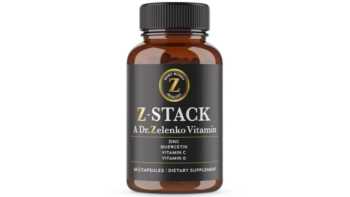
Does Z-Stack multivitamin work to boost the immune system, and is it safe?
Find out about Z-Stack, including if it can help boost the immune system and if it is safe to use at the suggested dose.
Do any supplements help treat or reduce the pain of plantar fasciitis (heel pain)?
Plantar fasciitis causing heel pain has, in rare cases, been reported as a symptom of vitamin D deficiency. Other supplements that have been proposed to help include vitamin C, zinc, curcumin (from turmeric), bromelain, collagen and glucosamine. Find out what the evidence shows, and what other treatments may help.

What is hesperidin, what is it used for and is it safe?
Learn about hesperidin, including whether its beneficial for heart health, problems with circulation, stroke, cognitive function, depression, cancer and other conditions, and find out if it is safe.

Is cinnamon dangerous for my liver? I put about a teaspoon of it in my oatmeal every day.
The most common form of cinnamon contains a naturally occurring liver toxin called coumarin. Find out how much cinnamon is safe to consume, and how often it can be consumed. Also learn how much coumarin ConsumerLab found in popular cinnamon and spices.

Can taking B vitamin supplements help protect against mosquito bites?
Find out if taking B vitamin supplements can reduce the attraction of mosquitoes to people.

Can taking astaxanthin increase the risk of breast enlargement in men?
Find out if taking astaxanthin can increase the risk of breast enlargement (gynecomastia) in men.
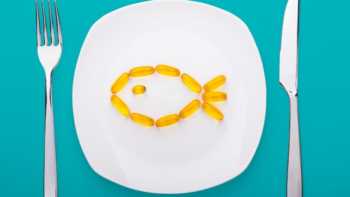
Is it safe to consume fish oil as a long-term food supplement?
Learn more about fish oil supplement safety including long-term use, side effects, and more.
Which supplements should be taken with food?
Find out which supplements should be taken with food, including vitamins A, D, E, and K, fish oil, and CoQ10.

When is the best time to take probiotics to prevent diarrhea from antibiotics - before, during, or after the course of antibiotic treatment?
When is the best time to take probiotics to reduce the risk of diarrhea from antibiotics?
I use beta-sitosterol for my prostate. Should it be taken with or without food?
How should you take the prostate supplement beta-sitosterol to maximize absorption? Learn more at ConsumerLab.com.


Submit your question
Thank you for submitting your question.
Submit your question
This feature is restricted to active members.
Join now to submit your question and get instant access to all member benefits, including over 1,400 product reviews.
Join NowAlready a member? Sign in here.