ConsumerLab.com uses JavaScript to provide the best possible experience for our content, but your browser has it disabled. Learn how to enable it here.
Do sterol/stanol and policosanol supplements lower cholesterol?
Although many types of supplements are touted for lowering high cholesterol levels, those with the best evidence of efficacy are sterols/stanols, red yeast rice, and high-dose niacin. In this Review, we tested sterols/stanols. There is modest evidence of efficacy for other supplements such as policosanol (also tested in this Review), fish oil, garlic, guggulsterone, pantethine, soy protein, and Sytrinol (see Summary of Evidence table).
What did CL's tests find in sterol/stanol cholesterol supplements?
Tests by ConsumerLab revealed that one sterol product contained less of a specific sterol than claimed and a policosanol product did not contain the expected amount of a specific policosanol. Across products, the dose of sterols/stanols per serving ranged from 400 mg to 900 mg and 10 mg to 20 mg of policosanol. The cost to obtain 800 mg of sterols/stanols ranged from 16 cents to 74 cents and the cost for 20 mg of policosanol ranged from 11 cents to 59 cents. (See What CL Found and How Products Were Evaluated).
Top Picks for sterol/stanol and policosanol supplements
Among products Approved in testing, ConsumerLab selected a Top Pick for sterols/stanols that provided an ample dose at relatively low cost and its effectiveness is backed by a positive clinical trial. The Top Pick for policosanol provided what may be the best form of policosanol and relatively low cost.
What is the right dose of sterols/stanols and policosanol and the best time to take them?
Dosage for sterols is at least 400 mg with a meal or (1,000 mg for stanols), twice daily. For policosanol, it is 10 to 20 mg daily. See the ConsumerTips™ section for more about dosage and forms.
Cautions:
Beta-sitosterol appears to be generally well-tolerated even at doses commonly found in cholesterol-lowering supplements. Rarely, however, erectile dysfunction and loss of libido have been reported. For details about this and other potential side effects (as well as side effects of saw palmetto, which is often combined with beta-sitosterol in prostate supplements) see the Concerns and Cautions section of our Prostate Supplements Review.
Sterols/stanols may also interfere with absorption of fat-soluble vitamins and, rarely, their use has been associated with elevations in liver enzymes. A range of side effects, including migraines and insomnia, have been reported with policosanol and it should be used with caution in people taking anti-platelet or anti-coagulant drugs. (For details, see Concerns and Cautions.)
Products tested in 2019
+— 27 sources
In addition the results of its expert testing, ConsumerLab uses only high-quality, evidence based, information sources. These sources include peer-reviewed studies and information from agencies such as the FDA and USDA, and the National Academy of Medicine. On evolving topics, studies from pre-print journals may be sourced. All of our content is reviewed by medical doctors and doctoral-level experts in pharmacology, toxicology, and chemistry. We continually update and medically review our information to keep our content trustworthy, accurate, and reliable. The following sources are referenced in this article:
Alphabetical list of cholesterol-lowering supplement brands with sterols or policosanol compared in this review
Designs For Health Foresterol
GNC Policosanol
ModuChol
Nature Made CholestOff Plus
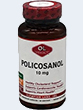
Olympian Labs Policosanol
Piping Rock Ultra Policosanol
ProCaps Laboratories CholestaCare
Solgar Policosanol 20 mg
The Vitamin Shoppe Policosanol
Vibrant Health Cholesterol Blockers Version 2.3
You must be a member to get the full test results for plant sterol and policosanol supplements along with ConsumerLab.com recommendations and quality ratings. You will get results for ten supplements: Eight selected by ConsumerLab.com and two others that passed the same testing through our voluntary Quality Certification Program.
In this comprehensive review, you'll discover:
Which plant sterol and policosanol supplements failed testing and which passed
ConsumerLab's Top Picks for sterol and policosanol supplements
The evidence for phytosterol spreads like Smart Balance and Benecol
How much to take, and the best way to take sterol, stanol and policosanol supplements
Concerns, cautions, drug and nutrient interactions, and potential side effects of plant sterols and policosanol
The pros and cons of other cholesterol-lowering ingredients such as fish oil (omega-3), garlic, niacin, red yeast rice, guggulsterone, pantethine, soy protein and Sytrinol, and which may be best for you (links to our product reviews for many of these supplements are included)
Make sure you're choosing the best sterol or policosanol supplements approved in our tests!
For a Limited Time, Become a Member for $1.25/week
Cholesterol-Lowering Supplements: What Experts Recommend
March 16, 2026
Which supplements, if any, are recommended to reduce cholesterol levels? A panel of experts weighed in. Find out what they concluded in our Cholesterol-Lowering Supplements Review.
Two CL members have reported elevated liver enzymes after taking a popular cholesterol-lowering supplement, although this appears to be rare. Get the details in the Concerns and Cautions section of our Cholesterol-Lowering Supplements Review.
Lowering Cholesterol with Red Yeast Rice and Phytosterols
September 27, 2017
Red yeast rice and phytosterols help lower cholesterol through different mechanisms. Does combining them help more? See what two studies found in the ConsumerTips section of the Cholesterol-Lowerers Review >>
Stanols Lower Cholesterol
July 29, 2015
Many studies have shown that plant sterols and stanols can help lower levels of LDL "bad" cholesterol. A new placebo-controlled study, which involved advice on diet and exercise, found benefit with a slightly lower dose of stanols than typically recommended. Get the details in the "What to Consider When Buying" section of the Cholesterol-Lowering Supplements Review »
Do Plant Sterols Help?
June 10, 2015
Many studies have shown that taking plant sterols with meals can lower levels of LDL "bad" cholesterol. While that's a good thing, a recent study questions whether this reduces the risk of cardiovascular disease — the main target of treatment. Get the details in the "Concerns and Cautions" section of the Cholesterol-Lowering Supplements (Sterols and Policosanol) Review >>
Taking Fish Oil with Sterols
August 31, 2014
A new study found that adding EPA and DHA from fish oil to a spread containing plant sterols is not a problem and may provide additional benefit for those with high cholesterol levels. For more information, including dosage amounts, see the update in the Review of Cholesterol-Lowerers >>
Red Yeast Rice with Sterols?
May 27, 2013
It is well known that taking a red yeast rice supplement can cause large reductions in LDL "bad" cholesterol and that sterol or stanol esters can lead to modest reductions. But does combining them result in greater benefits than using either alone? A new study says no. It's unclear, however, whether this is always the case. Get details in the updated Red Yeast Rice Supplements Review >>. Also see the updated, Cholesterol Lowering Supplements Review >>
Do Spreads Lower Heart Risk?
September 30, 2012
Buttery spreads like Smart Balance and Benecol claim to lower the risk of heart disease due to their phytosterols/stanols. These plant compounds can certainly help (by lowering cholesterol levels), but recent lawsuits challenge whether Smart Balance and Benecol provide enough sterols/stanols to claim a benefit. It turns out that one may, and one may not. Find out more and get our quality ratings of cholesterol-lowering supplements in the updated Cholesterol-Lowering Supplements Review >>
A More Effective Way to Take Sterols/Stanols to Lower Cholesterol?
August 05, 2012
A new study shows that taking sterols and stanols from a softgel appears to lower cholesterol more effectively than from a tablet. Get the details, including the name of a new product like the one taken in the study, in the updated Cholesterol-Lowering Supplements Review. More >>
When Not to Take Selenium Cholesterol Lowering with Sterols/Stanols
March 04, 2012
A recent study using a popular supplement, CholestOff, showed a modest reduction in LDL ("bad") cholesterol and total cholesterol. The reductions were not as dramatic as in some other studies of sterols and stanols; possibly because participants in the study were already on a cholesterol-lowering diet. See the update to the Cholesterol-Lowering Supplements Review for details of the study, more information about the diet, and our tests of CholestOff and other cholesterol-lowering supplements. More >>
As a ConsumerLab.com member, you may print a copy of this report for your personal use.
You can access a special print version by clicking the "Print" icon in the upper right corner of this report.
You can then use your web browser's print functions to print the whole report or just selected pages.
You may also email or post a link to this report using the web address above.
Non-members using the link will see a free summary and can join to view the full report.
Other means of copying or distributing this report, in part or full, are not permitted.
If you are sight-impaired and your computer is having trouble converting the text in this report to speech,
contact us for assistance at Membership@ConsumerLab.com or by
phone at 914-722-9149.
The "Latest Update" date indicates when new clinical or product information was most recently added. In the full review (available to CL members), the newest information is highlighted in yellow and, if a new product is added, it is footnoted in the results table, showing the date added to the review. The year(s) when testing was completed for the products in the review appears at the end of the Summary section.