






Quick Summary
-
What is vitamin K?
Vitamin K helps with proper blood clotting as well as with calcium utilization in bones and the cardiovascular system. It may also reduce nighttime muscle cramps (see What It Does). -
Do you need to take vitamin K as a supplement?
Most people are not deficient in vitamin K and symptomatic deficiency is rare, so unless you have a malabsorption condition or are severely malnourished, you likely get sufficient vitamin K from your diet (e.g., from green leafy vegetables, dairy, and fermented foods (see how to get vitamin K from food). Higher intakes of certain forms of vitamin K2 from food have been associated with a reduced risk of coronary artery calcification and mortality from coronary heart disease. Vitamin K supplements, typically at high doses, have been clinically evaluated to see if they increase bone density, reduce fractures, or reduce coronary artery calcification and improve cardiovascular function, but results have been mixed, so it is not clear that supplementation will help (see What It Does). -
Which form of vitamin K is best?
There are several forms of vitamin K. All are active, but one, the MK-7 form of vitamin K2, has a longer-half life than vitamin K1 and the MK-4 form of K2, so that smaller doses may be used (see What It Is and What to Consider When Buying). -
What did CL's tests of vitamin K supplements find?
Among the vitamin K supplements selected and purchased by ConsumerLab for testing, one contained only 80.8% of its listed vitamin K and another contained much more vitamin D than listed. The other products passed CL's tests, including several tested through CL's Quality Certification Program, (see What CL Found).
-
Which vitamin K supplement is best?
Among the vitamin K supplements that CL tested and Approved for Quality (see What CL Found and How Products Were Evaluated), CL selected Top Picks based on quality, dosage, and price, for vitamin K1 as well the MK-4 and MK-7 forms of vitamin K2, some of which include vitamin D, calcium, and/or magensium.
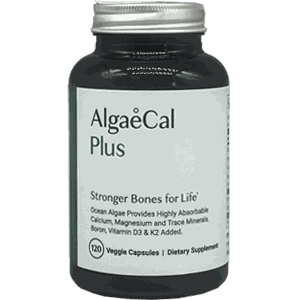
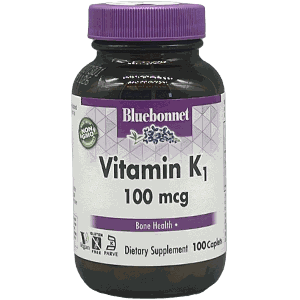
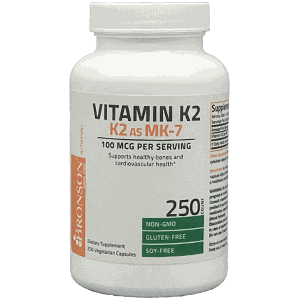
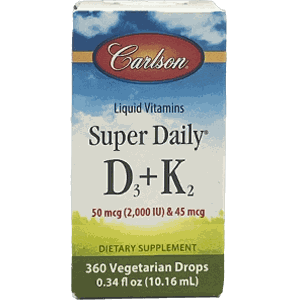
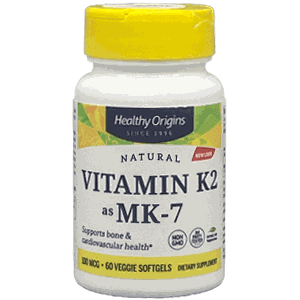
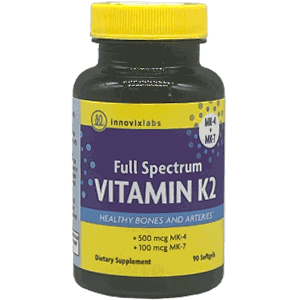
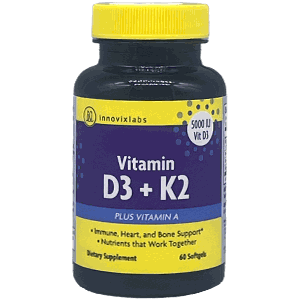
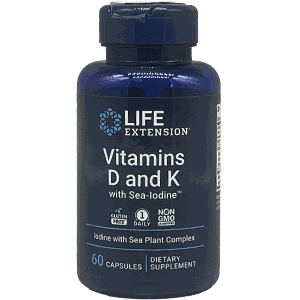
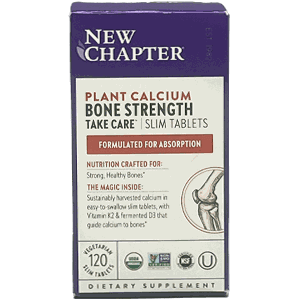
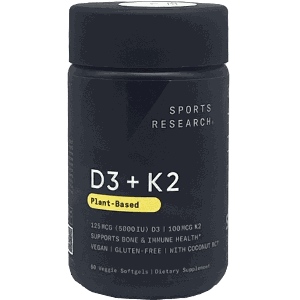
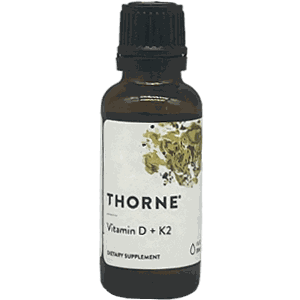
Brands tested in the Review are AlgaeCal, Bluebonnet, Bronson, Carlson, Healthy Origins, Innovixlabs, Life Extension, New Chapter, Sports Research, and Thorne Vitamin D + K2. Other products discussed include Jarrow BoneUp and Naturelo Bone Strength. -
How much vitamin K should I take?
For adults, adequate daily intake of vitamin K is 90 mcg for women and 120 mcg for men. It is difficult to know what dose may be most useful in bone health (or if any dose is truly beneficial). However, studies involving supplements containing K1 or the MK-4 form of K2 tend to use very high doses (e.g., 500 mcg to 45,000 mcg), while studies with the MK-7 form of K2 have used more moderate doses, e.g., 180 mcg (see What to Consider When Using) -
How to take vitamin K:
Vitamin K is fat soluble, so you'll absorb more of it when you take it with a meal that has fats or oils. However, because other fat-soluble vitamins, such as vitamin D, can compete with vitamin K for absorption, it's best to take vitamin K at least 3 hours apart from vitamin D (see What to Consider When Using). [Note: Many bone health supplements contain vitamins K and D together, but there is no need for this. Also, vitamin K does not lower the risks associated with taking high-dose vitamin D or prevent vitamin D overdose.] -
Vitamin K safety and side effects:
Vitamin K is fairly safe. However, it can interact with certain medications, including blood-thinning drugs. If you have an allergy to soy, be aware that most MK-7 forms of vitamin K are derived from soy — although one brand is derived from chickpeas (see Concerns and Cautions).