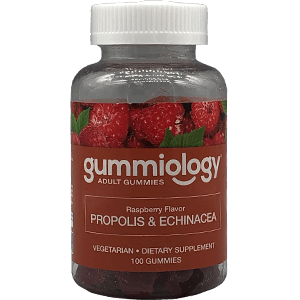
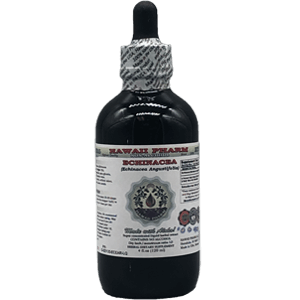
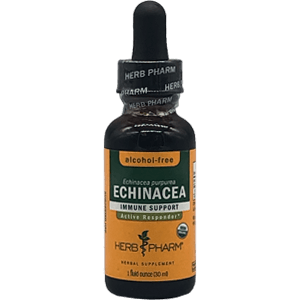
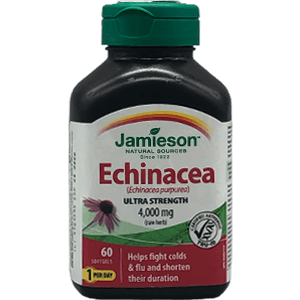
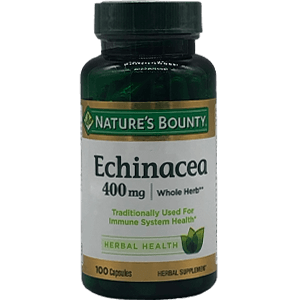
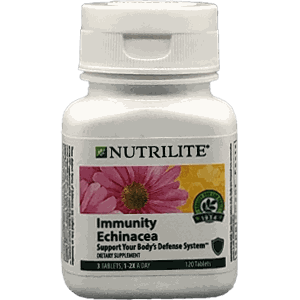
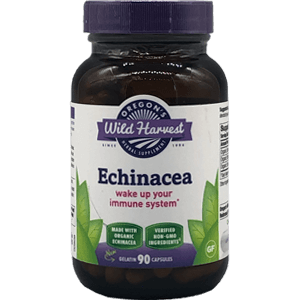
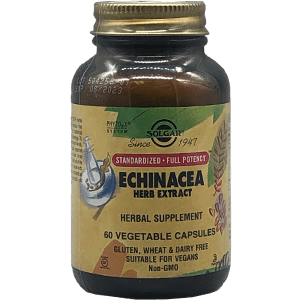
Products tested in 2021
+— 25 sources
In addition the results of its expert testing, ConsumerLab uses only high-quality, evidence based, information sources. These sources include peer-reviewed studies and information from agencies such as the FDA and USDA, and the National Academy of Medicine. On evolving topics, studies from pre-print journals may be sourced. All of our content is reviewed by medical doctors and doctoral-level experts in pharmacology, toxicology, and chemistry. We continually update and medically review our information to keep our content trustworthy, accurate, and reliable. The following sources are referenced in this article:
- Hudson, Pharmaceuticals (Basel
- Barrett, Ann Int Med 2010
- Dorn, Complement Ther Med 1997
- EFSA J, 2016
- Haller, Phytother Res 2020
- Hauke, Chemotherapy 2002
- Jawad, Evid Based Compl Alt Med 2012
- Lopresti, J Affect Disord 2021
- Melchart, Arch Fam Med 1998
- Millet, Clin Toxicol 1981
- Naser, Phytomedicine 2005
- O'Neil, Ann Allergy Asthma Immunol 2008
- Qu, HortScience 2005
- Shah, Lancet Infect Dis 2007
- Signer, Virology 2020
- Signer, Virology 2020 — author correction
- Taylor, JAMA, 2003
- Zepelin, Curr Med Res Opin 1999
- Linde, Cochrane Database Syst Rev 2006
- Abdul, Br J Clin Pharmacol 2010
- Budzinski, Phytomedicine 2000
- Coumadin Prescribing Information 2019
- Gorski, Clin Pharmacol Ther 2004
- Gurley, Planta Med 2012
- Perri, Can J Clin Pharmacol 2006
Quick Summary
-
What do Echinacea supplements do?
Echinacea supplements may modestly help prevent colds when taken during cold season and/or reduce the severity of a cold if taken at the first onset of symptoms — although the evidence is mixed. Limited evidence suggests that a form of Echinacea may modestly reduce anxiety (see What It Does). Phenolic compounds in Echinacea may be responsible for some of the herb's effects (see What It Is).
-
What did CL's tests of Echinacea find?
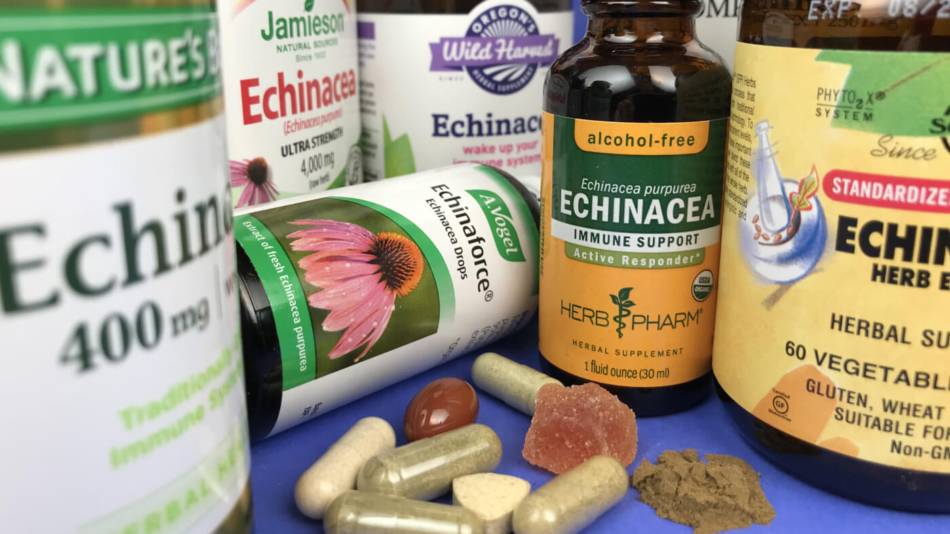
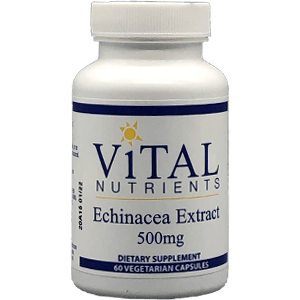
Four products did not contain the expected minimum amounts of total phenolic compounds (one had less than 2%), and two products did not even list their amounts of Echinacea (see What CL Found and How Products Were Evaluated).
Which Echinacea supplements are best?
Among six products Approved for Quality by ConsumerLab.com, two (an extract and a non-extract) were chosen as Top Picks.-
Which form and dose of Echinacea is best?
Echinacea comes in various forms and concentrations, but most positive clinical studies used products extracted from aerial parts (leaves, flowers, stems) of E. purpurea or the roots of E. angustifolia (see ConsumerTips).
-
Is Echinacea safe?
Echinacea appears to be relatively safe for short-term use (up to 12 weeks), and side-effects tend to be mild (GI symptoms, increases urination). However, be aware that some people may have allergic reactions, such as rashes, and rarely, liver damage has been reported. Although Echinacea may affect the metabolism of a variety of drugs, the effect may be small (see Concerns and Cautions).
You must be a member to get the full test results for Echinacea supplements along with ConsumerLab.com recommendations and quality ratings. In this review, you'll get test results and quality ratings for 10 Echinacea supplements selected for testing by ConsumerLab and two others that passed testing in our voluntary Quality Certification Program.
In this comprehensive review, you'll discover:  Which Echinacea supplements passed or failed testing Which Echinacea supplements passed or failed testing
- ConsumerLab.com's Top Picks among Echinacea supplements
- The clinical evidence for, or against, using Echinacea for preventing colds, reducing cold symptoms, and other uses, such as anxiety
- What to look for on labels: Echinacea species (such as E. purpurea and E. angustifolia), plant parts (such as aerial and root), forms (extracts and herb powders) and dosage
- Cost comparisons and which products offer the best value
- The evidence for other ingredients, like goldenseal, elderberry and zinc, which are often combined with Echinacea
- Safety, side effects, and drug interactions with Echinacea
As a ConsumerLab.com member, you may print a copy of this report for your personal use.
You can access a special print version by clicking the "Print" icon in the upper right corner of this report.
You can then use your web browser's print functions to print the whole report or just selected pages.
You may also email or post a link to this report using the web address above.
Non-members using the link will see a free summary and can join to view the full report.
Other means of copying or distributing this report, in part or full, are not permitted.
If you are sight-impaired and your computer is having trouble converting the text in this report to speech,
contact us for assistance at [email protected] or by
phone at 914-722-9149.
The "Latest Update" date indicates when new clinical or product information was most recently added. In the full review (available to CL members), the newest information is highlighted in yellow and, if a new product is added, it is footnoted in the results table, showing the date added to the review. The year(s) when testing was completed for the products in the review appears at the end of the Summary section.
|