




Quick Summary
What is green tea?
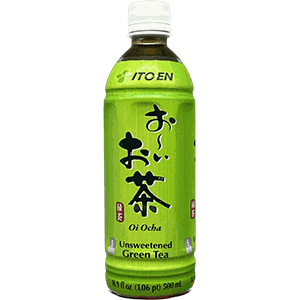
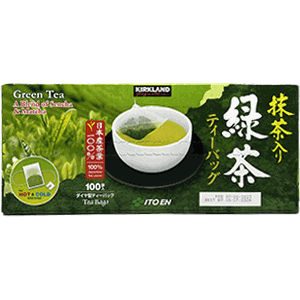
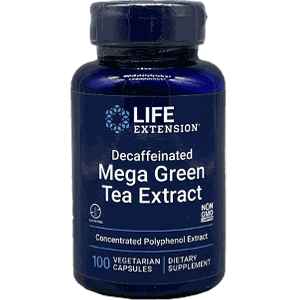
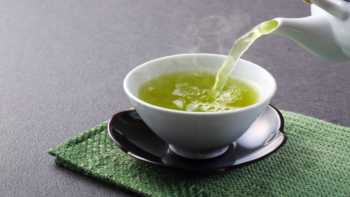
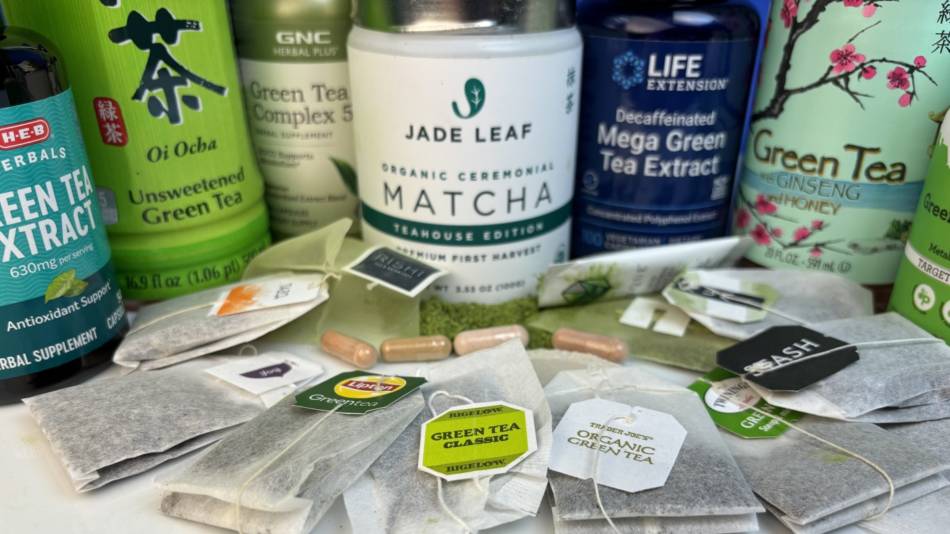
Green tea is made by lightly steaming freshly cut leaves of Camellia sinensis. It is higher in antioxidant catechins (polyphenols) such as EGCG than black tea. It is sold in many forms such as tea bags, loose leaf teas, matcha powders, bottled teas, and as supplements containing extracts with high concentrations of catechins. Green tea also contains caffeine — about half as much per cup as in coffee (see What It Is).
Health benefits of green tea:
Health benefits are generally associated with catechins in green tea, most notably EGCG. Benefits include a modest reduction in LDL cholesterol, reduced growth of uterine fibroids and associations with lower risks of cardiovascular disease, certain cancers and type 2 diabetes. These benefits are generally associated with consumption of 3 or more cups per day. Studies with green tea supplements typically provide 200 mg to 300 mg per day. The evidence regarding weight loss and memory benefits is mixed and may relate to the caffeine in green tea (see What It Does).
What did CL's tests of green tea products find?
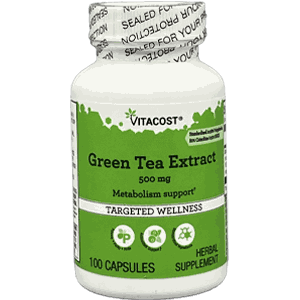
Our tests (see What CL Found and How Products Were Evaluated) found shockingly little EGCG (only about 9 mg per serving) in two products, which were, therefore, Not Approved for quality by ConsumerLab. All other products had higher levels (29 mg to 118 mg per serving). Supplements (sold as capsules) provided an enormous range of EGCG — from just 40 mg to 470 mg per serving.
Our tests for caffeine found 1 to 8 mg in decaffeinated teas and 17 mg to 56 mg in other teas made from about 2 grams of tea leaf.
Which is the best green tea?
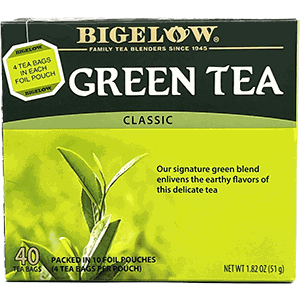
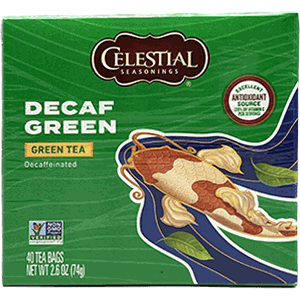
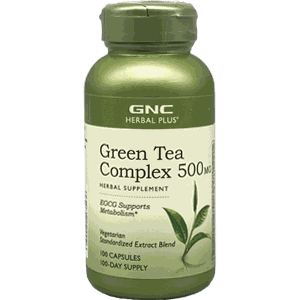
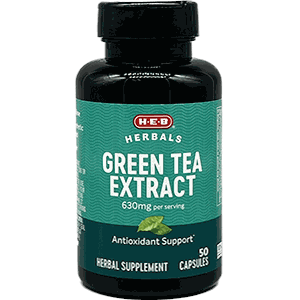
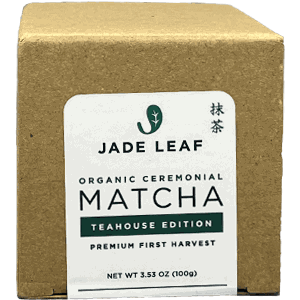
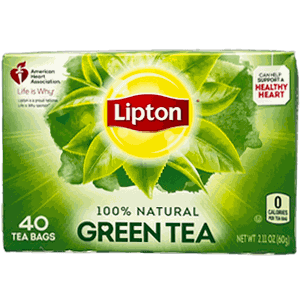
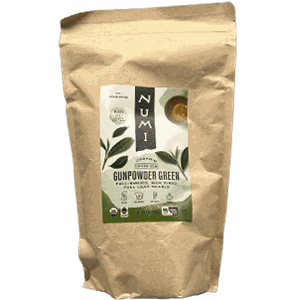
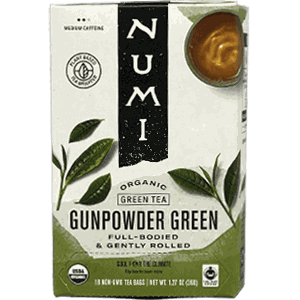
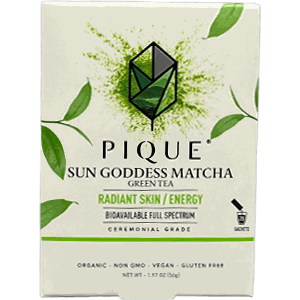
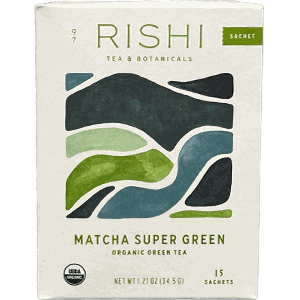
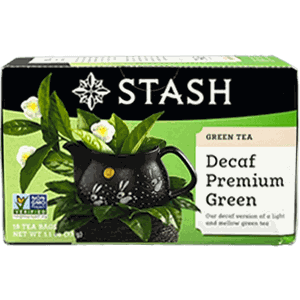
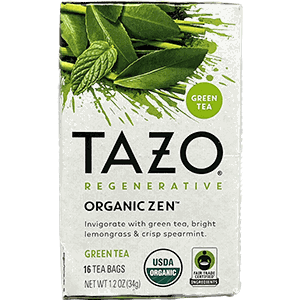
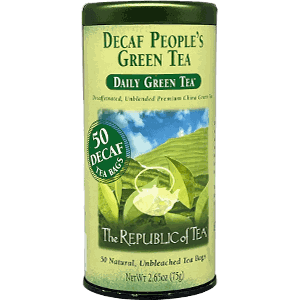
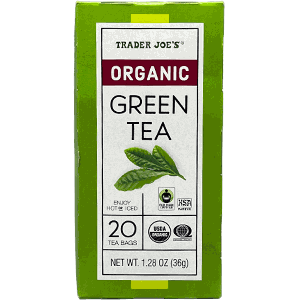
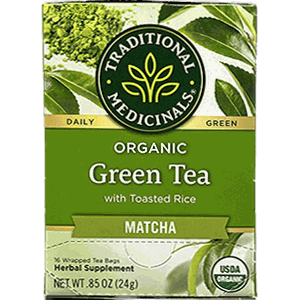
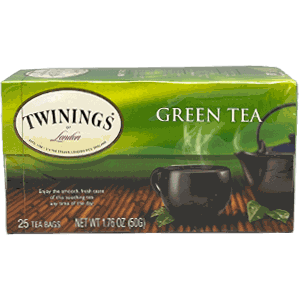
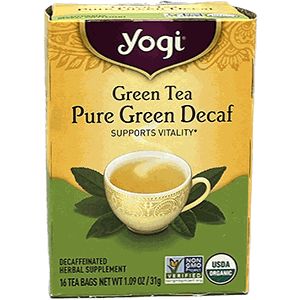
We chose Top Picks in several categories. Our Top Picks among green tea in tea bags stood out for having great flavor and significant amounts of EGCG at modest cost. We chose one high-strength (118.3 mg per bag) and one moderate-strength (47.2 mg per bag) green tea, as well as a decaffeinated, moderate-strength green tea (59 mg per bag). Our Top Pick for ceremonial matcha powder costs just 1/3 the price of another matcha powder and provides the same high-dose of EGCG. We tested and Approved two loose leaf teas but we don't consider either a Top Pick. We chose moderate-strength and high-strength Top Picks among green tea supplements.
Heavy metals in green tea?
Green tea leaves can accumulate toxic lead and arsenic, but most products had little to none. Even those containing the highest amounts are unlikely to pose a health risk to adults, but pregnant women may wish to avoid them.
Green tea safety, side effects, and drug interactions:
Green tea can interfere with a range of drugs. Liver toxicity is a concern with high doses of EGCG from green tea supplements, particularly if not consumed with food. Green tea contains a small amount of fluoride and regularly consuming very large amounts of green tea can cause fluorosis, a condition that makes bones and teeth brittle. Avoid excessive green tea when pregnant. Don't drink very hot tea, as this has been associated with higher risk of gastric cancer (see Concerns and Cautions). Be aware that plastic (nylon) tea bags may release microplastics as well as reduce levels of EGCG in tea, and some tea bags are heat sealed with plastic — we identified which tea bags, by brand, contain plastic and which do not (See ConsumerTips).
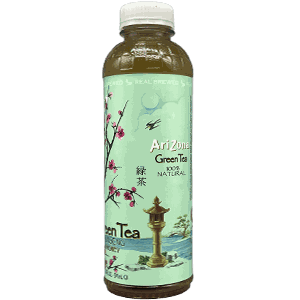
Products tested in 2024 and 2025
+— 144 sources
In addition the results of its expert testing, ConsumerLab uses only high-quality, evidence based, information sources. These sources include peer-reviewed studies and information from agencies such as the FDA and USDA, and the National Academy of Medicine. On evolving topics, studies from pre-print journals may be sourced. All of our content is reviewed by medical doctors and doctoral-level experts in pharmacology, toxicology, and chemistry. We continually update and medically review our information to keep our content trustworthy, accurate, and reliable. The following sources are referenced in this article:
- Al-Shafei, Physiologic Rep 2019
- Arab, Stroke 2009
- Baba, Molecules 2020
- Baba, Nutrients 2024
- Bae, FEBS Open Bio 2023
- Bettuzzi, Cancer Res 2006
- Boehm, Cochrane Database Syst Rev 2009
- Brown, Br J Nutr 2011
- Chen, Clin Nutr 2015
- Dietz, Food Res Int 2017
- Feng, J Nutr Health Aging 2016
- Huang, Pub Health Nutr 2017
- Huxley, Arch Intern Med 2009
- Inoue-Choi, Ann Intern Med 2022
- Isaacs, Antimicrob Agents Chemother 2008
- Islam, Scientific Reports 2023
- Islami, Int J Cancer 2019
- Janssens, J Nutr 2015
- Janssens, PLoS One 2016
- Jin, Microbio Immunol 2012
- Kazuki, BMC Public Health 2016
- Kokubo, Stroke 2013
- Koo, Eur J Pharmacol 2004
- Kuriyama, Am J Clin Nutr 2006
- Kuriyama, JAMA 2006
- Liu, Eur J Epidemiol 2016
- Liu, J Agric Food Chem 2018
- Lochocka, Nature Sci Reports 2015
- Lu, Complement Ther Med 2016
- Matsumoto, BMC Complement Altern Med 2011
- Micali, Arch Ital Urol Androl 2017
- Mielgo-Ayuso Br J Nutr 2014
- Ogunleye, Breast Cancer Res Treat 2010
- Park, J Med Food 2011
- Park, J Nutr 2011
- Phung, Am J Clin Nutr 2010
- Roshdy, Int J Wom Health 2013
- Samavat, Cancer Prev Res 2017
- Samavat, J Nutr 2019
- Saokaew, J Evid Based Complementary Altern Med 2017
- Schmidt, Psychopharm 2014
- Science Daily 2025
- Seufferlein, Am J Gastroenterol 2022
- Shanafelt, Cancer 2013
- Shin, Clin Nutr 2017
- Shindel, ACS Food Sci Technol 2025
- Shirai, Public Health Nutr 2019
- Takahashi, J Nutr Biochem 2019
- Tang, Lung Cancer 2009
- Tian, Am J Clin Nutr 2019
- Wang, Eur J Epidemiol 2020
- Wang, Nutr Metab Cardiovasc Dis 2023
- Willard, Blood 2020
- Xu, ACS Food Sci Technol 2023
- Xu, Nutr J 2020
- Yamada, Nutr J 2016
- Yang, Clin Epidemiol 2018
- Zeng, Nutr Res 2024
- Zhang, Asia Pac J Clin Nutr 2024
- Zhang, Carcinogenesis 2018
- Zhang, Int J Cancer 2019
- Zhang, JAMA 2026
- Zheng, Am J Clin Nutr 2011
- Zheng, Nutr Cancer 2011
- de Oliveira Food Chem Toxicol 2013
- CBC, 2014
- Han, Environmental Pollution, 2006
- Banaei, Chemosphere 2024
- Cook, J Environ Radioact 2016
- D'Auria, Front Plant Sci 2022
- Egert, Eur J Nutr 2013
- European Union 2014
- FDA 2015
- FDA 2023
- Franks, Nutrients 2019
- Friedman, 2005 J Food Sci
- Friedman, J Food Sci 2009
- Fujioka, Molecules 2016
- Gao, J Agric Food Chem 2018
- Hagan, Polymer Science 2012
- He, Heliyon 2024
- Hernandez, Environ Sci Technol 2019
- Hursel, Nutrients 2011
- Jakubczyk, Foods 2020
- Khokhar, J Agric Food Chem 2002
- Kulkarni, Arch Surg 1966
- Kumar, Canc Prev Res 2015
- Lantano, J Food Sci Technol 2015
- Lazrak, J Nutr 2021
- Liu, Food Safety and Toxicology 2025
- Rudnik, Handbook of Polymers and Biodegradable Plastics 2013
- Tagami, J Environ Radioact 2020
- Uchenna, J Food Sci 2010
- Vuong, J Food Compost Anal 2012
- Vuong, Sep Purif Rev 2014
- Wang, Am J Clin Nutr 2011
- Wang, Food Chemistry 2000
- Weiss, J Chromatogr A 2003
- Zhang, Fron Plant Sci 2020
- da Silva, Chem Eng J 2018
- Bajaj, J Clin Diagn Res 2016
- Booth, JADA 1995
- Charrier, Asia Pacific J Clin Nutr 2002
- Chen, CrystEngComm 2010
- Clarke, Clin Transl Sci 2023
- Clement, Nephrol Ther 2025
- Correa, Ann Epidemiol 2000
- Curhan, Am J Epidemiol 1996
- Curhan, Ann Intern Med 1998
- Das, Environ Pollut 2017
- Dostal, Food Chem Tox 2015
- EPA, 5/21/25
- FDA 2021, Dataset 4
- Ge, Evid Based Complement Alternat Med 2014
- Golden, Blood 2009
- Hampson, Env Int 2024
- Hegazy, J Pharm Res Int 2013
- IOM, 1997
- Itoh, J Urol 2005
- Izuora, JCEM 2011
- Jala, Food Control 2023
- Jeong, J Endourol 2006
- Kakumanu, NEJM 2013
- Kim, Drug Des Devel Ther 2017
- Kyriacou, Clin Pharmacol Ther 2025
- LiverTox Database
- LiverTox, NIH, 2013
- Lugg, BMJ Case Rep 2015
- Mahdavi, Urolithiasis 2013
- Massey, J Am Diet Assoc 1993
- McKay, J Am Diet Assoc 1995
- Misaka, Clin Pharm & Therapeut 2014
- Misaka, Eur J Clin Pharmacol 2018
- Nutescu, Expert Opin Drug Safety 2006
- Oketch-Rabah, Toxicol Rep 2020
- Oxalosis & Hyperoxaluria Foundation, Accessed 5/1/25
- Siener, Nutrients 2021
- Tian, Sci Rep 2016
- Werba, Ann Intern Med 2008
- Werba, Curr Pharm Des 2015
- Werba, J Food Drug Anal 2018
- World J Gastroent 2013
- Wu, Int J Toxicology 2011
- Zheng, J Food Sci 2014
You must be a ConsumerLab.com member to get the full green tea test results along with ConsumerLab's Top Picks and tips on how to choose and use green tea. You'll get results for 24 green tea products including brewable green teas, loose leaf teas, matcha powders, and green tea extract supplements. Twenty-three of these were selected by ConsumerLab.com and one other passed the same testing in CL's voluntary Quality Certification Program. In the review, you'll learn:
ConsumerLab's Top Picks for brewable and bottled green teas, loose leaf teas, matcha powders and green tea supplements based on quality, value, and even taste Which products passed or failed our tests and why How much EGCG, total catechins, and caffeine is in each product Why contamination with lead, cadmium and arsenic is a concern, and what our tests showed
Price comparisons showing how to get a green tea product with EGCG at the lowest cost Clinical information about the proposed health benefits of green tea, such as lowering cholesterol, weight loss, memory and cognition, cancer prevention and more, and dosage Cautions and potential side effects for green tea -- including drug interactions, concerns with plastic tea bags, a warning for women who are pregnant or nursing, liver toxicity, and effects on bones and teeth
As a ConsumerLab.com member, you may print a copy of this report for your personal use.
You can access a special print version by clicking the "Print" icon in the upper right corner of this report.
You can then use your web browser's print functions to print the whole report or just selected pages.
You may also email or post a link to this report using the web address above.
Non-members using the link will see a free summary and can join to view the full report.
Other means of copying or distributing this report, in part or full, are not permitted.
If you are sight-impaired and your computer is having trouble converting the text in this report to speech,
contact us for assistance at [email protected] or by
phone at 914-722-9149.
The "Latest Update" date indicates when new clinical or product information was most recently added. In the full review (available to CL members), the newest information is highlighted in yellow and, if a new product is added, it is footnoted in the results table, showing the date added to the review. The year(s) when testing was completed for the products in the review appears at the end of the Summary section.
|