



Quick Summary
-
What is choline?
Choline is is an essential nutrient. It is a component of cell membranes and the neurotransmitter acetylcholine, which is essential for proper brain function, and it helps remove fat from the liver (see What It Is). The body naturally produces some choline and the rest can be obtained from the diet, but some people are not able to produce sufficient choline, particularly postmenopausal women and people with certain genetic traits, putting them at risk for choline deficiency. In addition, women need extra choline when pregnant or nursing.
-
What does choline do?
Getting adequate choline from the diet helps prevent fatty liver (which can lead to reduced liver function) and muscle damage. During pregnancy, choline taken by women may reduce the risk of birth defects, and supplementation was even shown to improve infants' intellectual processing speeds. Supplemental choline has shown potential benefit with respect to stroke recovery, cognition, Alzheimer's disease, asthma, and ulcerative colitis (see What It Does).
-
How to get choline?
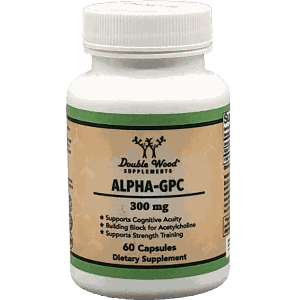
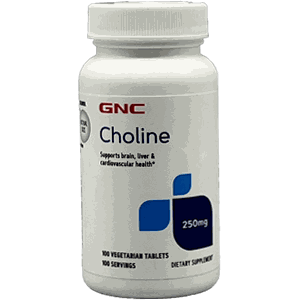
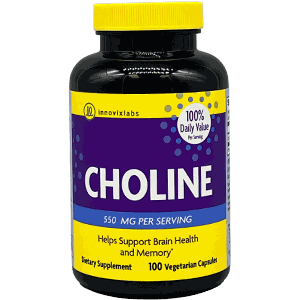
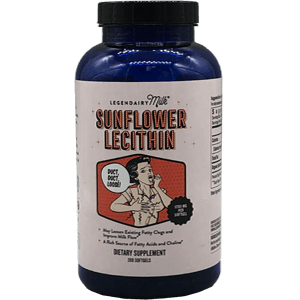
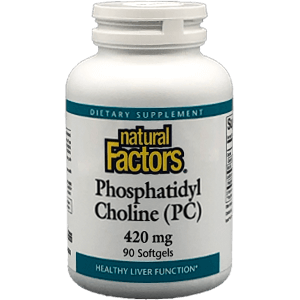
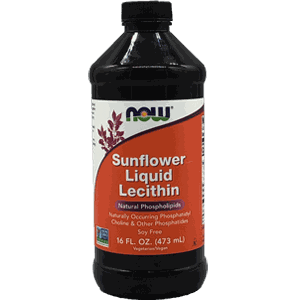
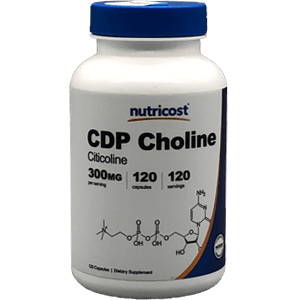
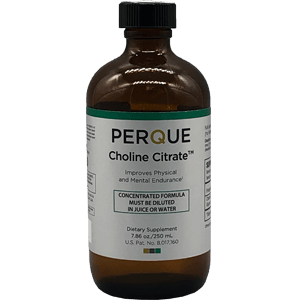
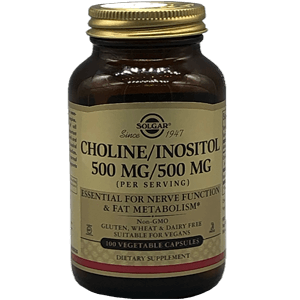
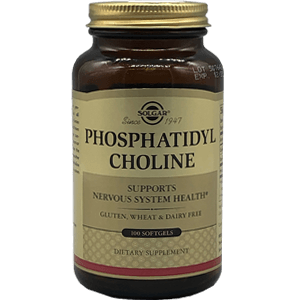
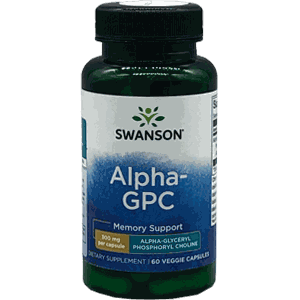
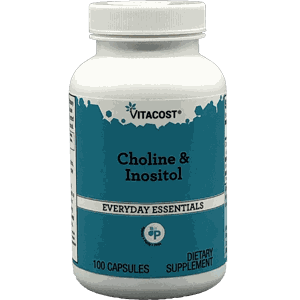
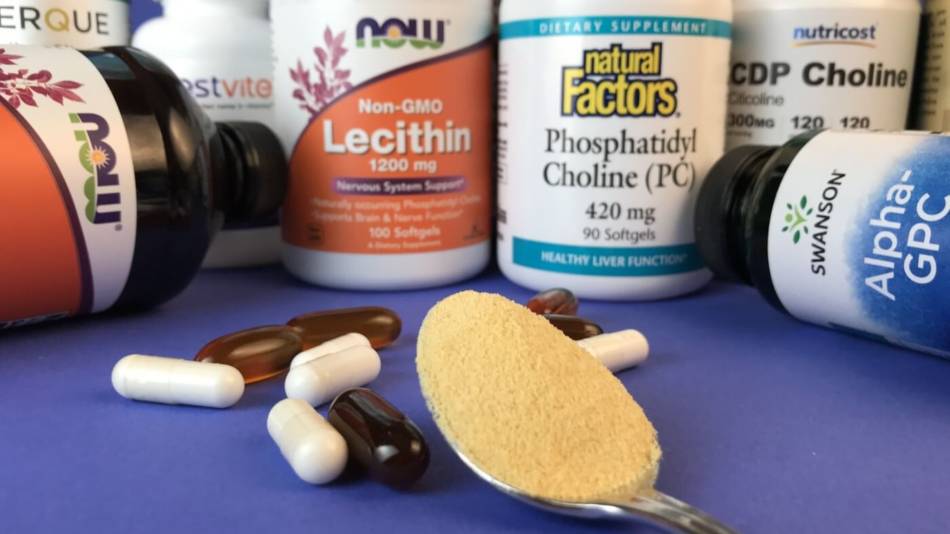
Many foods are good sources of choline, particularly egg yolks, meats, and legumes (see Getting It from Food). Lecithin, typically extracted from raw soybean or sunflower seed oils, is also a convenient food source of choline due to the phosphatidylcholine that it contains. (Lecithin is also a source of phosphatidylserine, which we have reviewed separately.) Supplements can also provide choline in a variety of forms, including phosphatidylcholine, alpha-GPC, CDP-choline (citicoline), choline bitartrate, and choline citrate. We purchased and tested products containing each of these forms.
-
Which form of choline is best?
A problem when choosing a choline supplement is that the different forms provide vastly different amounts of choline — and these differences are not clearly labeled. (See Comparison of Choline Ingredients in Supplements). To avoid confusion, we've calculated and shown the amounts of choline expected from the products we tested — as well as whether or not they contained these amounts (see the Results Table.
-
How much choline should I take?
Adequate daily intake of choline ranges from 200 mg to 550 mg depending on the person (see (see Recommended Intake), but many people get too little. The typical dose used in disease treatment ranges from 50 mg to several thousand milligrams daily of specific forms of choline (see Dosage). We found as little as 19.4 mg to as much as 500 mg of choline per serving in the supplements that we tested.
Best choline supplement?
Most, but not all, products passed our tests of quality (see What CL Found and How Products Were Evaluated), but only a few represent CL's Top Picks. We also chose an overall Top Pick that provides a form of choline that may be safer and better absorbed than others and is also relatively low cost. We found that you could pay as little as 4 cents to as much as 64 cents to get an equivalent 100 mg dose of choline from supplements.
-
Safety and side effects of choline:
Choline is generally safe, although gastrointestinal side effects may occur with higher doses. A small percentage of people may develop a fishy body odor from choline. Although cause-and-effect relationships have not been demonstrated, higher intake of choline has been associated with increased risk of colorectal cancer in women, and some forms of choline increase production of TMAO, which, itself, is associated with a higher risk of heart attack. (See Concerns and Cautions).
Products tested in 2021, 2022 and 2025
+— 58 sources
In addition the results of its expert testing, ConsumerLab uses only high-quality, evidence based, information sources. These sources include peer-reviewed studies and information from agencies such as the FDA and USDA, and the National Academy of Medicine. On evolving topics, studies from pre-print journals may be sourced. All of our content is reviewed by medical doctors and doctoral-level experts in pharmacology, toxicology, and chemistry. We continually update and medically review our information to keep our content trustworthy, accurate, and reliable. The following sources are referenced in this article:

- Corbin, Curr Opin Gastroenterol 2013
- Fischer, Am J Nutr 2010
- Zeisel, Nutr Rev 2009
- Akosman, Cureus 2025
- Bahnfleth, FASEB J 2022
- Bellar, J Int Soc Sports Nutr 2015
- Buchman, Hepatology 1995
- Carotenuto, J Alzheimers Dis 2016
- Castagna, Clin Drug Investig 2016
- Caudill, FASEB J 2017
- ClinicalTrials.gov, NCT02849951
- Davalos, Stroke 2002
- Deuster, Mil Med 2002
- Etienne, Neurology 1981
- Gareri, J Alzheimers Dis 2016
- Grieb, Front Aging Neurosci 2016
- Gupta, Indian J Chest Dis Allied Sci 1997
- Karner, Am J Gastroenterol 2014
- Li, Int J Clin Exp Med 2016
- Lippelt, PLoS One 2016
- Little, J Neurol Neurosurg Psychiatry 1985
- McGlade, Food Nutr Sci 2012
- McGlade, J Atten Disord 2015
- Mehta, Immunobiology 2010
- Mohs, Neurobiol Aging 1980
- Moreno, Clin Ther 2003
- Nagrecha, Clinic Pharmacol Biopharmaceut 2013
- Nakazaki, J Nutr 2021
- O'Connor, Am J Clin Nutr 2022
- Pan, J Nutr 2024
- Spiers, Arch Neurol 1996
- Stremmel, Dig Dis 2013
- Stremmel, Dig Dis 2021
- USDA NHANES 2013-2014
- Xu, FASB J 2008
- Smolders, Nutrients 2019
- Stremmel, Ann Intern Med 2007
- American Heart Association, 2017
- Bockmann, Eur J Nutr 2022
- Chen, Am J Clin Nutr 2020
- Cho, Curr Dev Nutr 2020
- Cho, J Natl Cancer Inst 2007
- Davis, Curr Neutraceuticals 2021
- Han, Cancer Causes and Control 2019
- Kleinguetl, Urology 2019
- Koay, Cardiovasc Res 2020
- Lee, JAMA Netw Open 2021
- Ma, Food Sci Nutr 2022
- Mazidi, Br J Nutr 2019
- Mitchell, Drug Metab Dispos 2001
- Nie, Stroke 2018
- Niu, Arch Gerontol Geriat 2024
- Paroni, Pharmacol Res Commun 1985
- Richman, Am J Clin Nutr 2012
- Synoradzki, Nutrients 2019
- Tang, New Eng J Med 2013
- Wilcox, Am J Med 2021
- Zhu, Circulation 2017
You must be a member to get the full test results along with ConsumerLab.com recommendations and quality ratings. You will get results for 11 choline-containing supplements selected by ConsumerLab.com and for five others that passed testing through our voluntary Quality Certification Program. In this comprehensive review, you'll discover:
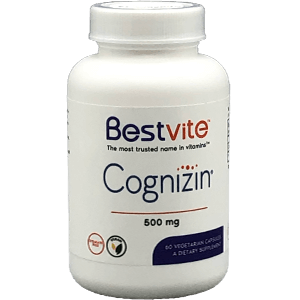
Which choline supplements passed our tests and which did not ConsumerLab.com's Top Picks, representing the best quality choline supplements at the best price Differences among forms of choline, including phosphatidylcholine (from lecithin), CDP-choline, citicoline, Cognizin, choline citrate, Alpha-GPC, choline alfoscerate and choline bitartrate
The evidence behind the health benefits of choline How to buy and use choline supplements How to get choline from foods Choline's side effects, cautions, and particular concerns with choline bitartrate
As a ConsumerLab.com member, you may print a copy of this report for your personal use.
You can access a special print version by clicking the "Print" icon in the upper right corner of this report.
You can then use your web browser's print functions to print the whole report or just selected pages.
You may also email or post a link to this report using the web address above.
Non-members using the link will see a free summary and can join to view the full report.
Other means of copying or distributing this report, in part or full, are not permitted.
If you are sight-impaired and your computer is having trouble converting the text in this report to speech,
contact us for assistance at [email protected] or by
phone at 914-722-9149.
The "Latest Update" date indicates when new clinical or product information was most recently added. In the full review (available to CL members), the newest information is highlighted in yellow and, if a new product is added, it is footnoted in the results table, showing the date added to the review. The year(s) when testing was completed for the products in the review appears at the end of the Summary section.
|