






Quick Summary
What is red yeast rice?
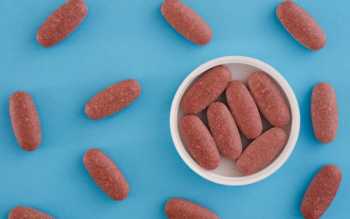
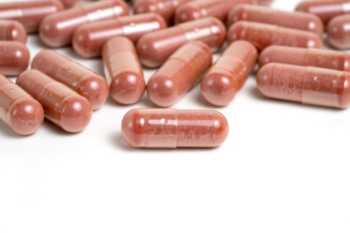
Red yeast rice (i.e., rice on which a particular yeast has grown) can naturally contain cholesterol-lowering lovastatin compounds known as monacolins K and KA, which are red in color (see What It Is).
Does red yeast rice work?
Red yeast rice can be very effective in lowering elevated levels of cholesterol, as shown in several clinical trials (see What It Does). However, not all red yeast rice supplements contain the amount of lovastatin needed to lower cholesterol, and products normally do not list the amount of lovastatin they contain on their labels.
What did CL find?
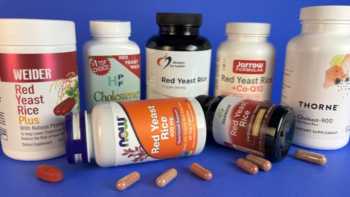
ConsumerLab independently tested 7 red yeast rice supplements from the following brands: Designs For Health, HPF Cholestene, Jarrow Formulas, NOW, Swanson, Thorne, and Weider.
The amount of lovastatin in the tested supplements ranged from 0.56 to 8 mg per 1,200 mg of red yeast rice (typically 2 capsules). When used within their suggested daily serving sizes, only 2 of 7 products provided the amounts of lovastatin known to lower cholesterol in placebo-controlled clinical trials (see What CL Found and How Products Were Evaluated). Only one of the two APPROVED products was solidly within the effective range, and it was also reasonably priced, making it our Top Pick for red yeast rice. [CRITICAL UPDATE (9/22/26): We recently discovered that our original Top Pick recently changed and now provides 60% less lovastatin than before.]
We also tested every product for citrinin, a potential kidney toxin, which, in the past, we have found in many products but, fortunately, was not detectable in any of the currently tested products.
Should you use red yeast rice?
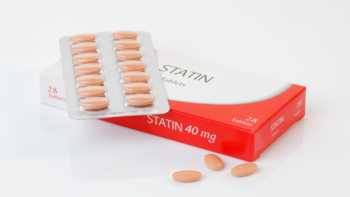
Based on the varying amounts of lovastatin in products and possible changes in these amounts over time, it may be preferable to use a prescription statin drug to ensure a more consistent dose (generic prescription lovastatin is also now lower cost than lovastatin from red yeast rice) (see ConsumerTips™). However, red yeast rice may be effective for some people who don't respond to statins drugs, and certain side effects may be diminished.
Best way to take red yeast rice?
It is best to take red yeast rice in two divided doses each day, with one dose before bedtime, as this may improve efficacy. Typically, 1,200 to 2,400 mg of red yeast rice is taken daily (two to four 600 mg pills).
Cautions
Red yeast rice can cause digestive upset and other mild symptoms, and may also, like other statins, cause muscle breakdown and affect the liver and kidneys. It can also interact with certain medications. Don't eat grapefruit or use St. John's wort when taking red yeast rice or other statins. Rarely, taking red yeast rice at night seems to cause insomnia. See Concerns and Cautions for more information.