



Save to favorites
This feature is restricted to active members.
Join now to save favorites and get all member benefits, including over 1,400 product reviews.
Join NowAlready a member? Sign in here.

Our Members Asked:
Do detox supplements work and are they safe?


Answer:
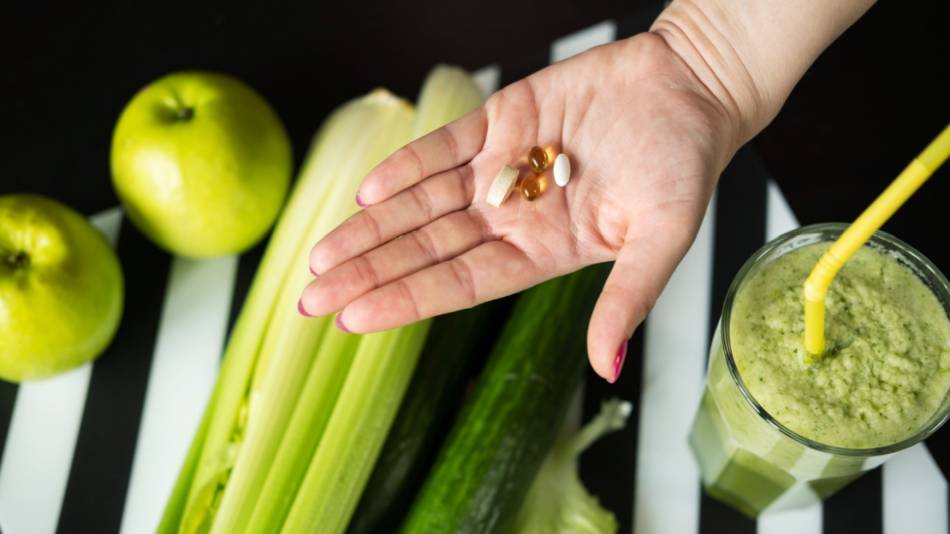
There is no convincing clinical evidence that "detox" supplements or over-the-counter "chelation" products help remove toxins from the body or help treat or prevent any medical condition.
In general, the body can eliminate toxins on its own, without additional products. Organs such as the liver, kidneys, gastrointestinal tract, skin and lungs have various pathways by which toxins can be metabolized to safer compounds or excreted from the body (Klein, J Hum Nutr Diet 2015). Consequently, most experts believe that dietary supplements are unlikely to help.
The promotion of supplements as detoxifiers comes mainly from research on animals, such as mice, but research in people is needed to confirm possible benefits (Klein, J Hum Nutr Diet 2015; Sears, J Environ Public Health 2012).
However, getting the recommended amounts of minerals, such as iron, in your diet (including with supplements) may reduce the absorption of toxic metals, such as lead.
For removing heavy metals
Mercury Removal
Selenium
Preliminary clinical research among 103 adults living in a region in China with elevated levels of mercury in the environment found that supplementing with 100 mcg of selenium (from selenium-enriched yeast) daily for 3 months tripled the urinary excretion of mercury compared to those supplementing with non-selenium-enriched yeast. However, the mechanism by which selenium worked to increase mercury elimination was unclear. Although selenium readily binds to mercury to form mercury selenide complexes, such complexes were not detected in the urine samples of the study participants (Li, Environ Sci Technol 2012). Also be aware that foods in China tend to contain less selenium than those in the U.S. so the results may not extend to a U.S. population.
Chlorella
Chlorella has been shown to reduce tissue retention of mercury and increase its excretion in the feces in mice when given as a single dose at the time of mercury exposure in an amount equivalent to a human dose of 1 gram for a person weighing about 155 lbs (Yadav, J App Phycol 2020). However, there do not appear to be any clinical studies confirming such a benefit in humans. Be aware that chlorella can cause gastrointestinal side effects in some people.
Lead Removal and Reduced Exposure
Iron
Iron is thought to competitively inhibit the absorption of lead in the intestines, so it is good to make sure that you are getting adequate amounts of iron from your diet and/or supplements, as higher dietary intake of iron has been inversely linked with blood levels of lead (Hammad, Ann Epidemiol 1996). However, taking iron has not been shown to remove lead from the body, and getting too much iron can be harmful.
Calcium
Some research based on models of lead and calcium absorption suggests that calcium may reduce the accumulation of lead in bones, since lead and calcium compete for the same site in bone tissue (Radulescu, Sci Rep 2019). However, this has not been confirmed in humans.
Zinc
Zinc and lead are thought to interact with the same absorption sites in the gastrointestinal tract. Therefore, zinc has been proposed as a possible strategy to reduce lead absorption, although this had not been evaluated in clinical research and results in animals are questionable. A study in rats exposed to low levels of lead (as lead acetate) found that the accumulation of lead in the muscle and testes was significantly lower among animals that were co-exposed to zinc (as zinc acetate) compared to those exposed to lead alone. However, zinc exposure did not reduce lead accumulation in other tissues, including the liver, kidney or brain as well as the blood (Kataba, J Vet Med Sci 2021).
Modified citrus pectin
A preliminary study in China among 7 children (age range 5 to 12 years) hospitalized with elevated blood levels of lead showed that taking 5 grams of modified citrus pectin (PectaSol) three times daily for 4 weeks decreased blood levels of lead from 28.1 to 54.9 mcg/dL at baseline to 11.1 to 17.6 mcg/dL at the end of the study (Zhao, Altern Ther Health Med 2008). However, the study did not include any placebo control group, which is needed to prove a benefit.
NAC (N-acetyl cysteine)
Laboratory and animal studies suggest that NAC may bind with toxic heavy metals such as lead, cadmium, and mercury and two clinical trials among people with very high blood levels of lead showed a decrease in blood levels of lead with NAC supplementation (Kasperczyk, Toxicol Ind Health 2015; Motawei, Obstet Gynecol Cases Rev 2018). However, the clinical studies did not include a placebo, which is needed to prove a benefit, and there do not appear to be studies with NAC focused on lowering levels of other toxic heavy metals, such as mercury. Be aware that, as discussed below, that a supplement containing NAC was found to be contaminated with lead in tests by a separate group.
Chlorella
A study in mice exposed to lead showed that 10-day treatment with chlorella vulgaris extract (50 mg/kg daily) given at the same time as lead exposure reduced blood levels of lead by about 66% compared to non-treated control mice. However, when given 24 hours after lead exposure, the reduction in blood lead levels was smaller (only 17% reduction compared to the control group) (Queiroz, Int Immunopharmacol 2003). There does not appear to be any clinical studies confirming the benefit, if any, of chlorella for reducing blood levels of lead in humans.
Zeolite
Zeolite (a family of porous materials made up of aluminum, silicon and oxygen) is promoted to remove toxins and heavy metals from the body and boost the immune system. However, there is little clinical evidence to support these uses, and there is concern that zeolite may reduce the effectiveness of a number of medications and may interfere with nutrient absorption.
Avoiding lead
See our article about lead-containing supplements for information about which foods or supplements are most likely to be contaminated with lead, and how to avoid it.
Arsenic Removal
Research suggests that increasing intake of foods or supplements that donate methyl groups, such as those discussed below, may help reduce arsenic toxicity and increase its excretion, although much of the supporting evidence comes from observational studies that do not prove cause-and-effect (Saxena, Annu Rev Nutr 2018). Also, many other factors including age, genetics, physical activity, smoking, and alcohol use can affect arsenic metabolism, which can affect how quickly it is cleared from the body (Sharma, J Trace Elem Med Biol 2018).
S-adenosyl-methionine (SAMe)
S-adenosyl-methionine (SAMe) is the main methyl donor for arsenic methylation, and it is speculated that having adequate levels of SAMe might increase arsenic clearance and reduce its toxic effects (Sharma, J Trace Elem Med Biol 2018). However, this has not been proven in clinical research.
Protein and certain amino acids
Protein and its amino acids such as methionine and cysteine can serve as methyl donors to help convert MMA to DMA, the less toxic methylated form of arsenic (Steinmaus, Environ Health Perspect 2005). An observational study in Bangladesh among 10,402 healthy adults found that those who consumed higher dietary amounts of methionine, cysteine, and/or protein had 10% to 15% higher urinary excretion of methylated arsenic compounds compared to those who consumed less (Heck, Environ Health Perspect 2009). Although promising, this association does not prove cause-and-effect and it is unclear what amount of protein or amino acids would be optimal for promoting arsenic clearance.
B vitamins
B vitamins, particularly folate (B-9) and cobalamin (B-12), play a key role in arsenic methylation, and preliminary research suggests that increasing intake of these vitamins may reduce arsenic levels in the body (Gamble, Am J Clin Nutr 2006). A study in Bangladesh among 622 adults exposed to arsenic showed that taking 800 mcg of folic acid daily for 12 or 24 weeks decreased blood levels of inorganic arsenic compared to placebo. However, taking only 400 mcg/day of folic acid, or taking 3 grams/day of creatine with or without 400 mcg of folic acid, was not beneficial (Peters, Environ Health Perspect 2015). Be aware that 800 mcg/day of folic acid is close to the tolerable upper intake level for folic acid of 1,000 mcg/day, above which serious side effects may occur.
Taking 5 mcg of vitamin B-12 along with 400 mcg of folic acid daily for 12 weeks was also shown to increase arsenic methylation compared to placebo in a clinical study among children ages 8 to 11 (Martinez-Morata, Environ Int 2024). Keep in mind that this dose of folic acid is at the UL for children that are 8 and is close to the UL for children 9-11 (600 mcg/day).
Other nutrients
Higher dietary intake of nutrients including calcium, choline, iron, niacin, zinc, selenium, and vitamin C have been linked with lower urinary levels of inorganic arsenic and higher levels of methylated arsenic in observational research (Lopez-Carrillo, Environ Res 2016; Heck, Am J Clin Nutr 2007; Steinmaus, Environ Health Perspect 2005). However, these associations do not prove cause-and-effect, and an analysis of data among children in Mexico showed that supplementing with zinc (20 mg/day of zinc oxide), iron (30 mg/day of ferrous fumarate), or the combination for 6 months did not significantly lower arsenic concentrations compared to placebo (Kordas, J Pediatr 2017.
Aluminum removal
Aluminum is not a heavy metal, but malic acid, citric acid, and succinic acid have been shown to reduce organ and tissue levels of aluminum in mice previously exposed to aluminum nitrate (Domingo, J Toxicol Clin Toxicol 1988). However, there are no clinical studies evaluating these compounds for treating aluminum toxicity in humans, and aluminum toxicity is extremely rare among healthy people with normal kidney function (ATSDR 2008).
Silicon may reduce the absorption of aluminum, although the form of silicon seems to matter and there is only limited evidence that it might help eliminate aluminum after it has been absorbed. A small study among five healthy men who were given 100 mL of orange juice containing 70 ng of aluminum, with or without silicon (about 1.22 mg of sodium silicate) showed that, one hour after consuming the drink, blood levels of aluminum were 85% lower with the drink containing silicon (Edwardson, Lancet 1993). Similarly, a study showed that consuming aluminum along with 17 mg of oligomeric silica (i.e., short chains of silicic acid) resulted in a 67% reduction in aluminum availability compared to consuming aluminum alone; however, consuming aluminum with 17 mg of monomeric silica (i.e., single units of silicic acid — also called orthosilicic acid, the form of silicon in BioSil) resulted in no significant difference in aluminum absorption (Jugdaohsingh, Am J Clin Nutr 2000). A study among adults with multiple sclerosis showed that drinking 1.5 liters per day of silicon-rich water (35 mg/L of silicic acid) without added aluminum for 12 weeks almost tripled the urinary excretion of aluminum. However, this study did not include a placebo group, which is needed to prove a benefit (Jones, eBioMedicine 2017). Keep in mind that many supplements contain silicon as silicon dioxide, which is poorly absorbed and does not appear to have been evaluated for reducing aluminum absorption or levels in humans.
Safety concerns with detox supplements
In addition to possible safety concerns related to specific ingredients promoted for detoxification as noted above, some detox supplements have been found to be adulterated with prescription drugs or other ingredients:
- GoLean Detox was recalled in 2019 after the FDA found that the supplement contained sibutramine (a drug that can increase blood pressure and pulse rate) and phenolphthalein (a laxative reclassified by the FDA in 1999 as "not generally recognized as safe and effective").
- Similarly, a product called Detox Plus was recalled the same year after the FDA found the product to contain Tadalafil (the active ingredient in the erectile dysfunction drug Cialis), as well as paynantheine and mitragynine, compounds found in kratom.
- In Canada, the "detox" supplement All Seasons Detox Kit was recalled in 2015 because it was found to contain over twice the acceptable limit of lead.
Some "detox" supplements include ingredients that may increase exposure to heavy metals. For example, BioToxin Binder by CellCore Biosciences contains a proprietary blend that includes fulvic acid — purportedly to "support the body's natural ability to detoxify." However, the product, which is sold individually and as part of CellCore's Para Kit and its Detox Support Protocol, includes the State of California's Prop 65 warning to alert consumers that the product contains lead in amounts that may cause birth defects or other reproductive harm. For a warning of reproductive harm, the limit is 0.5 mcg of lead per daily serving. A similar warning is on CellCore's Carboxy detox product, which is included as part of the company's Advanced MYC Support Kit, as well as CellCore's ViRadChem Binder and HM-ET Binder, both of which (along with BioToxin Binder) are part of CellCore's Foundational Protocol and Comprehensive Protocol.
Tests conducted by Lead Safe Mama in May 2025 of Bryan Johnson's Blueprint NAC + Ginger + Curcumin, which is promoted to support "detoxification" as well immune system health, joint health, and mood, found it to contain 0.89 mcg of lead per 3-capsule serving – almost twice California's Prop 65 limit of 0.5 mcg of lead per daily serving, above which a warning of reproductive harm is required. It also contained a very small amount of total arsenic (0.15 mcg per serving) but this is far below strict limits, such as California's limit of 10 mcg. Interestingly, the amount of lead found was 3 times the amount Blueprint reported in the Certificate of Analysis posted on its website in September 2025. It's not clear which ingredients contributed to the lead in this product, since NAC is produced synthetically, and the curcumin and ginger in the product are extracts, which are less likely to be contaminated with heavy metals than whole herb, although it also contains rice hulls, and heavy metal contamination is a known issue with rice, particularly in the outermost layers such as the hull.
In addition, the FDA has sent warning letters to manufacturers of detox supplements marketed as over-the-counter (OTC) "chelation" products, noting that these products have not been proven to be safe and effective for treating any of the conditions for which they are promoted, including autism spectrum disorder, heart disease, macular degeneration, Parkinson's disease, complications of diabetes, and many other diseases. Products for which these warnings have been issued include Detoxamin (oral and suppositories) by World Health Products; Bio-Chelat Heavy Metal Chelator, Behavior Balance DMG Liquid, AlkaLife Alkaline Drops, NutriBiotic Grapefruit Seed Extract, Natur-Leaf Kids Clear Detoxifying Clay Baths, and EBN Detoxifying Bentonite Clay by Evenbetternow; CardioRenew and CardioRestore by Cardio Renew Inc., and others. There are no OTC chelation products that are approved by the FDA, and the FDA warns against using supplements or OTC products marketed for chelation as there is no evidence they work for any condition, they may delay a patient from seeking proven medical care, and chelation can result in serious side effects including dehydration, kidney failure and death (FDA, Q & A on Unapproved Chelation Products 2/2/2016; FDA Consumer Health Information, 10/2010).
The Bottom Line:
Despite results mainly from laboratory studies, there is no convincing evidence that any supplements can help "detoxify" the body, and some supplements marketed as detox supplements have been found to contain adulterants.
Avoiding exposure to toxins may be a more practical strategy for reducing levels, and some experts even recommend this as the first step to eliminating accumulated toxins (Sears, J Environ Public Health 2012).
Be aware that products labeled as "organic" are not necessarily lower in heavy metals than non-organic products.
Join the conversation
Loading Comments…
Submit your comment
This feature is restricted to active members.
Join now to add comments and get all member benefits, including over 1,400 product reviews.
Join NowAlready a member? Sign in here.
Agree to Comment Terms
Please abide by the following:
- If you make a statement of fact, such as whether a type of treatment does or does not work, state your basis -- such as personal experience or a published study.
- If you make a positive or negative comment about a product, note whether or not you have a financial interest in the product or in a competing product.
- Please be respectful in your tone.
- Please do not submit any type of HTML markup or scripting as it will not be accepted, nor will posts that exceed 2,500 characters.
For your privacy, only your first name (from your account) followed by a random number will appear with your comment. Your last name and email address will not be displayed.
Your comment has been submitted
We will review your comment before it is posted.
Join today to unlock all member benefits including full access to all CL Answers and over 1,400 product reviews.
Join NowAlready a member? Sign In Here.
Join now at www.consumerlab.com/join/
Join over 300,000 people on our weekly email list.
Related Reviews (4)
Related CL Answers (2)


Join over 100,000 members and access 1,400+ product reviews

Find the best products with instant access to our latest tests & reviews of over 1,400 health products.
Save money by finding high-quality products at lower cost.
Stay safe with the latest clinical findings, warnings, and expert answers.
Access our weekly newsletter.