




THIS CONTENT IS COPYRIGHT PROTECTED
As a ConsumerLab.com member, you may print a copy of this report for your personal use. You can access a special print version by clicking the “Print” icon in the upper right corner of this report or by clicking here. You can then use your web browser's print functions to print the whole report or just selected pages. You may also email or post a link to this report using the web address above. Non-members using the link will see a free summary and can join to view the full report. Other means of copying or distributing this report, in part or full, are not permitted. If you are sight-impaired and your computer is having trouble converting the text in this report to speech, contact us for assistance at Membership@ConsumerLab.com or by phone at 888-676-9929, ext. 2#.
 |
Product Review: Zinc Supplements and Lozenges |
|
|
 |
Initial Posting: 11/28/2014 Last Update: 5/4/17
Sections: Jump to a section by clicking on its name.
What It Is:
Zinc is an essential mineral, one of the few nutrients for which a number of people are mildly deficient. Zinc deficiency is especially common in adolescents, infants, seniors and women in general, although severe deficiency is rare in developed countries. Certain drugs and nutrients can inhibit zinc absorption and/or increase its excretion (see "Using Zinc," below). Thus, for many people, increasing the intake of zinc-containing foods or taking a zinc supplement, either alone or as part of a multivitamin/multimineral, may be a prudent form of nutritional insurance.


As a dietary supplement, zinc is found in many forms, including zinc gluconate, zinc acetate, zinc citrate, zinc sulfate, zinc chelates, zinc carbonate, zinc orotate, and zinc picolinate. (See ConsumerTips for information about the forms of zinc and foods that contain zinc.)
What It Does:
Zinc plays a role in brain function, wound healing, sperm production, and vision maintenance. Zinc in pill or liquid form may be taken in nutritional doses to replenish depleted zinc levels.
In zinc deficiency
Among people who are deficient in zinc (especially the elderly), some evidence suggests that such replenishment might help increase immunity. Supplementation is particularly effective in reducing the duration and severity of diarrhea in zinc-deficient individuals.
For colds
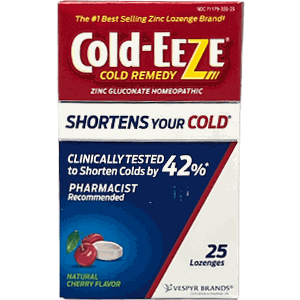
Use of zinc is associated with a significant reduction in the duration and severity of symptoms of the common cold when taken as a lozenge or nasal gel, where zinc may act directly in the throat or nose, according to a review of 15 clinical trials (Singh, Cochrane Database of Systematic Reviews 2011). (WARNING: There have been unconfirmed reports of loss of smell resulting from zinc nasal gel.). In fact, another review of 3 randomized, placebo-controlled, double-blind clinical trials involving substantial total daily doses (80 mg to 92 mg) of zinc from lozenges (9 to 13.3 mg of zinc per lozenge) given within 24 hours of cold symptoms found that they shortened the duration of nasal discharge by 34%, nasal congestion by 37%, sneezing by 22%, scratchy throat by 33%, sore throat by 18%, hoarseness by 43%, and cough by 46%. Interestingly, muscle ache was also shortened by 54% but there was no difference in the duration of headache or fever. (Hemila, BMC Family Practice 2015). An analysis of seven clinical trials in which zinc lozenges were given within the first few days onset of a cold found that both zinc gluconate or zinc acetate worked equally as well in reducing the duration of colds, by an average of 33% (about 2 to 3 days) compared to placebo (Hemila, JMSR Open 2017). The study also found that lower daily doses of zinc (80 mg to 92 mg elemental zinc) were just as effective as higher daily doses (192 mg to 207 mg elemental zinc); all doses were divided, and taken as 6-10 lozenges per day. NOTE: Zinc at these high doses (all of which exceed the upper tolerable daily intake for zinc) should generally not be taken for much longer than one week.
In children, zinc syrup taken by mouth and swallowed may modestly help prevent and/or treat common colds (including reductions in school absences and prescriptions for antibiotics). (For more information about ingredients used to treat or prevent colds see ConsumerTips below and Product Reviews of Echinacea, Vitamin C, and Ginseng and the article "Cold and Flus").
For vision
Zinc supplementation in high doses alone or along with anti-oxidants (beta-carotene, vitamin C, and vitamin E) slows the progression of advanced age-related macular degeneration (AMD). The combination (but not zinc alone) also reduces the risk of losing visual acuity in AMD. This was demonstrated in the large Age-Related Eye Disease Study (AREDS). However, the AREDS formula failed to prevent the progression of early stage of AMD as well as the progression of cataracts. Studies using smaller amounts of zinc have had mixed results in AMD. AREDS2 (Age-Related Eye Disease Study 2) tested variations of the original supplement formula. When researchers reduced the amount of zinc there were no changes in the beneficial effects for reducing risk of disease progression of AMD. This suggests products with lower zinc amounts, and potentially fewer zinc-related side effects, may be just as effective (AREDS2 Res Grp. JAMA 2013).
See Consumer Tips for considerations when buying these zinc-containing vision supplements.
For additional information about supplements to treat or prevent macular degeneration vision see the Encyclopedia article and ConsumerLab.com's Product Review of Lutein and Zeaxanthin Supplements.
Other uses
Zinc may be helpful in Wilson's disease, a disorder where too much copper builds in the body's tissues, as zinc reduces copper levels. Other ways in which high-dose zinc may help, include enhancing the effectiveness of antidepressants and improving symptoms of acne, anorexia nervosa, sickle cell anemia, altered taste sensation (of various origins), and attention deficit-hyperactivity disorder (ADHD). Be aware that high doses of zinc can have adverse effects. (See ConsumerTips for dosage and safety issues regarding zinc supplements).
The balance of current evidence fails to support the use of zinc for cataracts, rheumatoid arthritis or eczema. The use of zinc in high or low doses for benign prostatic hyperplasia (BPH), peptic ulcers, diabetes, male infertility, osteoporosis, Crohn's disease, tinnitus (ringing in the ear), mouth and skin irritation during radiation therapy for head and neck cancer, and many other conditions for which it is often recommended remains highly speculative.
Quality Concerns and What CL Tested for:
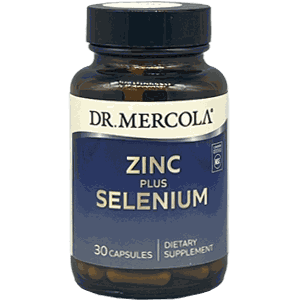
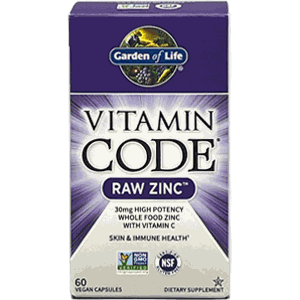
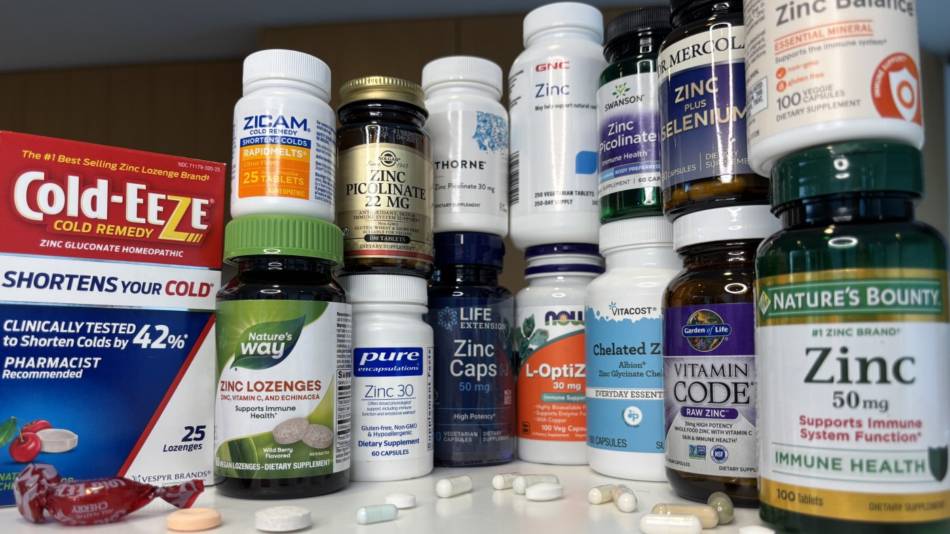
No government agency routinely tests zinc or other dietary supplements for their contents or quality. ConsumerLab.com purchased and evaluated zinc supplements to determine whether they contained the amounts of zinc stated on their labels. Products also were tested for arsenic, cadmium, and lead potential contaminants in mineral supplements. All non-chewable tablets and caplets were also tested to be sure that they would properly disintegrate to enable their absorption. (See How Products Were Evaluated for information on testing methods and passing score.)
#191#
|
|