



Product Tests Select a Review  Warnings  Encyclopedia CL Answers Where to Buy News

Product Review: Iron Supplements
 

Initial Posting: 10/17/14  Last Update: 6/14/17 Iron Supplements Reviewed by ConsumerLab.com

Sections: Jump to a section by clicking on its name. What It Is:
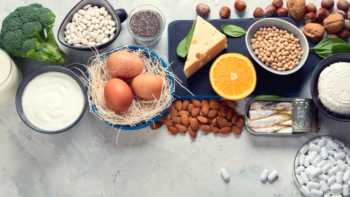
Iron is an essential mineral that the body requires in small amounts. It is widely available in foods including meat, poultry, and fish; also dried fruits, grains, and green leafy vegetables. Iron from plant sources is absorbed half as well as that from animal sources. The average diet provides about 10 to 20 mg of iron per day.

What It Does:
Iron Deficiency and Anemia
Iron is needed to manufacture hemoglobin, which enables red blood cells to transfer oxygen to the body's tissues. Severe or prolonged iron deficiency is the leading cause of anemia in the United States, affecting about five percent of women and two percent of men. Symptoms of iron deficiency anemia include easy fatigability, shortness of breath with mild exercise, and lethargy.

Iron deficiency is most common in menstruating women but also is commonly seen in children and pregnant women. According to the CDC, 9.5% of women 12 - 29 years are deficient, as are 6.7% of children ages 1 to 5. There are higher rates of iron deficiency in Mexican-American children aged 1 to 5 years (11%) and in non-Hispanic black (16%) and Mexican-American women (13%) of childbearing age (12 to 49 years) when compared to other race/ethnic groups. Low iron levels also may result from excessive bleeding, burns, and hemodialysis, as well as stomach and intestinal problems. Drugs that reduce stomach acid may also impair iron absorption.

During pregnancy, iron deficiency can result in preterm delivery and low-birth-weight babies.

Among children, iron deficiency is most common from ages 6 to 24 months, where it can cause developmental and behavioral problems. If iron deficiency is extremely severe, some of these problems can be irreversible.

Although few men are deficient in iron, 29% are at-risk for iron excess (CDC 2012).

Benefits of Correcting Iron Deficiency
Some evidence suggests that even mild iron deficiency, too mild to cause anemia, may cause fatigue and impair sports performance. Iron supplementation has been shown to reduce unexplained fatigue in women of child-bearing age who are not anemic but have ferritin levels in the lower end of normal range (less than 50 ug/L) (ferritin is an indicator of total iron stored in the body). A 12-week study of 198 such women (ages 18 to 53) found that those who received 80 mg of iron from ferrous sulfate daily from a time-release pill experienced a 47.7% decrease in fatigue, compared to a 28.8% decrease in the placebo group — a significant difference (Vaucher, CMAJ 2012), although there was no significant effect on anxiety or depression. Ferritin levels increased by 11.4 ug/L compared with placebo.

Among blood donors with normal hemoglobin levels, low-dose iron supplementation (37.5 mg of iron as ferrous gluconate daily) reduces the time by more than half for hemoglobin and ferritin levels to recover after donating a unit of blood. A study showed that those receiving iron recovered most of their decrease within about 30 days versus 78 to 158 days for those not receiving iron, depending on whether their ferritin levels were initially high or low. For those getting the iron supplement, ferritin levels returned to normal within 76 days while 67% of those not receiving supplementation had not fully recovered iron stores after 168 days -- when the study ended (Kiss, JAMA 2015). The researchers noted that although the hemoglobin decrease after donation is relatively small (about 10%) and of marginal clinical significance, for frequent donors it is important to be recovered before the next donation; suggesting that the current waiting period of 8 weeks (56 days) in the U.S. may be too short.

Verbal learning and memory have been shown to improve when adolescent girls with iron deficiency (although not anemia) are treated with iron supplementation (Bruner, Lancet 1996).

Unfortunately, among patients with heart failure and iron deficiency, giving high-dose iron (150 mg as iron polysaccharide) twice daily for 16 weeks did not improve peak oxygen uptake nor exercise capacity (6-minute walking distance) and only minimally improved iron levels (a 3% increase). A possible reason for the failure (which was not expected, as iron given intravenously in such patients raises iron by about 70%), was abnormally high blood levels in these people of hepcidin, an iron regulatory hormone that lowers iron levels by reducing iron absorption and trapping iron in while blood cells and liver cells
(Lewis, JAMA 2017).

Other Uses
Iron supplements have shown some promise for reducing the dry cough caused by drugs in the angiotensin-converting enzyme inhibitor family (ACE inhibitors).

A small study of iron in children with ADHD showed improvement in some symptoms comparable to that with stimulant medicines (Konofal, Pediatr Neurol 2008).

A lower risk of suffering PMS (premenstrual syndrome) has been associated with a high intake of iron (over 20 mg per day) from supplements or plant-based foods (as opposed to meats) (Chocano-Bedoya, Am J Epidem 2013). Compared to women with the lowest daily intakes of iron (median of 9.4 mg) from these sources, the risk of PMS was reduced by 29% among those with a median intake of 21.4 mg, and by 36% among those with a median intake of 49.2 mg. Interestingly, the same study found that women consuming higher amounts of potassium from their diet (median intake of 3,717 mg daily) had a higher risk of PMS than those consuming less potassium.

See ConsumerTips for information about the forms of iron in supplements and dosage.

Quality Concerns and What CL Tested For:
In 1997, the U.S. Food and Drug Administration (FDA) reported that several iron-containing supplements had been recalled because of excessive levels of lead. Subsequent testing by ConsumerLab.com similarly found some iron products to be contaminated with lead -- a potentially harmful contaminant, although tests by ConsumerLab.com since 2011 have found few instances of lead contamination. ConsumerLab.com also found that some supplements did not contain their claimed amount of iron.

Because no government agency is responsible for routinely testing iron supplements for their contents or quality, ConsumerLab.com independently evaluated iron products to determine whether they contained the iron stated on their labels. The products also were tested for contamination with lead, as well as arsenic and cadmium. Iron tablets and caplets that were not chewable or time-release were additionally tested for their ability to break apart ("disintegrate") as needed for absorption. (See Testing Methods and Passing Score.)

#188#
 
 
Join |  Sign In
   
Join Us on Facebook! Join Us on Linked In! Join Us on Twitter! 
Product Tests
Brands Tested
Health Conditions
Encyclopedia
CL Answers
Clinical Updates
News
Recalls & Warnings
RDAs
Where to Buy Products
Athletic Banned Substance Tests
Raw Materials Tests
Testing Program
Join CL Today
Testimonials
Join Free Newsletter
Group Subscriptions
Gift Membership
About Us
The CL Seal
CL Survey
Privacy Policy
Sitemap
Contact Us/Help

©2017 ConsumerLab.com, LLC. All rights reserved. A single copy of a report may be printed for personal use by the subscriber. It is otherwise unlawful to print, download, store or distribute content from this site without permission.
ConsumerLab.com name and flask logo are both registered trademarks of ConsumerLab.com, LLC. This site is intended for informational purposes only and not to provide medical advice.
 
Join our FREE Newsletter and Become a Member to View
Iron Supplements!
First Name 
Last Name 
Email* 
Retype Email* 
ConsumerLab.com Member Benefits:

Instant Access to All Product Review Reports Covering Over 1,000 Products
Quality Ratings and Product Comparisons by Brand
Expert Tips on Using Supplements
 
Membership fee required for full benefits.
Price Checks on Popular Brands
e-Newsletter with Updates and Alerts
New and Archived Recalls and Warnings