
Quick Summary
-
What is iron?
Iron is essential to manufacture hemoglobin, which enables red blood cells to transfer oxygen to the body's tissues. It is widely available in foods including meat, fish, grains and vegetables, and the average diet provides sufficient iron (See What It Is). -
What are symptoms of iron deficiency?
Iron deficiency (which is treatable with iron supplements) can cause symptoms such as fatigue, shortness of breath, dizziness, headache and pale skin. It is most common in menstruating women, women who are pregnant, and children. Long-term use of certain antacids may also increase the risk of iron deficiency. Few men are deficient in iron, and some may be at risk for iron excess.
Iron supplementation may reduce unexplained fatigue in women of child-bearing age who are not anemic but have ferritin levels in the lower end of normal range, inhibit dry cough associated with ACE inhibitors, and help to reduce symptoms of restless leg syndrome in people with low ferritin levels (see What It Does). -
Which form of iron is best and what is the best way to take it?
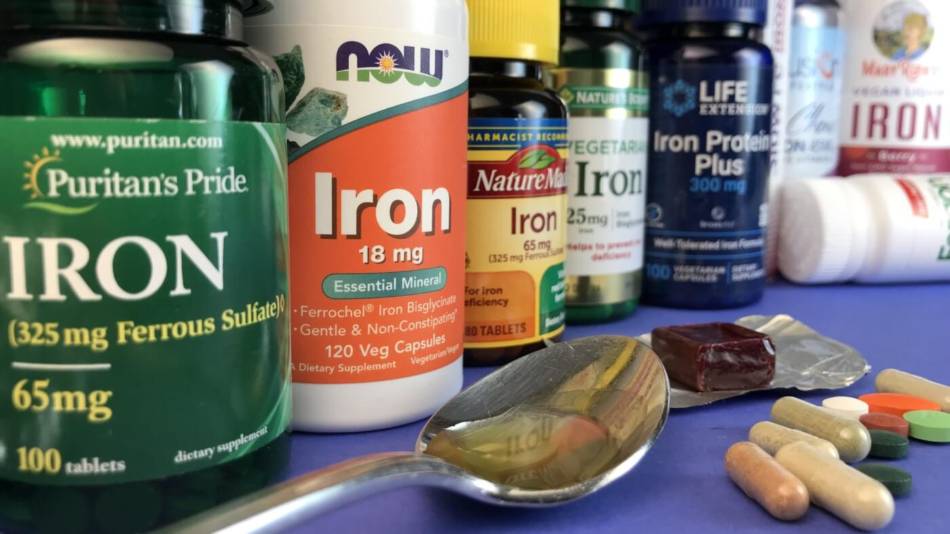
Iron comes in many chemical forms and formulations, including pills, liquids, chews, and gummies. If taken with just water, all are about equally well-absorbed, so less expensive forms, such as ferrous sulfate, are fine. However, with larger doses, some people experience gastric discomfort and/or constipation. Taking with food may reduce discomfort, but this can also reduce absorption of certain forms of iron, such as ferrous sulfate, while other forms are better absorbed in the presence of food, such ferrous bisglycinate (sold as "Gentle Iron") and ferrous glycinate. Note that some supplements include vitamin C to increase iron absorption but this is unlikely have a significant effect, and there is concern that slow- or timed-release iron supplements may lead to reduced absorption of iron (See Forms of Iron and Avoiding Stomach Upset). 
What is the best iron supplement?
ConsumerLab tested iron supplements for their amounts of iron, levels of contamination with lead and other toxic heavy metals, and the ability of pills to properly break apart. It found most to be of high quality (See What CL Found and How Products Were Evaluated). Among these CL selected Top Picks based on quality, cost, dose, and absorption for overall iron supplement, high-dose iron, iron with reduced risk of constipation, liquid iron, and iron chew.-
How much iron to take, safety and side effects:
For correcting iron-deficiency anemia in adults: 50 mg to 100 mg taken once daily is currently recommended over the previous recommendation of dividing this into two or three separate doses. This should be done only under physician supervision. When used as a treatment for other conditions, doses between 40 mg and 250 mg have been used. Unless treating a deficiency or specific condition, limit your daily intake of iron from supplements and fortified foods to no more than 45 mg to avoid side effects and the harmful effects of excessive iron. Iron can also interfere with certain drugs. (See How Much and When to Take? and Concerns and Cautions). -
When to take iron?
Don't take iron with tea or with large doses (200 mg or more) of other minerals, as this may decrease iron absorption (see What to avoid when taking).