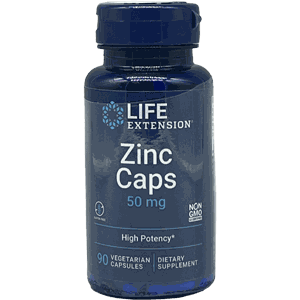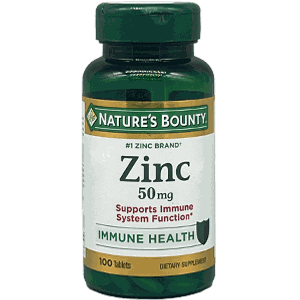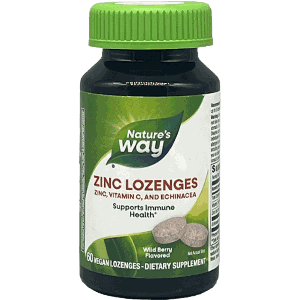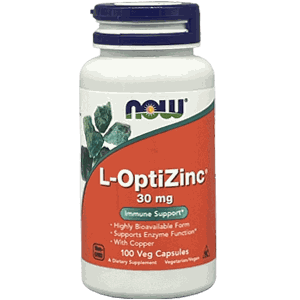




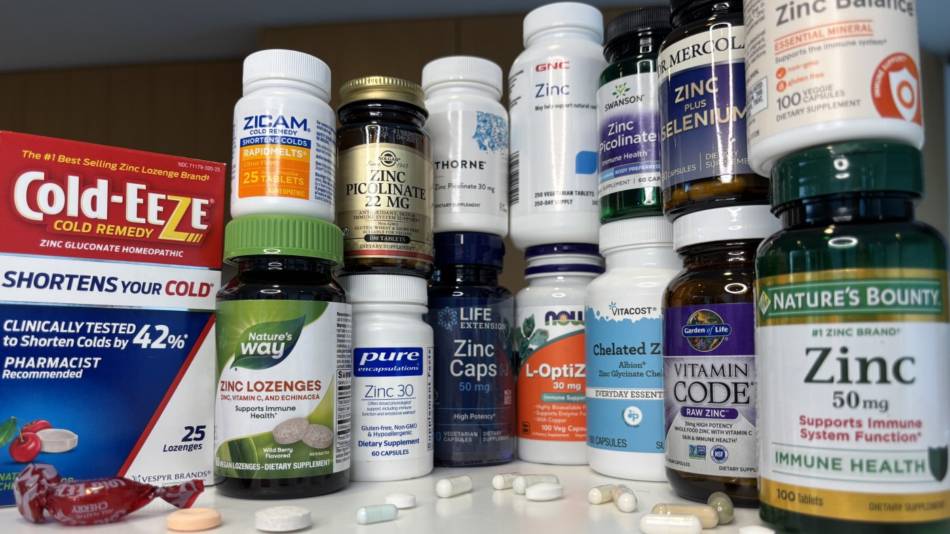

Quick Summary
-
What is zinc?
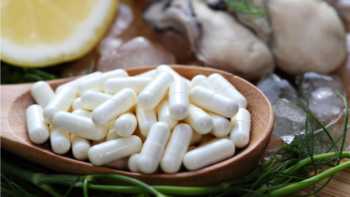
Zinc is an essential mineral, one of the few nutrients for which a mild deficiency is not uncommon (see What It Is). Zinc is naturally found in meats and other foods (see Getting Zinc — From Food)
-
Who is most likely to be zinc deficient?
Mild zinc deficiency can occur with the use of acid-blocking medications and certain blood pressure medications. Zinc deficiency can also occur with hypothyroidism. Vegetarians may require as much as 50% more of the daily requirement for zinc due to compounds in legumes and grains that can interfere with zinc absorption (See What to Consider When Using).
-
What are the benefits of zinc?
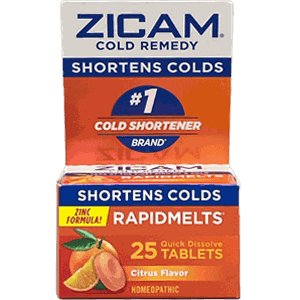
Zinc supplements (typically taken in pill form) can reverse or prevent zinc deficiency (which can otherwise impair the immune system, cause diarrhea and hair loss, reduce taste, etc.) and help slow advanced age-related macular degeneration (AMD) of the retina. Zinc is also taken as a lozenge (or other orally dissolving formulation) to act locally on the throat to reduce the duration of a cold. (See What It Does).
-
How much zinc should you take and which form of zinc is best?
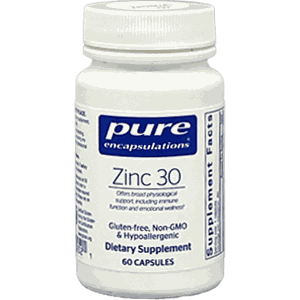
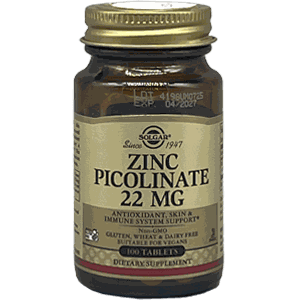
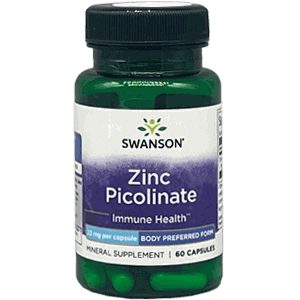
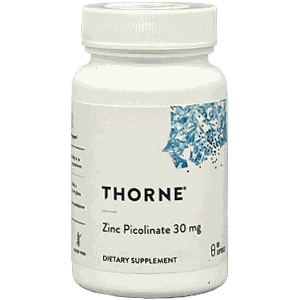
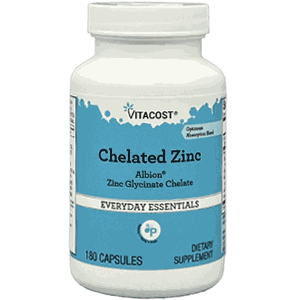
The daily requirement for zinc ranges from 3 mg for children to 14 mg for lactating women (see Dosage). Supplements made with zinc gluconate or zinc sulfate are typically the least expensive, but amino acid chelates of zinc (such as zinc glycinate and zinc monomethionine) and zinc picolinate might be better absorbed. To reduce the duration of a cold, take a lozenge (or other orally dissolving formulation providing 9 to 23 mg of zinc as either zinc gluconate or zinc acetate) every 2 to 3 hours during the day, allowing it to fully dissolve in the mouth: Limit treatment to one week as intake of large doses of zinc (see upper intake levels) can reduce copper absorption and eventually lead to copper deficiency that can impair the immune system. Many vision supplements for AMD contain very high doses of zinc (some nearly double the UL), much lower doses appear to be just as effective, as sown in the AREDS 2 trial (see the Vision Supplements Review).
-
What did ConsumerLab find testing zinc supplements and lozenges?
Most supplements and lozenges were found to contain their listed amounts of zinc within acceptable margin of error. However, one product contained 45% more zinc than listed and was, therefore, NOT APPROVED. All products also passed testing for the toxic heavy metals lead, cadmium, mercury and arsenic contamination, a potential quality concern. We found that you can pay as little as 2 cents or more than $1 to get an equivalent dose of high-quality zinc — there is typically no need to overspend.
-
What is the best zinc supplement or lozenge?
Among supplements that passed our tests for quality and offered exceptional value, we identified our Top Picks for zinc pills and lozenges/dissolving tablets. We also discuss our prior Top Pick for zinc liquid.
-
Cautions when taking zinc:
As noted above, unless treating zinc deficiency, don't take large doses of zinc (more than 40 mg, or even less for children) of zinc daily for more than a week and don't take with fiber, which inhibits absorption of zinc. Be aware of drug interactions with zinc, particularly for certain antibiotics (see Concerns and Cautions for more information about zinc side effects, interactions, and safety).
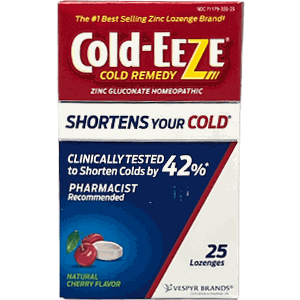
Products tested in 2024
+— 66 sources
In addition the results of its expert testing, ConsumerLab uses only high-quality, evidence based, information sources. These sources include peer-reviewed studies and information from agencies such as the FDA and USDA, and the National Academy of Medicine. On evolving topics, studies from pre-print journals may be sourced. All of our content is reviewed by medical doctors and doctoral-level experts in pharmacology, toxicology, and chemistry. We continually update and medically review our information to keep our content trustworthy, accurate, and reliable. The following sources are referenced in this article:

- AREDS Rsch Gp, JAMA Opthal 2004
- Age-Related Eye Disease Study 2
- Azizollahi, J Assist Reprod Genet 2013
- Brewer, J Lab Clin Med 1998
- Cherasse, Int J Molec Sci 2017
- Eby, Altern Ther Health Med 2006
- Finzi, Int J Infect Dis 2020
- Girodon, Arch Int Med 1999
- Gupta, J Oral Biol Craniofac Res 2025
- Hamid, Int J Contemp Med Res 2017
- Hemila, BMC Family Practice 2015
- Hemila, BMJ Open 2020
- Hemila, JMSR Open 2017
- McClain, Gastroenterology 1980
- NIH 2018
- Partap, Curr Dev Nutr 2023
- Pompano, Adv Nutr 2020
- Quek, Clin Transl Med 2022
- Ranasinghe, Daru 2015
- Reynolds, J Am Acad Dermatol 2024
- Santucci, J Ped Gastroenterol Nutr 2014
- Sari, Turk J Med Sci 2024
- Schiffman, Eur J Clin Nutr 2000
- Schisterman, JAMA 2019
- Schröder, New Engl J Med 2020
- Sundaram, Contemp Clin Dent 2017
- Thomas, JAMA Network Open 2021
- Vogel-Gonzalez, Nutrients 2021
- Warren, J Altern Complement Med 2021
- Wong, Fertil Steril 2002
- Yee, Dermatol Ther 2020
- Yildirimyan, Oral Health Prev Dent 2019
- Zupo, Nutrients 2022
- te Velthuis, PLoS Pathog 2010
- Age-Related Eye Disease Study
- Ambooken, Int J Trich 2013
- Barrie, Agents Action 1987
- Chen, Biofactors 2006
- Dhaliwal, Am J Clin Derm 2020
- Farrell, Gastroenterology Res 2011
- Gandia, Int J Vitam Nutr Res 2007
- Garland, Ann Pharmacother 1998
- Gruner, J Altern Complement Med 2012
- Gupta, J Hum Nutr Diet 2020
- Hemila, Open Acc Resp Med J 2011
- Institute of Medicine, Food and Nutrition Board. 2001, p. 480
- Keast, J Food Sci 2003
- Maxfield, StatPearls 2019
- Olah, Int J Mol Sci 2026
- Piacenza, Nutrients 2023
- Rosado, Nutr Res 1993
- Schiffman, JAMA 1997
- Vallboehmer, Clin Nutr 2025
- Zarembo, J Pharm Sci 1992
- Zdilla, Clin Nutr ESPEN 11 2016
- Borel, Br J Nutr 2017
- Corte-Real, Food Chem 2016
- Duncan, Br J Clin Pharmacol 2023
- Elanjian, Cureus 2023
- FDA, Denture Adhesive 2018
- Gulson, Toxicol Sci 2010
- Jamal, BMJ Case Rep 2021
- Poujois, Intern Med J 2017
- Tatineni, Clin Case Rep 2020
- Wahab, J Community Hosp Intern Med Perspect 2021
- Yamazaki, Int J Dermatol 2022
You must be a member to get the full test results along with ConsumerLab.com's recommendations and quality ratings. You will get results for 15 zinc supplements and lozenges, including 12 products selected for testing by ConsumerLab.com and three others that passed testing in CL's voluntary Quality Certification Program. In this comprehensive review, you'll discover:
Which zinc supplements, lozenges, and melts passed testing, which failed ConsumerLab's Top Picks for zinc supplements and lozenges based on quality, the forms of zinc they provide, and value Which zinc lozenges and melts provide a dosage known to work -- and which do not What zinc can and cannot do for your health
If certain forms of zinc, like zinc picolinate, zinc gluconate, zinc acetate, and zinc citrate are better absorbed than others The zinc dosage to treat conditions including colds, macular degeneration, and zinc deficiency What the "zinc challenge" is and whether or not it is a reliable method for determining zinc deficiency or adequacy The potential side-effects of zinc and other concerns with zinc, including drug interactions
As a ConsumerLab.com member, you may print a copy of this report for your personal use.
You can access a special print version by clicking the "Print" icon in the upper right corner of this report.
You can then use your web browser's print functions to print the whole report or just selected pages.
You may also email or post a link to this report using the web address above.
Non-members using the link will see a free summary and can join to view the full report.
Other means of copying or distributing this report, in part or full, are not permitted.
If you are sight-impaired and your computer is having trouble converting the text in this report to speech,
contact us for assistance at [email protected] or by
phone at 914-722-9149.
The "Latest Update" date indicates when new clinical or product information was most recently added. In the full review (available to CL members), the newest information is highlighted in yellow and, if a new product is added, it is footnoted in the results table, showing the date added to the review. The year(s) when testing was completed for the products in the review appears at the end of the Summary section.
|