






Quick Summary
What did ConsumerLab find testing multivitamins?
Seven out of 22 (31.8%) of the multivitamin/multimineral supplements selected by ConsumerLab.com for testing failed to get our approval. These are marked as NOT APPROVED in the Results table. All products were purchased at retail stores or through authorized online distributors.
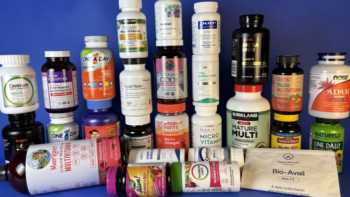
Brands tested include Adapt Naturals by Chris Kresser, AlphaSperm, Bayer Flintstones, Bayer One A Day, Centrum, Deva, Dr. Brad Stanfield, Garden of Life, GNC, Kirkland Signature [Costco], Mary Ruth's, Metagenics, Nature Made, Nature's Way, Naturelo, New Chapter, NOW, Pure Encapsulations, Rainbow Light, Shaklee, Smarty Pants, Thorne, and USANA.
Testing included HPLC for vitamins, ICP-MS for minerals and heavy metals (lead, arsenic, cadmium, mercury), and USP <2040> disintegration testing for tablets.
What problems were found with multivitamins?
- Low nutrient levels (as little as 11.8% of labeled vitamin A)
- Excessive nutrients (as much as four-times the folate and zinc and twice the vitamin D as claimed)
- Several exceeded or approached Tolerable Upper Intake Levels (ULs) for niacin or folate
These problems were confirmed in tests in a second independent laboratory (see What CL Found and How Products Were Evaluated).
Caution
High Doses: Be aware that several products intentionally provide more than, or close to, the Tolerable Upper Intake Levels (ULs) of some vitamins, such as niacin, above which there is increasing risk of toxicity with regular use.
ConsumerLab's Top Picks among multivitamins
Among products that were APPROVED in testing, including six products tested through CL's voluntary Quality Certification Program, Top Picks were selected as being best for the following categories based on product quality, appropriateness of dosage, formulation, and value.  (In some categories, no Top Pick was selected, as explained in the Review.):
What should you look for in a multivitamin?
In addition to checking the quality of a multivitamin with our test results, be sure it lists the right amount of each essential vitamin and mineral for you. You can check your own requirements using our RDA table as well as the detailed information for each nutrient in this Review.
Is it worth taking a multivitamin?
There is some evidence that taking a multivitamin can slightly decrease the risk of cataracts, modestly slow cognitive decline in adults with cardiovascular disease, and reduce symptoms of respiratory illness in older people. Prenatal multivitamins may reduce the risk of birth defects. However, there is no clear evidence that multivitamins can reduce the risk of dying from cardiovascular disease, cancer, or any other causes (see What They Do). Multivitamins may help treat or prevent nutrient deficiencies in people at risk for such deficiencies — although more targeted nutritional approaches may be preferable, such as for deficiencies in iron, B-12, and magnesium.
Cite as: ConsumerLab.com Multivitamin and Multimineral Supplements Review