





Quick Summary
What did CL's tests of protein powders and shakes find?
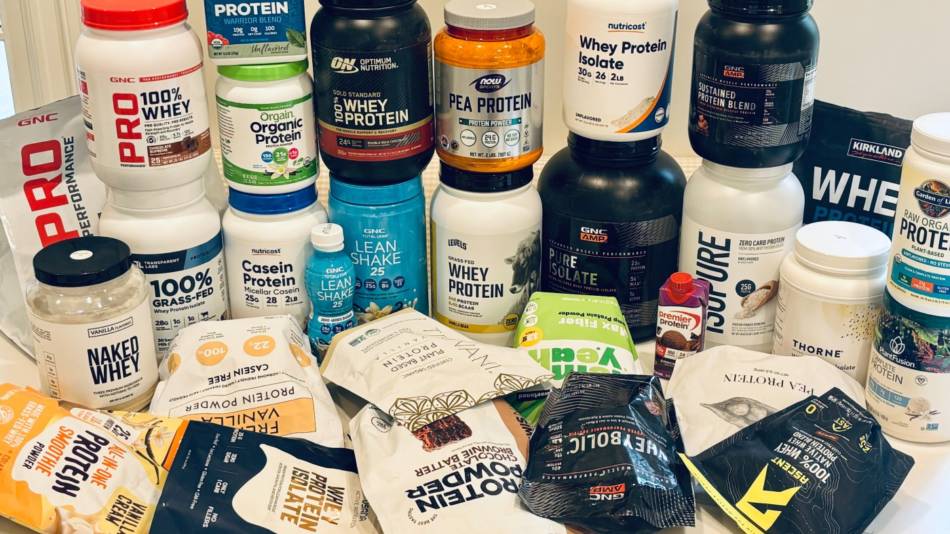
Among the 21 protein products ConsumerLab.com selected for review, six failed our tests because they were found to contain significantly more cholesterol, sodium, or sugar than listed. Interestingly, none of the failures related to protein content. Although no product exceeded levels of general concern for heavy metals, such as lead, several were slightly over the California Prop 65 warning level for potential reproductive or developmental harm if used regularly by pregnant women or young children (see What CL Found and How Products Were Evaluated). Nineteen products were Approved for quality as well as eight products tested through our voluntary Quality Certification Program.
Among the Approved products, the lowest cost to obtain 20 grams of protein was 62 cents, and the highest was $2.86. For most products, the cost ranged from about $1 to $2 per 20 grams.
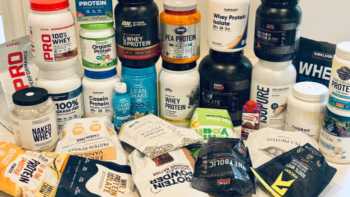
Protein powders tested include those from Ascent, Clean Simple Eats, Flavcity, Fresh Hemp, Garden of Life, GNC, Glanbia Performance Nutrition Isopure, Just Ingredients, Kirkland Signature (Costco), Levels Nutrition, Naked Whey, NorCal Organic, NOW, Nutricost, Optimum Nutrition, Orgain, Shakeology, Sun Warrior, Thorne, Transparent Labs, Truvani, USANA, and Premier Protein.
Which protein powders are CL's Top Picks?
Based on a combination of quality, cost, taste, calories, and ingredients (as summarized for each product in the Results table), we identified a Top Pick for each of the following categories:
- Whey protein
- Casein protein
- Milk protein combinations
- Milk protein combinations (shake)
- Casin, Whey + Egg protein combinations
- Plant protein combinations
- Pea protein
- Hemp protein
Health benefits of protein powders:
Extra protein (typically about 30 to 50 extra grams per day) from a powder or drink may help young people build muscle and strength when used in conjunction with resistance-type exercise. However, this may not be true for older adults, although extra protein may help them retain and maintain muscle. Supplementing with protein may help people with diabetes maintain blood sugar levels and even help reverse diabetes if taken as part of a low-calorie diet. There is mixed evidence on whether protein supplements help with weight loss, and no good evidence that protein (other than collagen) can help with aging skin and wrinkles (See What It Does).
What type of protein powder is best?
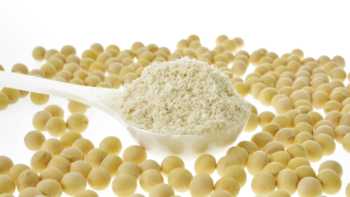
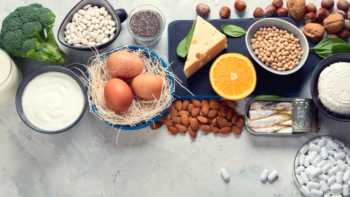
Protein products vary by protein source (e.g., whey, casein, soy, rice, pea, egg, hemp, peanut, and cricket). All can help build muscle, but, in general, whey is most popular as it is a complete protein and is rather quickly digested. Casein is digested more slowly, which is why it is sometimes taken in the evening to counter loss of muscle at night. Vegans may be more interested in plant sources, such as soy, pea, rice, and hemp. See ConsumerTips™, Protein for more about each type of protein. Note that protein powders are ultra-processed foods, having been separated from whole food sources (see What It Is).
How to use protein powders:
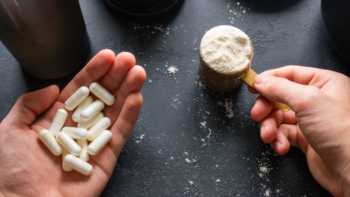
Protein taken after, rather than before, exercise may be more beneficial (See What It Does). Protein powders are typically mixed with water or other liquids such as milk or juice -- but be aware that these can add calories (See What to Consider When Using). Also be aware that the taste of powders differs by protein type, flavorings, and the addition of sugar or other sweeteners, and that some powders mix more easily into liquids than others (see the taste and mixability comments in the Results Table).
Protein powder safety and side effects:
Protein supplements may cause gastrointestinal discomfort in some people, and individuals with lactose intolerance or milk allergies may want to avoid certain milk-based proteins. Although increasing protein intake is not associated with decreased kidney function in healthy adults, people with, or at high risk of, kidney disease may be advised to limit protein intake (see Concerns and Cautions).