




Quick Summary
-
Does vitamin C help?
If you get sufficient vitamin C from foods (such as from a cup of tomato or orange juice), taking more from a supplement will generally not help. Nevertheless, taking high-dose vitamin C daily from a supplement during cold season can slightly reduce the risk of getting a cold, particularly if you are deficient in vitamin C, but won't help once you're sick. Vitamin C supplementation may also slightly reduce blood pressure, although it has not been shown to reduce rates of cardiovascular disease. Taking vitamin C has also been associated with a reduced risk of gout (see What It Does).
Which vitamin C supplement is best?
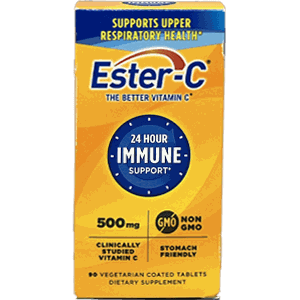
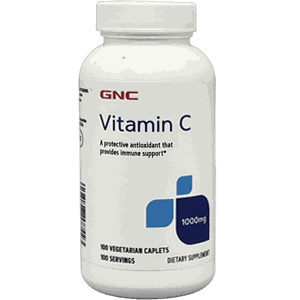
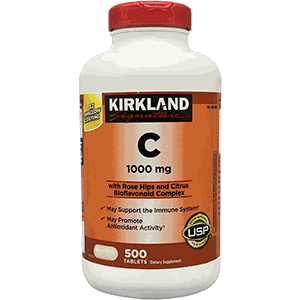
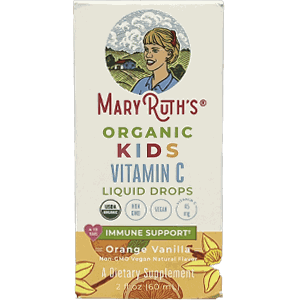
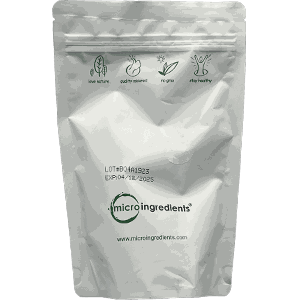
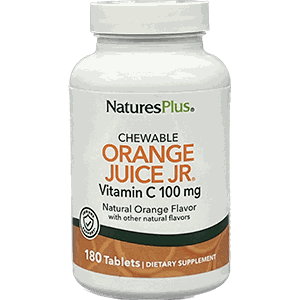
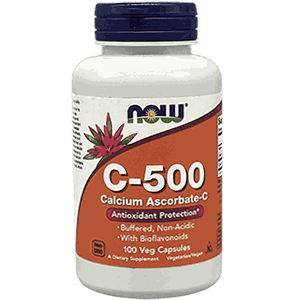
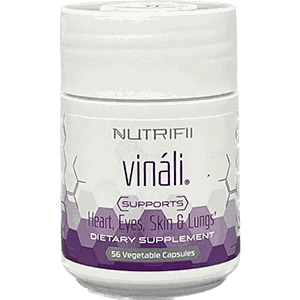
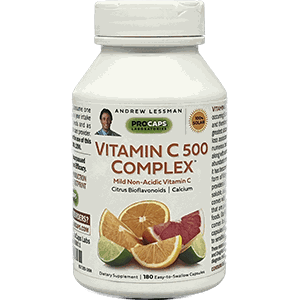
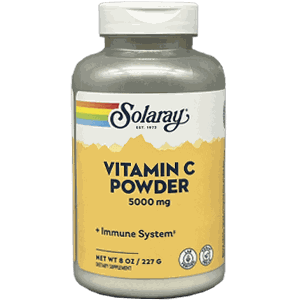
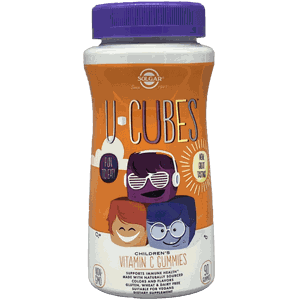
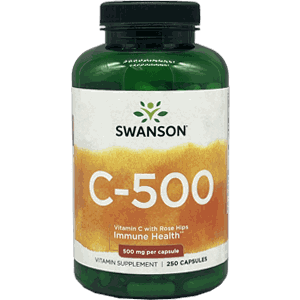
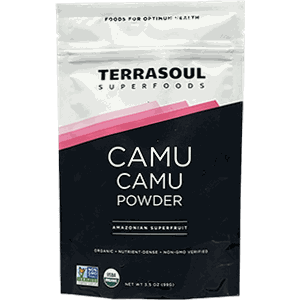
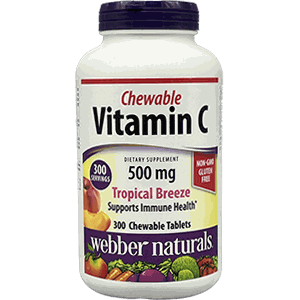
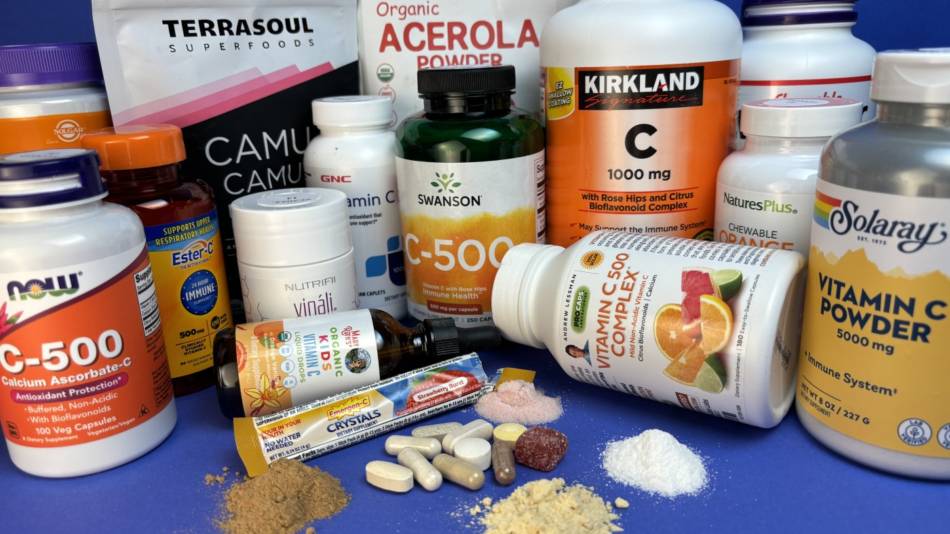
Among the vitamin C supplements shown to be of high quality and Approved in our tests, four were chosen as CL's Top Picks for moderate, high, and extremely high doses of vitamin C, including one that provides the daily requirement of vitamin C for less than a penny. We also chose a Top Pick for kids and among natural, plant-based powders.
(Also see What CL Found and How Products Were Evaluated.)
-
How much vitamin C should I take?
To be sure you're getting the daily requirement of vitamin C, a supplement providing roughly 50 mg to 100 mg of vitamin C is sufficient for most adults and is quite safe (see What to Consider When Using). When higher doses are taken in hopes of reducing the risk of a cold or gout, or to slightly reduce blood pressure, a typical dose is 500 mg taken twice daily, or up to 2,000 mg per day.
-
Which form of vitamin C is best?
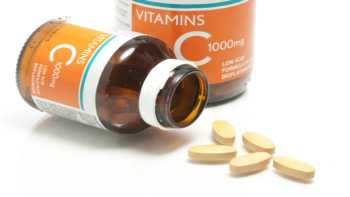
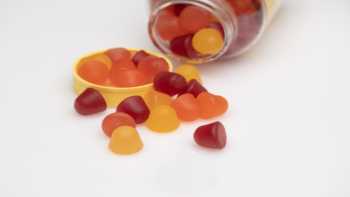
There are many forms of vitamin C available (ascorbic acid, sodium ascorbate, calcium ascorbate, liposomal vitamin C, etc.) but there is no compelling evidence that one is much better than another. The ascorbate forms may be easier on your stomach than ascorbic acid, but you will still run a risk of developing loose stools at a very high dose. Whole food ingredients (like lemon peel) will provide additional bioflavonoid compounds, which may be of some benefit, but are not necessary to meet your nutritional needs, and natural vitamin C (such as from rose hips, acerola, and camu camu) is the exact, same compound (L-ascorbic acid) found in most synthetic vitamin C supplements. As vitamin C is an acid, products formulated as capsules or tablets may be safer for your teeth than high-dose liquids, powders (mixed into liquids), chewables, or gummies (see Forms of Vitamin C).
-
Vitamin C side effects:
Be aware that taking more than 500 mg of vitamin C per day on a regular basis (which will saturate your blood with vitamin C) may increase your risk of developing cataracts, and taking more than 1,000 mg per day may also increase your risk of oxalate kidney stones (a cause of blood in the urine), decrease copper levels, reduce benefits of exercise on muscles and bones, and interfere with medications such as indinavir as well as with some urine and stool tests. In fact, while adequate levels of vitamin C in the body are associated with reduced risk of death, this appears to reverse at higher levels. Diarrhea can result from a single dose of more than 2,000 mg for an adult and with lower amounts in children, although dividing the dose over the course of the day and taking with meals may reduce this side effect (see Concerns and Cautions).
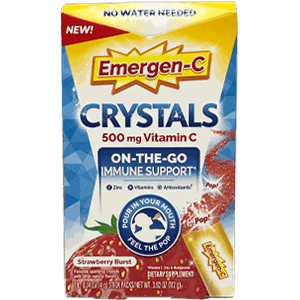
Products tested in 2023
+— 96 sources
In addition the results of its expert testing, ConsumerLab uses only high-quality, evidence based, information sources. These sources include peer-reviewed studies and information from agencies such as the FDA and USDA, and the National Academy of Medicine. On evolving topics, studies from pre-print journals may be sourced. All of our content is reviewed by medical doctors and doctoral-level experts in pharmacology, toxicology, and chemistry. We continually update and medically review our information to keep our content trustworthy, accurate, and reliable. The following sources are referenced in this article:

- Biomed Res Int 2023
- Cadeau, Am J Clin Nutr 2016
- Carr J Transl Med 2017
- Cashman, Clin Dermatol 2010
- Chaudhary, Acute Crit Care 2020
- Chen, Br J Nutr 2011
- Choi, Arch Intern Med 2009
- Christen, Arch Opthalmol 2010
- Conner, Nutrients 2020
- Darr, Acta Derm Venereol 1996
- Dermawan, BMJ Case Reports CP 2024
- Dreher, Br J Dermatol 1998
- Enderle, Eur J Nutr 2026
- Fogleman, J Am Board Fam Med 2022
- Fong, Kidney Int Rep 2022
- Gandhi, Diseases 2023
- Gao, J Rhematol 2008
- Gaziano, JAMA 2009
- Goyal, Cancer Epidemiol Biomarkers Prev 2013
- Grether-Beck, Photochem Photobiol 2015
- Gunton, Brit J Nutr 2020
- Harrison, Free Radic Biol Med 2010
- He, Front Nutr 2021
- Hemila J Intens Care 2020
- Hemila, Cochrane Database Syst Rev 2013
- Hujoel, Nutr Rev 2021
- Humbert, Exp Dermatol 2003
- Jacques, Am J Clin Nutr 1997
- Johnston, Nutrients 2014
- Juraschek, Am J Clin Nutr 2012
- Kim, Ann Dermatol 2016
- Levine, Proc Natl Acad Sci USA 1996
- Lin, J Am Acad Dermatol 2003
- Lin, J Invest Dermatol 2005
- Mason, Diab Obes Metab 2019
- McColl, Am J Gastroenterol 2009
- Moret, Neuropsychiatry Dis Treat 2011
- Murray, J Am Acad Dermatol 2008
- NIH, 2016
- Parent, Front Physiol 2018
- Pinnell, Dermatol Surg 2001
- Pullar, Nutrients 2017
- Ran, Biomed Res Int 2018
- Rhie, J Invest Dermatol 2001
- Scheinfeld, J Drugs Dermatol 2007
- Seymour, JAMA Network 2023
- Shameek, Chest 2020
- Sim, Eur J Nutr 2021
- Stapleton, J Pedatr 2019
- Thomas, JAMA Network Open 2021
- Wang, Antioxidants 2021
- Wei, PLOS One 2016
- Zhang, Ann Intensive Care 2021
- Andersson, Eur J Clin Nutr 2012
- Ashil, RSC Adv 2021
- Carr, Nutrients 2013
- FDA 2022
- Giannini, Tech Coloproctol 2015
- Hickey, J Nutri Envir Med 2008
- Mitmesser, SpringerPlus 2016
- National Institutes of Health 2020
- Pancorbo, Med Sci Monit 2008
- Purpura, Eur J Nutr 2024
- Vinson, Am J Clin Nutr 1988
- website
- Antunez, Rev Argent Endocrinol Metab 2011
- Auer, Eur Ju Clin Invest 1998
- Cheung, Arterioscler Thromb Vasc Biol 2001
- Dedichen, Boll Soc Ital Cardiol 1973
- Feetam, Toxicol Appl Pharmacol 1975
- Ferraro, Am J Kidney Dis 2016
- Fijen, BMJ Case Rep 2019
- Finely, Am J Clin Nutr 1983
- Friedlander, BJU Int 2012
- Gabaj, Annals of Clinical Biochemistry 2020
- Jacob, J Nutr 1987
- Lee, J Clin Lab Anal 2017
- Lin, CEN Case Rep 2018
- Massey, Frontiers in Bioscience, 2003, pp. 585-6
- Maurilio, Int J Exerc Sci 2019
- Maškovic, Lab Med 2024
- Pal, Clin Nephrol Case Stud 2024
- Paulsen, J Physiol 2014
- Rautianinen, Am J Clin Nutr 2010
- Rex, Am J Gastroenterol 2009
- Rosenthal, JAMA 1971
- Sahud, Lancet 1971
- Sarkar, SMHS 2023
- Slain, Pharmacotherapy 2005
- Stunes, Eur J Applied Phys 2017
- Taylor, J Am Soc Nephrol 2004
- Thomas, JAMA 2013
- Tian, Nutrition 2022
- Tofler, Thromb Res 2000
- Unic, J Clin Lab Anal 2018
- Warner, Interpreting Laboratory Tests 2012
You must be a member to get the full test results along with ConsumerLab.com's recommendations and quality ratings. You will get results for 13 vitamin C supplements selected for testing by ConsumerLab.com as well as for two others that passed the same testing in CL's voluntary Quality Certification Program. In this comprehensive review of vitamin C supplements you'll learn:
Which vitamin C supplements passed testing, and which failed ConsumerLab's Top Picks among vitamin C supplements, including pills, powders, gummies, and liquids Which high-quality vitamin C supplements are also lowest cost What vitamin C can and cannot do for your health
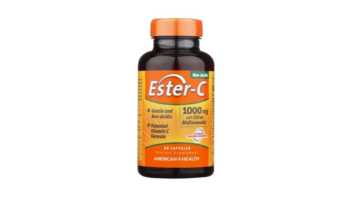
The potential advantages and differences of forms of vitamin C, such as Ester-C, sodium ascorbate, slow-release vitamin C, and liposomal vitamin C The value of additional ingredients, such as bioflavonoids (e.g., quercetin, dihydroquercetin, rutin, and hesperidin) The dosage of vitamin C used for different purposes The potential side-effects of vitamin C and its interactions with drugs and diagnostic tests
As a ConsumerLab.com member, you may print a copy of this report for your personal use.
You can access a special print version by clicking the "Print" icon in the upper right corner of this report.
You can then use your web browser's print functions to print the whole report or just selected pages.
You may also email or post a link to this report using the web address above.
Non-members using the link will see a free summary and can join to view the full report.
Other means of copying or distributing this report, in part or full, are not permitted.
If you are sight-impaired and your computer is having trouble converting the text in this report to speech,
contact us for assistance at [email protected] or by
phone at 914-722-9149.
The "Latest Update" date indicates when new clinical or product information was most recently added. In the full review (available to CL members), the newest information is highlighted in yellow and, if a new product is added, it is footnoted in the results table, showing the date added to the review. The year(s) when testing was completed for the products in the review appears at the end of the Summary section.
|