



Save to favorites
This feature is restricted to active members.
Join now to save favorites and get all member benefits, including over 1,400 product reviews.
Join NowAlready a member? Sign in here.

Our Members Asked:
Do any supplements help with fatty liver disease? Are some diets better than others?


Answer:
What is fatty liver disease?
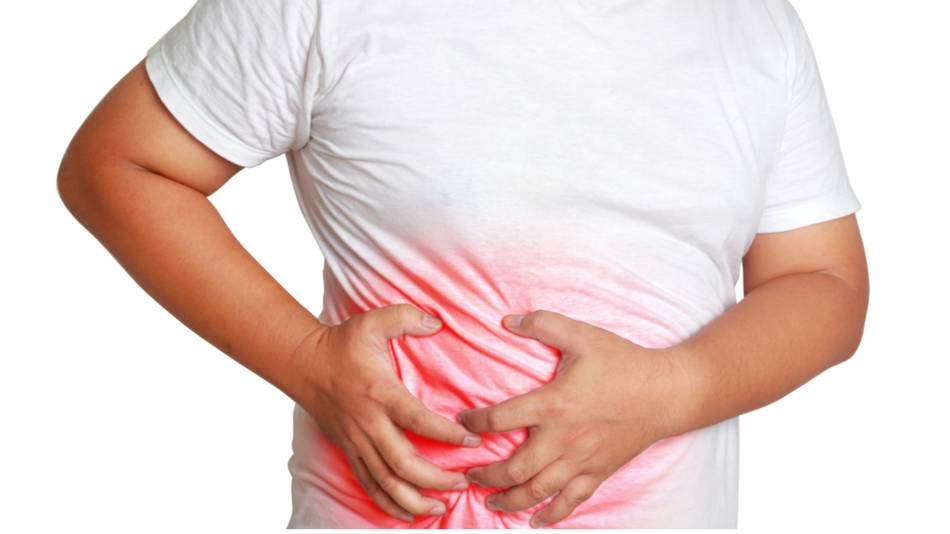
Fatty liver disease (steatosis) is a condition in which extra fat is stored in the liver. The cause of one type of fatty liver disease, known as metabolic dysfunction-associated steatotic liver disease or MASLD (previously called nonalcoholic fatty liver disease or NAFLD), is unknown, but factors such as obesity, diabetes, or metabolic syndrome can increase the risk. MASLD can be subdivided into steatotic liver disease (steatosis with no enlargement of liver cells) and metabolic dysfunction-associated steatohepatitis or MASH (steatosis with enlargement of liver cells, a condition previously called nonalcoholic steatohepatitis or NASH).
MASLD may not cause serious problems, but it can lead to liver damage in some people. Fortunately, the condition can often be prevented or reversed with lifestyle changes such as dieting, exercising, and losing weight. Certain supplements and foods have also been investigated, but there is not enough good evidence to recommend any of them.
More details about the evidence for each supplement mentioned below can be found using the links to the corresponding reviews.
Supplement ingredients investigated for fatty liver disease
Oxidative stress is considered to contribute to liver damage and disease progression in people with MASH. Due to its antioxidant effects, vitamin E has been investigated for treating MASH. Some experts say that taking 800 IU of vitamin E as alpha-tocopherol daily might reduce liver damage in non-diabetic adults with MASH. However, vitamin E supplementation is not recommended for men with prostate cancer or who are at high risk of prostate cancers, and there is concern that taking vitamin E in such high doses may have other serious adverse effects, including increasing the risk of death. Due to this potential risk and insufficient evidence of benefit, high-dose vitamin E is not recommended for treating MASH in people with diabetes, for MASLD without liver biopsy, or for MASH cirrhosis (Chalasani, Gastroenterology 2012). In addition, taking high dose vitamin E in its synthetic form (as dl-alpha-tocopheryl acetate) does not seem to be beneficial for reducing liver fat or improving levels of liver enzymes in people with MASLD (Alkhouri, Aliment Pharmacol Ther 2024).
Tocotrienols, another form of vitamin E, have been evaluated in people with MASLD, but research is limited and results are conflicting. More evidence is needed to confirm the benefit, if any, of this form of vitamin E for MASLD.
Higher dietary intake of vitamin C (>146 mg/day) has been associated with a lower risk of MASLD compared to lower intake. A preliminary study suggested that moderately high-dose vitamin C might help improve liver function in people with MASLD, but this has not been proven.
Although some small clinical studies suggested that fish oil might reduce liver fat or improve liver function in people with MASLD, evidence from larger studies has shown no benefit. Similarly, taking DHA (in its ethyl ester form), alone or along with vitamin E (as dl-alpha-tocopheryl acetate, a synthetic form), also does not appear to reduce liver fat or improve liver enzyme levels in people with MASLD (Alkhouri, Aliment Pharmacol Ther 2024). Nevertheless, experts recommend fish oil for lowering triglyceride levels among people with MASLD and hypertriglyceridemia that is not well controlled with statin therapy alone. Despite some concern based on results from one animal study, there is no good evidence that taking fish oil long-term increases the risk of MASLD or MASH in people, although taking fish oil containing large amounts of vitamin A (as is common in fish liver oils such as cod liver oil) can cause liver toxicity.
Taking the silymarin component of milk thistle in doses of 70 to 700 mg three times daily may improve some, but not all, markers of liver injury in people with MASH, but it has not been shown to reduce fatty liver itself or prevent fibrosis (scarring of the liver). Furthermore, studies have been small and short-term, so larger studies conducted over longer periods of time are needed to confirm its effectiveness.
There is preliminary evidence that curcumin supplementation can improve liver health and reduce liver fat in people with MASLD, as well as reduce inflammation in those with MASH. However, not all studies have shown a benefit, and larger, long-term studies are needed. Be aware that curcumin may adversely affect the liver in some people — especially women.
Getting enough choline from the diet can help prevent MASLD, especially in people with certain genetic types. However, it is unclear if choline supplements can help prevent or treat MASLD.
Low levels of vitamin D have been associated with MASLD. Taking vitamin D in weekly doses of 20,000 IU (equivalent to about 2,857 IU or about 71 mcg daily) has been shown to reduce liver fattiness in people with fatty liver and insufficient blood levels of vitamin D. A dose of 2,000 IU (50 mcg) of vitamin D daily improved markers of liver function in only some, but not all, adults with MASLD and lower levels of vitamin D.
Some animal studies suggest reishi may help protect the liver from alcohol and chemically-induced liver damage, or cirrhosis due to biliary dysfunction. Taking a specific reishi formula enriched with triterpenoids and polysaccharides reduced markers of liver damage and liver fat in people with mildly fatty livers. Rarely, however, consumption of reishi powder has been linked with cases of liver damage.
Preliminary research suggests that alpha-lipoic acid may improve insulin levels and hormones linked with appetite and weight loss in obese people with MASLD, but it does not appear to improve body weight or markers of liver injury, and there is mixed evidence about whether it reduces liver fat.
There is interest in SAMe (S-adenosyl-methionine) for MASLD based on speculation that altered levels of SAMe in the liver may be associated with progression from fatty liver to MASH and that supplementing with SAMe may slow this progression. While animal research showed promising results, there is no strong evidence from clinical research that SAMe is beneficial for people with MASLD.
Berberine did not decrease body weight, visceral fat, liver fat, or liver enzymes compared to placebo in a clinical trial among people with MASLD, although it modestly decreased LDL cholesterol.
Preliminary research shows that polyphenols extracted from bergamot juice, referred to as bergamot-derived polyphenolic fraction (BPF), may lower cholesterol and reduce liver steatosis when taken along with other ingredients, but it is unclear if bergamot alone is beneficial. BPF might reduce cholesterol by acting on an enzyme involved in cholesterol synthesis (similar to HMG-CoA reductase inhibitors or "statins") and may improve steatosis by activating AMPK, a protein that regulates liver fat (Parafati, Nutrients 2018). A study among 107 people with MASLD showed that taking a formula containing 650 mg of BPF (standardized to 38% polyphenols) twice daily for about four months reduced fasting blood sugar by 20 mg/dL, total cholesterol by about 26%, LDL-C by about 38%, and triglycerides by 31%; increased HDL-C by 29%; and improved liver enzyme levels and steatosis (as measured by ultrasound) compared to baseline. However, a lack of data reported for the control group makes it impossible to determine the importance of these findings (Gliozzi, Adv Biol Chem 2014). (See our article about supplements for lowering cholesterol for more details about the cholesterol-lowering effects of bergamot.)
Preliminary research suggests that spirulina might improve some biomarkers liver injury in MASLD but does not reduce liver fat.
Quercetin supplementation may modestly reduce liver fat content among people with MASLD, although it doesn't seem to improve biomarkers of liver function, including liver enzymes. More research is needed.
Propolis is a waxy substance produced by honey bees to construct and repair hives. Laboratory research has shown that polyphenols in propolis may reduce inflammation and oxidative stress — factors thought to contribute to MASLD (Kismet, Biomed Pharmacother 2017). A small study in Iran among 49 people (average age 42) diagnosed with mild to moderate MASLD who began a calorie-restricted diet and regular exercise program showed that 55.5% of those who took propolis tablets experienced at least a one-grade reduction in liver fat after 4 months compared to only 18.5% of those receiving placebo (microcrystalline cellulose), and this between-group difference was statistically significant. Liver stiffness was also modestly reduced for the propolis group compared to placebo. Supplementation did not improve blood levels of insulin or insulin resistance or decrease weight or fat mass compared to placebo. The propolis was taken as 250 mg of freeze-dried extract of propolis (standardized to 90 mg of gallic acid equivalent and 67 mg of flavonoids) twice daily before lunch and dinner for 4 months (Soleimani, Phytother Res 2021).
TUDCA, a supplement used for treating certain liver disorders, showed some benefit at an extremely high dose in a mouse model of MASLD. However, it is unknown if TUDCA is effective for MASLD in people or safe at a very high dosage.
Similarly, a phytocomplex derived from brown seaweeds has been shown to improve blood sugar control and reduce liver fat deposits and liver inflammation in rats with MASLD or MASH (Gabbia, Mar Drugs 2022). However, it is unknown if this is beneficial in people with these conditions. Be aware that brown seaweeds may increase the risk of bleeding and should be used with caution in combination with blood thinning medications.
Sulforaphane-rich broccoli sprout extract might benefit liver health due to its antioxidant and anti-inflammatory properties, but clinical findings are mixed. A small study in Japan among 52 men with fatty liver disease showed that taking a sulforaphane-rich broccoli sprout extract containing 30 mg of glucoraphanin, a precursor to sulforaphane, daily for 2 months reduced levels of ALT and gamma-GTP (elevated levels of which indicate liver injury) by 10.7% and 8.9%, respectively, compared to baseline and these improvements were statistically significant compared to placebo. However, there was no improvement in AST (another marker of liver injury). Total cholesterol levels decreased by 7 mg/dL in the extract group, but there were no significant changes in LDL cholesterol, HDL cholesterol, triglycerides, fasting blood sugar, HbA1c, BMI or waist circumference. Fat deposition, inflammation or fibrosis in the liver were not examined (Kikuchi, World J Gastroenterol 2015). Research suggests that about 1% to 40% (average 10%) of glucoraphanin is converted to sulforaphane after ingestion (Fahey, Nutrients 2019). On the other hand, a study in Iran among 32 women (average range 30 to 45) with MASLD showed that taking 1,000 mg of broccoli sprout extract daily for 8 weeks did not significantly improve body weight, BMI, waist circumference, liver enzyme levels or bilirubin levels compared to placebo. The amount of glucoraphanin or sulforaphane in the broccoli sprout extract used in this study was not reported (Ghorbanian, Plant Foods Hum Nutr 2026).
Although animal studies suggested a potential benefit (Jegatheesan, Clin Nutr 2016; Levy Br J Clin Pharmacol 2017), a placebo-controlled trial in people with MASLD did not find L-citrulline supplementation to decrease liver fat accumulation, cholesterol levels, or have other benefits (Tovar-Villegas, Gastroenterol Insights 2024).
Taking C15:0 (pentadecanoic acid) and following a Mediterranean diet was shown to reduce LDL cholesterol better than following a Mediterranean diet alone in people with fatty liver disease, but it did not induce greater reductions in liver fat, body weight, or other measures of cholesterol or triglyceride levels compared to the Mediterranean diet alone.
Taking a prebiotic supplement containing oligofructose-enriched inulin did not significantly reduce liver fat or liver injury, nor did it significantly improve cholesterol levels or most measures of body composition, among people with fatty liver disease.
Supplement brands promoted for fatty liver disease
Glucevia (by Naturex) is an extract derived from the seeds and fruit of the common ash tree (Fraxinus excelsior). It has been speculated that Glucevia may benefit people with MASLD by helping control blood sugar levels. A small study among 17 people who were overweight or obese showed that taking three capsules of Glucevia providing 1 gram of extract daily for three weeks led to smaller increases in blood sugar after eating compared to baseline. These changes were significant compared to the placebo group, which showed no significant changes in these outcomes. However, Glucevia did not improve most other measures compared to placebo, including cholesterol or triglycerides, markers of liver injury, insulin resistance, or body composition (Zulet, Phytomedicine 2014). We are unaware of strong evidence that Glucevia is beneficial for people with fatty liver disease.
Dose For Your Liver (by Daily Dose) is a supplement marketed to "cleanse your liver of unwanted elements" and provide support to help the liver function properly in people with excess liver fat. However, there do not appear to be any studies evaluating Dose For Your Liver for fatty liver disease, and the ingredients in Dose For Your Liver that might have liver benefits are not provided in amounts shown to be beneficial in studies. Two clinical studies that assessed Dose For Your Liver focused on people without fatty liver disease. Results of one study was published only on the manufacturer's website and showed that people who took Dose For Your Liver for 8 weeks experienced 4-to 4.5-fold greater reductions in levels of liver enzymes (AST and ALT) compared to placebo — although the starting levels were not elevated. Similarly, the second study, which was slightly larger and conducted over 6 months among 130 healthy adults, found that, compared to placebo, a greater percentage of those who took 60 mL (about 2 fl oz) of Dose For Your Liver twice daily showed slight reductions in liver enzymes ALT (61.5% showed reductions vs 13.8%), AST (76.9% vs 21.5%), and GGT (60.0% vs 24.6%), with no improvement in the liver enzyme ALP. There were no significant differences in the percentage of participants who showed improvements in total cholesterol, low-density lipoprotein ("bad") cholesterol, immunoglobulins (immune proteins), C-reactive protein (a liver enzyme linked with inflammation or infection), or ferritin (a protein that stores iron), and there were no significant improvements in other outcomes including triglycerides, HDL ("good") cholesterol, or kidney function tests (Patel, Front Nutr 2026). A 2-oz serving of Dose For Your Liver provides 435 mg of a proprietary blend of turmeric extract (300 mg), dandelion powder (30 mg), milk thistle extract (70 mg), and organic ginger powder (30 mg). Although, curcumin from turmeric has shown benefit for fatty liver disease in some studies (as noted above), not all studies agree and evidence of benefit has been shown with curcumin doses of 500 mg or more, which is greater than the 300 mg in Dose For Your Liver. Similarly, milk thistle might improve markers of liver enzymes, but there does not appear to be evidence that it reduces liver fat, and doses used in clinical studies (210 to 2,100 mg daily) are larger than the 70 mg in Dose For Your Liver. Dandelion has shown liver benefits in animal studies, but there do not appear to be any published studies evaluating dandelion in people. Ginger has shown only mixed evidence of benefit for improving liver enzymes levels in people with fatty liver disease, and it does not appear to improve clinical measures such as cholesterol levels or body mass index (Zhou, Afr Health Sci 2023).
Foods investigated for fatty liver disease
Eating one cup of probiotic yogurt per day has been found to improve markers of liver injury in people with MASLD. Reductions in LDL and total cholesterol have also been found, but not improvements in HDL cholesterol or triglyceride levels. Probiotic supplements have also shown some benefit for markers of liver function in people with MASLD, but since the available studies have used a variety of probiotic strains and combinations, it is too soon to know which, if any, probiotic supplement or food has greatest benefit for MASLD.
Consuming 200 grams of raw tomato (about 1 large tomato) plus 50 grams (about 1.8 oz) of tomato sauce daily for 6 weeks reduced the amount of fat in the liver of adults with MASLD by about 11%, which was somewhat more than the 6% reduction among those not eating tomatoes and a statistically significant difference. However, there was no impact on liver stiffness or scarring, body composition, body weight, or biomarkers of liver function (Tatoli, Nutrients 2026).
People who consume extra virgin olive oil as part of the Mediterranean diet may have a lower risk of MASLD compared to those who consume nuts as part of the Mediterranean diet. It has been suggested that olive oil may reduce the risk of MASLD by improving insulin sensitivity. However, it is unclear if extra virgin olive oil alone can reduce liver fat and improve liver function in people with MASLD.
Coffee has been of interest for fatty liver disease due to its anti-inflammatory, antioxidant, insulin sensitizing, and blood pressure-lowering effects. Numerous observational studies suggest that coffee intake is associated with a reduced risk of MASLD and liver fibrosis; however, controlled clinical trials are needed to show a cause-and-effect relationship. For example, an observational study in South Korea among 67,164 adults showed that those who drank more than three cups of coffee daily had a lower risk of MASLD on some measures (although not a lower risk of hepatic steatosis) (Tan, Mol Nutr Food Res 2021). Similarly, an analysis of data from seven observational studies among more than 70,000 people showed that those who drank coffee had a 23% lower risk of MASLD (determined by ultrasound or by measuring change in liver enzymes) than those who did not drink coffee. Also, analysis of data from four observational studies among 1,338 people with MASLD found that those who drank coffee had a 32% lower risk of liver fibrosis compared to those who did not drink coffee (Hayat, Ann Hepatol 2021).
Diets for Fatty Liver Disease
As noted above, dieting is one strategy that can often prevent or reverse MASLD. According to experts at the NIH, people with fatty liver disease should select a diet that limits fat intake, replaces saturated and trans fats with unsaturated fats (such as omega-3 fatty acids from fish), includes more low-glycemic foods (including fruits vegetables, and whole grains), minimizes alcohol use and avoids foods and drinks containing large amounts of simple sugars such as fructose (which is found in soft drinks and juices) or sucrose (i.e., table sugar, which is converted to glucose and fructose). Although all of the diets discussed below appear to be beneficial for weight loss, which is a target of MASLD treatment, the Mediterranean diet has strongest evidence for improving markers of liver injury in people with fatty liver disease.
Several studies have shown that adherence to a Mediterranean diet, which consists of eating cereals, fresh fruits and vegetables, dairy products, olive oil and nuts, some red wine, moderate amounts of fish and white meats, and limited intake of red and processed meats, can reduce liver fat content and liver inflammation in people with MASH (Pugliese, Eur J Clin Invest 2021). However, it is uncertain if the Mediterranean diet has significantly greater benefit than other healthful diets such as a low-fat diet. One study among people with MASLD showed that following a Mediterranean diet for 12 weeks reduced liver inflammation and liver fat content, and improved markers of liver injury, similar to, but not greater than a low-fat diet that provided the same number of calories. Interestingly, adherence to the Mediterranean diet was greater than to the low-fat diet (Properzi, Hepatology 2018). Another study among obese people with MASLD showed that following either standard nutritional counseling advice or a Mediterranean diet for 18 months decreased MASLD prevalence, with no significant difference between the two groups. Both groups had participated in increased physical activity (Meir, Gut 2021).
Since carbohydrate intake contributes to the build-up of liver fat, there is interest in the ketogenic diet — a popular low-carbohydrate diet — for improving fatty liver disease. Although some small, low-quality studies have shown that following the ketogenic diet short-term may reduce weight, liver fat content, and liver inflammation, higher quality studies are needed to confirm these results (Pugliese, Eur J Clin Invest 2021).
The Dietary Approach to Stop Hypertension, or DASH diet, consists of eating low glycemic index foods (i.e., those with little impact on blood sugar) that are not energy-dense (i.e., not high in calories). A study in Iran among 60 people with MASLD who were overweight or obese showed that following a DASH diet for 8 weeks reduced body weight, liver inflammation and markers of liver injury compared to a control diet that consisted of similar carbohydrate, protein and fat content (Zade, Liver Int 2016). Larger, higher quality studies are needed to confirm these results.
Time-restricted feeding (i.e., eating that is restricted to a time window of 8 hours or less per day) and other forms of intermittent fasting (i.e., fasting for various periods of time other than normal overnight fasting) have been shown to improve body weight and blood levels of cholesterol, which are important goals for people with MASLD. Although one study among people with MASLD found that following either intermittent fasting or time-restricted feeding significantly reduced body weight after 4 weeks and improved total cholesterol and triglyceride levels after 12 weeks compared to a control group, there was no between-group differences in liver stiffness, glucose or insulin levels, or blood pressure (Cai, BMC Gastroenterol 2019).
The Bottom Line:
Healthful diets, such as the Mediterranean diet and the DASH diet, as well as physical exercise may be beneficial in people with fatty liver disease.
There is not enough evidence to recommend specific foods or supplements for patients with fatty liver disease, and some of the supplements that have shown promise have also been associated with cases of liver injury.
Getting sufficient choline from the diet may help prevent MASLD, but it's unclear if taking supplements helps.
Join the conversation
Loading Comments…
Submit your comment
This feature is restricted to active members.
Join now to add comments and get all member benefits, including over 1,400 product reviews.
Join NowAlready a member? Sign in here.
Agree to Comment Terms
Please abide by the following:
- If you make a statement of fact, such as whether a type of treatment does or does not work, state your basis -- such as personal experience or a published study.
- If you make a positive or negative comment about a product, note whether or not you have a financial interest in the product or in a competing product.
- Please be respectful in your tone.
- Please do not submit any type of HTML markup or scripting as it will not be accepted, nor will posts that exceed 2,500 characters.
For your privacy, only your first name (from your account) followed by a random number will appear with your comment. Your last name and email address will not be displayed.
Your comment has been submitted
We will review your comment before it is posted.
Join today to unlock all member benefits including full access to all CL Answers and over 1,400 product reviews.
Join NowAlready a member? Sign In Here.
Join now at www.consumerlab.com/join/
Join over 300,000 people on our weekly email list.
Related Reviews (11)



Related CL Answers (3)

Join over 100,000 members and access 1,400+ product reviews

Find the best products with instant access to our latest tests & reviews of over 1,400 health products.
Save money by finding high-quality products at lower cost.
Stay safe with the latest clinical findings, warnings, and expert answers.
Access our weekly newsletter.