



Save to favorites
This feature is restricted to active members.
Join now to save favorites and get all member benefits, including over 1,400 product reviews.
Join NowAlready a member? Sign in here.

Our Members Asked:
Which supplements help with arthritis?


Answer:
There are a number of supplements that may modestly reduce pain or improve other symptoms of osteoarthritis (inflammation caused by damage or "wearing away" of cartilage in joints) or rheumatoid arthritis (an autoimmune disease that causes joint pain, stiffness and inflammation). Use the links below for more information from our Product Reviews, including our Joint Health Supplements Review (covering glucosamine, chondroitin, MSM, and boswellia), Collagen Supplements Review (including UC-II and Vital 3), and Turmeric Supplements Review (including products such as Zyflamend).
For osteoarthritis
Might help
SAMe might reduce pain and disability from osteoarthritis and associated joint pain, stiffness, and inflammation. However, not all research agrees.
Ginger may modestly reduce pain and disability from osteoarthritis, although some research has shown no benefit.
Several small studies suggest collagen hydrolysate may reduce pain associated with osteoarthritis. Some, but not all studies, have shown a branded form of undenatured type II collagen, UC-II, to improve knee stiffness and/or pain. Similarly, eggshell membrane, which naturally contains type I collagen, elastin, and small amounts of glucosamine and chondroitin, also seems to modestly reduce pain and stiffness, and improve knee function, among people with osteoarthritis, although it does not seem to improve flexion or attenuate reduction in joint spacing.
Boswellia has been associated with significant pain reduction and improved physical function in people with knee osteoarthritis. However, a study in which a combined supplement containing Boswellia extract along with curcumin, MSM and pine bark extract found no benefit for moderate to severe hand osteoarthritis.
There is evidence that ashwagandha extract can reduce pain, stiffness and disability in people with knee osteoarthritis.
Devil's claw (Harpagophytum procumbens) is a South African plant traditionally used for treating pain. It contains a compound, harpagoside, that has shown anti-inflammatory effects in laboratory studies (Inaba, J Nat Med 2010). Placebo-controlled studies assessing devil's claw for osteoarthritis (in doses ranging from 960 to 2,400 mg daily for 3 to 20 weeks) suggest it may provide slight to moderate reduction in the severity and intensity of minor osteoarthritis pain (HMPC, 2016; Brien, J Altern Complement Med 2006). A clinical study among people with knee and hip osteoarthritis found that taking 2,610 mg of devil's claw powder (standardized to 57 to 87 mg of harpagoside) daily for 4 months reduced subjective pain similarly to taking a non-steroidal anti-inflammatory drug (diacerein,100 mg), but the study lacked a placebo control, needed to prove a benefit (Chantre, Phytomedicine 2000). Taking devil's claw containing 50 to 100 mg of harpagoside daily has also shown short-term, slight to moderate benefit in people with chronic low-back pain, although supporting studies have had shortcomings (Oltean, Cochrane Database Syst Rev 2014). Be aware that devil's claw can cause side effects including diarrhea, bloating, flatulence, headache, migraines, tiredness, skin rash, and increased perspiration (Farpour, Evid Based Complement Alternat Med 2021; Brien, J Altern Complement Med 2006; Chantre, Phytomedicine 2000). A case of high blood pressure was also reported in a woman taking 500 mg of devil’s claw daily for 2 weeks and who previously had normal blood pressure (Cuspidi, J Clin Hypertens (Greenwich). 2015).
A branded enzyme supplement containing bromelain, trypsin and other ingredients, Wobenzym, was found in one clinical study to reduce pain from knee osteoarthritis.
Taking the prebiotic inulin was shown in one study to modestly reduce pain in people with knee osteoarthritis, but not squatting or walking ability — and gastrointestinal side effects (flatulence and bloating) were common (Kouraki, Nutrients 2026).
There is mixed evidence that the omega-3 fatty acids EPA + DHA from green-lipped mussel (such as in Omega XL) may be helpful, although, as discussed below, taking fish oil, in general, does not seem to help.
There is mixed evidence for white willow for osteoarthritis (Schmid, Phytother Res 2001; Biegert, J Rheumatol 2004).
Minor improvement in knee osteoarthritis has been reported after several months of taking krill oil or krill oil in combination with astaxanthin and hyaluronic acid (Hill, Nutrients 2023).
Higher fiber intake from the diet is related to a lower risk of suffering symptoms (i.e., pain, aching, stiffness) from knee osteoarthritis, although not with improvements evident on radiographs. Risk of symptoms was 30% to 61% lower among people consuming about 22 to 27 grams of fiber daily compared to those consuming about 9 to 14 grams (Dai, BMJ 2017).
Getting adequate amounts of magnesium from the diet has been linked with lower risk and severity of knee osteoarthritis, but it is not known if taking magnesium has this benefit.
Supplementing with black seed oil may slightly reduce pain and inflammation in people with knee osteoarthritis. Applying black seed oil topically doesn't seem to provide much benefit.
Broccoli contains compounds (glucoraphanin and sulforaphane) shown to have anti-inflammatory effects in animal and laboratory studies and which may have a limited effect on knee pain in people with osteoarthritis (Davidson, Arthritis Rheum 2013; Kong Arthritis Rheum 2010). A preliminary study among 23 men and women (average age 66) with moderate to severe knee osteoarthritis showed that those who consumed 1¼ cups of broccoli soup high in glucoraphanin (20 micromoles of glucoraphanin ~ roughly equivalent to the amount in 227 grams or 8 ounces of broccoli) four times per week for three months had a small but clinically meaningful decrease of 4.2 points in self-reported knee pain on a scale of 0 to 20 compared to a 1.9 point decrease among those given a placebo soup. However, the broccoli soup did not decrease use of pain medication (such as ibuprofen) or knee stiffness, or improve knee function, compared to placebo (Davidson, medRxiv 2024 -- preprint). There do not appear to be studies on the effects of glucoraphanin or broccoli extract supplements on osteoarthritis in people.
Might not help
Avocado and soy unsaponifiables (ASUs) (fat-soluble compounds extracted from avocado and soy) have been promoted to reduce joint pain and stiffness in people with knee osteoarthritis, but the evidence is mixed. ASUs do not seem to reduce pain in people with hip osteoarthritis.
Evidence supporting the benefit of hyaluronic acid for osteoarthritis is limited and mixed.
Research suggests that vitamin D supplementation does not benefit osteoarthritis of the knee in people not deficient in vitamin D, but may help those who are deficient in vitamin D, particularly when taken for more than one year.
Although tart cherry juice has been found to reduce markers of inflammation, it does not appear to reduce pain in people with osteoarthritis.
Glucosamine and chondroitin are popular supplements for joint health and some early clinical research suggested a benefit, but more recent and larger clinical studies have tended to show little or no benefit for osteoarthritis of the knee.
Taking 4 grams of modified citrus pectin (PectaSol-C, by EcoNugenics, Inc) did not reduce blood markers of inflammation or knee pain, or improve knee function compared to placebo when taken twice daily for 12 weeks in a clinical trial among 43 men and women (average age 64) with mild to moderate knee osteoarthritis (Andrews, Contemp Clin Trials Commun 2020). (Be aware that MPC may cause diarrhea in some people).
Fish oil, including fish oil enriched in specialized pro-resolving mediators, or SPMs, does not appear to reduce pain or stiffness or improve joint function, among people with osteoarthritis (Möller, J Transl Med 2023; Möller, Prostaglandins Leukot Essent Fatty Acids 2026; Senftleber, Nutrients 2017; Boe, Am J Orthop (Belle Mead NJ) 2015).
MSM is a common ingredient in joint pain supplements, although its effectiveness has not been well established.
Vitamin B-5 does not appear to be beneficial for osteoarthritis.
For rheumatoid arthritis
Might help
Omega-3 fatty acids EPA + DHA from fish oil may help reduce the risk of developing rheumatoid arthritis, or treat symptoms, especially in the early stages of the disease, but do not appear to slow the progression of the disease.
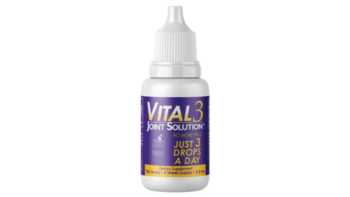
A branded liquid form of undenatured type II collagen, Vital 3, may modestly improve symptoms of rheumatoid arthritis when taken along with standard treatments.
Cinnamon may help reduce pain and the number of swollen and tender joints in people with rheumatoid arthritis who are taking disease-modifying antirheumatic drugs.
One small study suggests that garlic supplementation may reduce the number of tender joints, but not the number of swollen joints, in women with rheumatoid arthritis.
There is limited evidence vitamin E may reduce discomfort caused by rheumatoid arthritis.
High-dose potassium (about 5 grams or more daily) may modestly reduce joint pain in people with rheumatoid arthritis.
Vitamin B-5 may reduce morning stiffness, disability and pain.
Getting adequate (but not excessive) amounts of magnesium from the diet has been linked with lower risk of rheumatoid arthritis, but it is not known if taking magnesium as a supplement is beneficial.
A study in Iran among 45 people (average age 47) with moderate to severe rheumatoid arthritis showed that adding propolis (a resinous material made by bees and sometimes referred to as "bee glue") and bee pollen to standard drug treatment reduced some markers of inflammation more than standard treatment alone. The supplement was given as 1,000 mg of "Iranian propolis" consisting of 340 mg of propolis extract (standardized to 200 mg of polyphenolic compounds and 134 mg of flavonoids) and 660 mg of bee pollen and oats daily for 12 weeks. Standard medication for rheumatoid arthritis was methotrexate, hydroxychloroquine, and prednisolone. Adding the propolis and bee pollen significantly reduced levels of high-sensitivity C-reactive protein (a marker of inflammation) by 0.89 mg/L and levels of MCP-1 (a protein that may worsen joint inflammation) by 55.30 pg/mL compared to a reduction of only 0.15 mg/L and 18.45 pg/mL in the group receiving only medical therapy with a placebo (consisting of corn starch). People in the propolis/bee pollen group also showed significant reductions in total cholesterol (-19.85 mg/dL), low-density lipoprotein (LDL or "bad") cholesterol (-21.12 mg/dL), and triglycerides (-6 mg/dL), and these reductions were significant compared to the placebo group, but there was no significant reduction in systolic or diastolic blood pressure (Maddahi, Phytother Res 2023). A weakness of the study, however, is that it did not report changes in erythrocyte sedimentation rate (ESR — a common blood test for rheumatoid arthritis) or in patient-reported arthritis symptoms. More research is needed to confirm the possible benefit of propolis for this condition.
Might not help
In women, low levels of vitamin D are associated with a higher risk developing rheumatoid arthritis, although it's not clear if supplementing with vitamin D in people who are not deficient has any benefit.
Similarly, low selenium levels have been associated with the development of rheumatoid arthritis — although selenium supplements don't seem to help rheumatoid arthritis once it has developed.
Drinking coffee, particularly in moderation, does not seem to be linked with the risk of rheumatoid arthritis. However, if you are taking the immunosuppressive drug methotrexate for rheumatoid arthritis, be aware that large amounts of caffeinated coffee might reduce the effectiveness of methotrexate.
For osteoarthritis and rheumatoid arthritis
Might help
Supplements that may be helpful for both types of arthritis include curcumin, cat's claw and rose hips (a source of vitamin C and bioflavonoids) (Moura, Phytother Res 2017; Christensen, Osteoarthritis Cartilage 2008).
Might not help
Olive oil has an anti-inflammatory effect; however, it would be difficult to consume enough olive oil to provide relief comparable to a medication such as ibuprofen.
For unspecified joint pain
Might help
Palmitoylethanolamide (PEA) has been shown to moderately reduce symptoms in people with joint pain when used short-term, but it is unknown whether PEA is beneficial when used long-term.
The supplement Zyflamend (by New Chapter) is promoted for pain relief and joint support. Although laboratory research suggests it might help reduce inflammation, Zyflamend does not appear to have been evaluated in any clinical trials for arthritis or other types of joint pain. A laboratory study showed that Zyflamend can block the activity of COX-2, an enzyme involved in inflammation. This enzyme is also targeted by non-steroidal anti-inflammatory drugs (NSAIDs) such as ibuprofen and naproxen. However, the laboratory study also showed that, like nonselective NSAIDs, Zyflamend inhibited the activity of COX-1, an enzyme involved in protecting the lining of the stomach and intestines and contributing to blood clotting (Bemis, Nutr Cancer 2005). Zyflamend contains 10 botanical extracts (rosemary leaf, turmeric, ginger, holy basil leaf, green tea leaf, hu zhang (Japanese knotweed) root/rhizome, Chinese goldthread root/rhizome, barberry root, oregano leaf, and Chinese skullcap root). Zyflamend has been reported to cause gastrointestinal side effects such as heartburn, bad taste in the mouth, and diarrhea (Capodice, J Soc Integr Oncol 2009). In 2025, ConsumerLab.com purchased and tested Zyflamend for heavy metals, such as lead, and amounts of turmeric-related curcuminoid compounds, finding only a relatively small amount of these turmeric compounds per daily serving (for results see the Turmeric Supplements Review).
Might not help
Cucumber extract tended to show better improvements in joint pain and stiffness than placebo in 80 healthy adults (average age 50) with mild to moderate joint pain (without diagnosed arthritis), but the improvements were not statistically significant. Participants took 20 mg of cucumber extract (Q-actin by Gateway Health Alliances) standardized to 1% idoBR1, a sugar compound, or placebo, once daily 30 minutes before bedtime for 8 weeks (Hausenblas, Cureus 2025).
Caution with some joint pain supplements
Certain supplements advertised as "natural" arthritis pain relievers, including the products Artri Ajo King, Artri King, Kuka Flex Forte, Reumo Flex, and RM Flex, contain hidden prescription drugs such as dexamethasone, diclofenac, and methocarbamol (see warning for details). Despite FDA warnings that such products should not be purchased or used, an analysis of health records of patients at a California primary care clinic conducted between April 2024 and March 2025 found that 14 people had reported taking Artri Ajo King, Artri King, or RM Flex for arthritis pain. Among 12 of the 14 individuals who could be interviewed, all reported experiencing pain relief, but 75% also reported one or more side effect or clinical complication such as weight gain or increased appetite, dizziness, weakness, leg swelling, mood changes, non-healing wounds, adrenal insufficiency, and/or new or worsening high blood pressure, gastroesophageal reflux disease (GERD), duodenal ulcer, and/or diabetes. Most of these individuals had started using these supplements based on recommendations from friends or family, many had been taking them for years before disclosing use to their physician, and none were aware that the products contained undisclosed prescription medications despite the FDA warnings and recall of these products (Nguyen, Cureus 2025). Other joint supplements found to contain prescription drugs have included Unavy Ácido HIALURÓNICO and Umovy Ácido HIALURÓNICO distributed by UMARY USA (see warning for details).
Join the conversation
Loading Comments…
Submit your comment
This feature is restricted to active members.
Join now to add comments and get all member benefits, including over 1,400 product reviews.
Join NowAlready a member? Sign in here.
Agree to Comment Terms
Please abide by the following:
- If you make a statement of fact, such as whether a type of treatment does or does not work, state your basis -- such as personal experience or a published study.
- If you make a positive or negative comment about a product, note whether or not you have a financial interest in the product or in a competing product.
- Please be respectful in your tone.
- Please do not submit any type of HTML markup or scripting as it will not be accepted, nor will posts that exceed 2,500 characters.
For your privacy, only your first name (from your account) followed by a random number will appear with your comment. Your last name and email address will not be displayed.
Your comment has been submitted
We will review your comment before it is posted.
Join today to unlock all member benefits including full access to all CL Answers and over 1,400 product reviews.
Join NowAlready a member? Sign In Here.
Join now at www.consumerlab.com/join/
Join over 300,000 people on our weekly email list.
Related Reviews (4)

Related CL Answers (19)










Join over 100,000 members and access 1,400+ product reviews

Find the best products with instant access to our latest tests & reviews of over 1,400 health products.
Save money by finding high-quality products at lower cost.
Stay safe with the latest clinical findings, warnings, and expert answers.
Access our weekly newsletter.