




Quick Summary
Which fish, krill, and algal oils are the best?
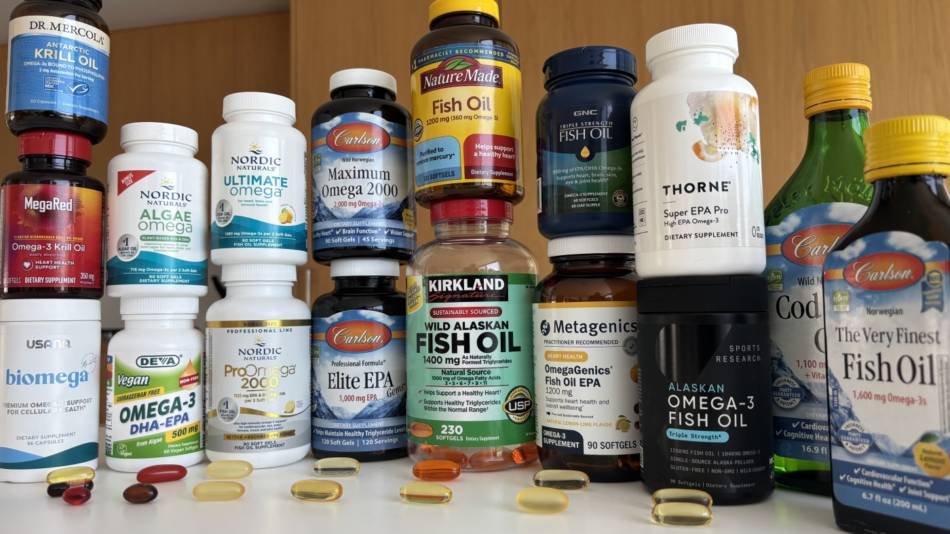
ConsumerLab purchased and lab-tested 17 popular omega-3 supplements for EPA, DHA, other fatty acids, heavy metals, and freshness. Overall, quality was generally high, but one product failed freshness testing, and freshness could not be accurately measured in some products because of added ingredients. Costs for 500 mg of EPA plus DHA ranged from 16 to 56 cents for fish oil, 48 to 61 cents for algal oil, and $1.38 to $2.60 for krill oil (see What CL Found). Based on quality and value, we selected Top Picks for fish oil softgels, enteric-coated capsules, and bottled liquids, as well as for krill oil and vegetarian algal oil (from algae). We also identified products highest in DPA (the "other omega-3") and omega-7 fatty acids, and show omega-3 options for prenatal supplements, for children, and pets. 
Brands tested include Carlson, DEVA, Dr. Mercola, GNC, Kirkland, MegaRed, Metagenics, Nature Made, Nordic Naturals, Sports Research, Thorne, and USANA, including selected products such as Carlson’s Maximum Omega 2000 mg, Elite EPA Gems, The Very Finest Fish Oil, and Cod Liver Oil, as well as Nordic Naturals’ ProOmega 2000, Ultimate Omega, and Algae Omega.
What are the benefits of fish oil?
Taking a supplement with EPA and DHA from fish oil (or another marine source, such as krill oil or algae) offers a wide range of potential benefits for mental health, treating inflammatory disease, maintaining muscle, and even cancer prevention (see What It Does). In people with high triglyceride levels (which contributes to high cholesterol), high-dose, high-concentration fish oil may lower triglycerides.
However, eating fish at least twice each week may do you more good than taking a fish oil supplement for other types of cardiovascular benefit, for cognitive and memory benefits, or for reducing the risk of age-related macular degeneration (AMD) or of Alzheimer's disease. (If you do eat fish, be aware that some types can be high in mercury -- see Getting EPA and DHA from Food and our Tuna, Salmon, Sardines & Herring Review).
How much fish oil should you take?
Different amounts of EPA and DHA have been used for different purposes. A general daily dose is about 300 to 500 mg of EPA and DHA, while some treatments (such as for high triglycerides) involve doses as high as 4,000 mg per day (see What to Consider When Using - Dosage). Focus on the amounts of EPA and DHA in a product rather than the amount of total oil, since the concentration of EPA and DHA in oils ranges from about 33% to 85% and, for some uses, you may want more EPA or more DHA (see the comparison graph and the Results table for amounts of EPA and DHA found, as well as amounts of DPA, and omega-7 fatty acids).
When is the best time to take fish oil?
Taking fish oil with a meal containing other fats may improve absorption of omega-3s. If you need a high daily dose, dividing the dose over the course of the day may reduce any unpleasant aftertaste and "fishy burps." Enteric-coated capsules can also reduce these effects but may possibly reduce absorption if the coating doesn't release the oil in a timely fashion (CL tested enteric-coated fish oil supplements to ensure they properly release their ingredients).
What is the best form of fish oil?
Fish oil in supplements is generally first processed to purify it. This often involves modifying its chemical form. While all forms can help raise EPA and DHA levels and do so equally well if taken with a high-fat meal, if not taken with a high-fat meal the "re-esterified triglyceride" (or just "triglyceride") form may be the best absorbed, with up to 76% greater absorption than from the more common "ethyl ester" form (see ConsumerTips -- Forms of Fish Oil). You can check the form of each product in the 4th column of the Results table.
If you need a high dose, it may be more convenient to pick a product with a higher concentration (see the 4th column of the Results table) so that you can take fewer and/or smaller pills or other units.
How should fish oil be stored?
Store fish oil away from heat and light; refrigerate it after opening. Freezing is fine. When buying online, order during cold or mild weather (see Keep It Fresh).
Which fish oil supplements are most like prescription omega-3 drugs?
Some supplements have similarly high amounts and concentrations of EPA and DHA as found in some prescription omega-3 drugs. See how fish oil supplements compare to prescription omega-3 drugs.
Is fish oil safe? What are fish oil's side effects?
Although generally safe, high amounts of EPA and DHA may suppress the immune system and increase the risk of abnormal heart rhythm (atrial fibrillation). It's best to limit daily intake of EPA and DHA from supplements to no more than 2 grams, unless medically indicated. Fish oil may also thin the blood and slightly lower blood pressure. See Concerns and Cautions for more information.